Key Notes
- Alibaba closed 6.76% lower at HK$93.80, while Tencent fell 2.64% to HK$398.80 on November 12.
- Commerce is reportedly preparing tighter controls on Chinese AI firms’ remote access to advanced chips overseas.
- Chinese AI developers are seeking overseas computing capacity as they prepare for possible US restrictions.
Alibaba (HKEX: 9988) fell 6.76% to HK$93.80 in Hong Kong on Thursday, while Tencent (HKEX: 700) lost 2.64% to HK$398.80 as investors assessed the prospect of tighter US restrictions on access to advanced AI chips overseas.
The Commerce Department is finalizing restrictions on Chinese AI firms’ remote access to advanced chips overseas, The Information reported.
The share-price figures reflect the November 12 close, according to Yahoo Finance’s quotes for Alibaba and Tencent.
Overseas Computing Capacity Comes Under Scrutiny
Chinese AI companies have been trying to secure more computing capacity outside the country as they brace for tighter US controls, Reuters reported on Thursday, citing three people familiar with the matter.
A large Chinese cloud provider has discussed reserving overseas capacity powered by Nvidia processors, while other companies have approached data-center operators about securing access. The report did not identify the provider. Smaller AI laboratories have also considered renting capacity in Southeast Asia.
Renting computing power lets developers use advanced processors without shipping the hardware into China. A broader restriction on remote access could therefore affect a route used to train and run AI models, beyond the chip shipments already covered by export controls.
Reuters reported that companies also fear greater momentum behind the Remote Access Security Act. That separate bill would give Commerce authority to regulate remote, cloud-based access to restricted technology. It passed the House in January and awaits Senate action.
US Guidance Already Focuses on End Users
Remote access is already a concern in the Bureau of Industry and Security’s May 2025 guidance. The agency identified potential warning signs involving cloud providers that cannot confirm whether their users are headquartered in China.
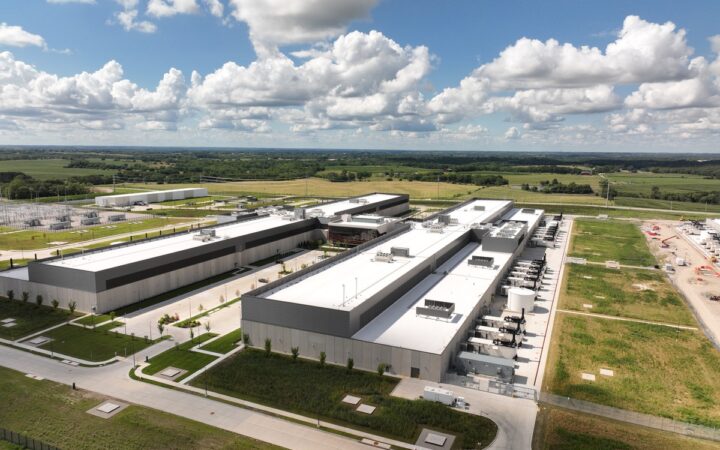
The guidance encourages suppliers to examine customers’ ownership, the intended end users and the locations where equipment will operate. It also flags data centers unable to demonstrate that they have enough power, cooling or physical space for the advanced chips they are buying.
Alibaba Pursues Its Own Chip Business
Alibaba is seeking a separate source of capital for its semiconductor operations through the proposed T-Head listing in Hong Kong. In its November 10 filing, the company argued that a spin-off would let investors value the chip business independently and give it direct access to equity and debt financing.