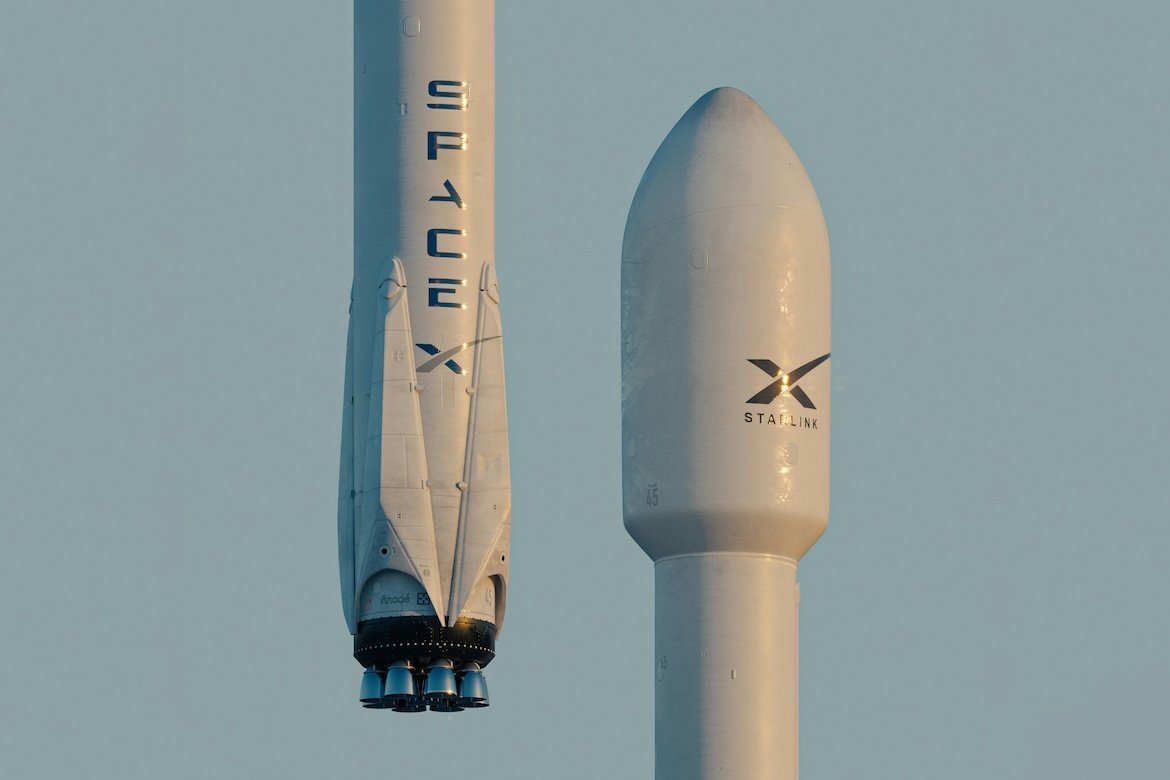

SpaceX Prepares IPO Filing That Could Value Company Above $1.5 Trillion

SpaceX is preparing to file for an initial public offering as soon as this week, with reports suggesting a potential raise of over $75 billion. The listing could become one of the largest IPOs in history.

By Sophia Reynolds | Edited by Oleg Petrenko Published:
SpaceX Prepares IPO Filing That Could Value Company Above $1.5 Trillion
SpaceX is preparing to file for an initial public offering as early as this week, with reports indicating it could raise more than $75 billion. The listing has the potential to become one of the largest IPOs in history. Photo: Anirudh / Unsplash

SpaceX is preparing to file for an initial public offering as soon as this week, according to reports, in a move that could mark one of the most significant listings in financial market history.

The company is expected to seek more than $75 billion in fresh capital, with its overall valuation potentially exceeding $1.5 trillion, positioning it among the most valuable companies globally.

The anticipated IPO reflects growing investor interest in space infrastructure, satellite networks, and advanced aerospace technologies.

A Landmark IPO in the Making

The planned listing would represent a major milestone for the private space industry, which has seen rapid expansion driven by satellite communications, defense contracts, and commercial space launches.

SpaceX has built a dominant position in the launch market with its reusable rocket technology, while also expanding into satellite internet through its Starlink network. The company’s ability to generate recurring revenue from satellite services has strengthened its financial profile and made it more attractive to public market investors.

As previously covered, demand for exposure to high-growth technology sectors including space infrastructure and AI-related systems has fueled interest in large-scale IPOs. The potential size of the offering suggests strong institutional demand and could make it one of the largest capital raises ever seen in public markets.

Implications for Investors and Markets

A successful IPO could reshape the landscape for both the aerospace and technology sectors, offering investors direct access to one of the most closely watched private companies.

The listing may also trigger a broader wave of public offerings from companies operating in adjacent industries such as satellite communications, defense technology, and space-based data services.

However, analysts caution that valuation expectations remain high, and market conditions will play a critical role in determining investor appetite. Volatility in global markets, interest rate expectations, and geopolitical risks could influence the timing and pricing of the offering.

For now, SpaceX’s IPO plans underscore a broader trend: capital markets are increasingly being shaped by companies operating at the intersection of advanced technology, infrastructure, and global connectivity.

If completed, the offering could set a new benchmark for IPO size and valuation in the modern era.


OpenAI Shuts Down Sora Video Model Amid Soaring AI Costs

OpenAI is shutting down its Sora video generation model, citing undisclosed reasons. Reports suggest the product may have been costing up to $15 million per day to operate.

By Emma Clarke | Edited by Oleg Petrenko Published:
OpenAI Shuts Down Sora Video Model Amid Soaring AI Costs
OpenAI is shutting down its Sora video generation model for undisclosed reasons, with reports indicating the product may have cost as much as $15 million per day to run. Photo: Rohan Sahai / X

OpenAI is shutting down its widely discussed Sora video generation model, a product that helped drive a surge of AI-generated content across social media platforms over the past year.

The company has not yet provided an official explanation for the decision but said more details about the shutdown of both the application and API will be released soon.

Sora gained rapid attention after its launch, becoming one of the most advanced tools for generating realistic video content using artificial intelligence.

Rising Costs Behind AI Video Generation

While OpenAI has not confirmed the reasons, industry estimates suggest the model may have been extremely expensive to operate.

Some analysts believe Sora could have been consuming between $10 million and $15 million per day in compute costs, driven by the immense processing power required for high-quality video generation.

On an annual basis, that would imply operating costs of up to $5.4 billion, highlighting the economic challenges of scaling advanced generative AI systems. Video generation is significantly more computationally intensive than text or image models, requiring large-scale GPU clusters and vast amounts of energy.

As previously covered, the rapid expansion of AI services has led to soaring infrastructure spending across the industry, with companies investing heavily in data centers and specialized hardware.

Implications for the AI Industry

The shutdown of Sora raises broader questions about the sustainability of high-cost AI products, particularly those that generate rich media content.

While demand for AI-generated video remains strong, the economics of delivering such services at scale remain challenging. Companies may need to rethink pricing models, optimize infrastructure, or limit access to manage costs effectively.

The move could also signal a shift in strategy, with OpenAI potentially reallocating resources toward more commercially viable products or enterprise-focused solutions.

At the same time, the rise of AI-generated video sometimes referred to as “neural content” or “AI slop” has sparked debate about content quality, misinformation, and platform regulation. The decision to shut down Sora underscores a key tension in the AI industry: balancing rapid innovation with the financial realities of operating cutting-edge technology.

As competition intensifies and infrastructure costs continue to rise, companies may face increasing pressure to prioritize profitability alongside technological advancement.

Meta Targets $9 Trillion Valuation With New Executive Incentive Plan

Meta has introduced a new executive incentive program tied to a $9 trillion valuation target. The move underscores its aggressive push to lead the artificial intelligence race.

By Emma Clarke | Edited by Oleg Petrenko Published:
Meta Targets $9 Trillion Valuation With New Executive Incentive Plan
Meta has rolled out a new executive incentive program linked to a $9 trillion valuation target, highlighting its aggressive drive to lead the artificial intelligence race. Photo: Mark Zuckerberg / Facebook

Meta Platforms has introduced a new executive compensation program tied to an ambitious goal of reaching a $9 trillion market valuation, highlighting the company’s aggressive strategy to dominate the artificial intelligence landscape.

The plan links significant stock-based compensation for top executives to long-term share price performance, meaning payouts will only materialize if Meta achieves extraordinary growth in the coming years.

The target represents a dramatic increase from Meta’s current valuation, implying several-fold expansion as the company doubles down on artificial intelligence and next-generation computing platforms.

AI Ambitions Drive Aggressive Compensation Strategy

The new incentive structure is designed to align executive performance with shareholder returns, rewarding leadership only if the company reaches predefined valuation milestones. While CEO Mark Zuckerberg is not directly included in the compensation plan, other senior executives stand to gain substantial payouts if the company meets its targets. The move reflects intensifying competition across Big Tech, where companies are investing heavily in AI infrastructure, talent acquisition, and product development. Meta has significantly increased spending in recent years, focusing on building large-scale data centers, expanding AI capabilities, and integrating artificial intelligence across its platforms.

As previously covered, the race for AI leadership has driven both capital expenditures and compensation packages to unprecedented levels across the technology sector.

Investor Implications and Strategic Risks

The $9 trillion target underscores both the scale of Meta’s ambitions and the risks involved in pursuing such aggressive growth.

Achieving that valuation would require sustained revenue expansion, strong margins, and continued leadership in AI-driven products such as advertising, content recommendation, and generative AI services. Investors may view the plan as a sign of confidence in Meta’s long-term strategy, but it also highlights the significant execution risk tied to large-scale AI investments. Stock-based compensation could increase dilution pressures, potentially requiring additional share buybacks to maintain shareholder value.

At the same time, the strategy reflects a broader shift in the technology industry, where artificial intelligence is becoming the primary driver of future growth and valuation expansion.

If successful, Meta could position itself among the most valuable companies in history. However, the scale of the target also emphasizes how competitive and capital-intensive the AI race has become.

Oil Prices Drop After Trump Delays Potential Strikes on Iran Energy Sites

Oil prices fell sharply after President Donald Trump postponed potential U.S. strikes on Iran’s energy infrastructure. The delay eased fears of immediate supply disruptions in the Middle East.

By Nathan Cole | Edited by Oleg Petrenko Published:
Oil Prices Drop After Trump Delays Potential Strikes on Iran Energy Sites
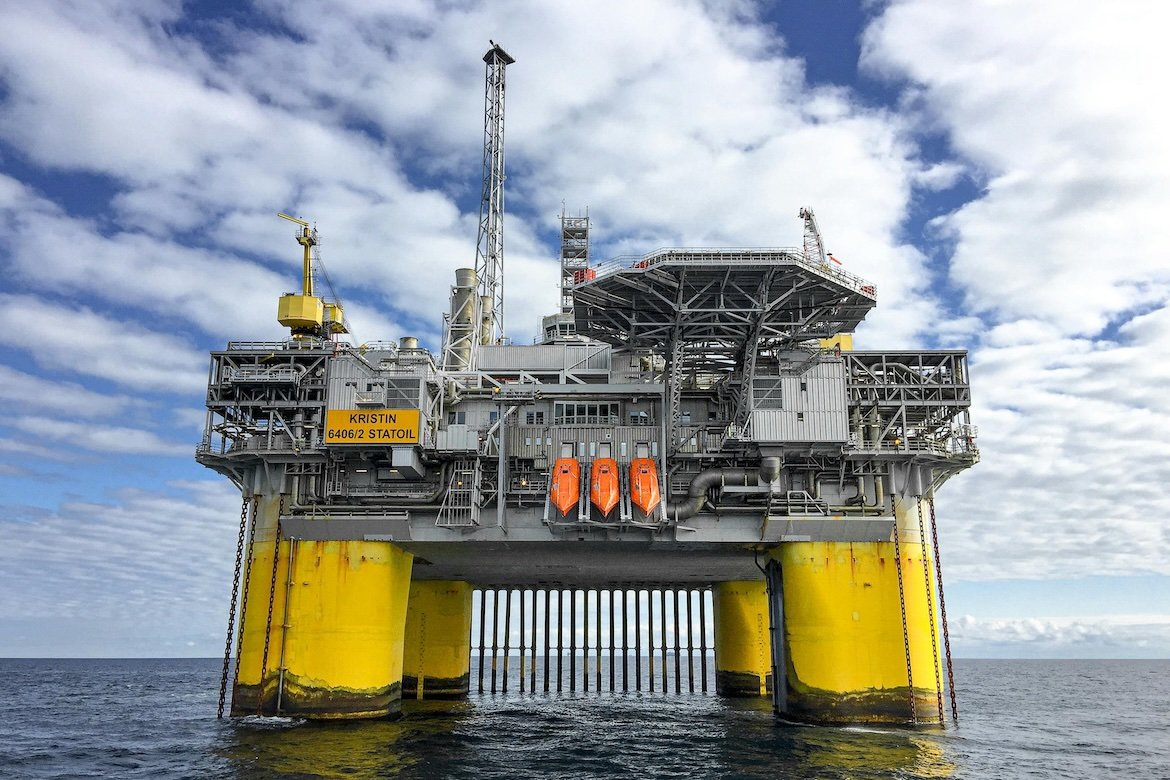
Oil prices dropped sharply after President Donald Trump delayed planned U.S. strikes on Iran’s energy infrastructure, easing immediate fears of supply disruptions in the Middle East. Photo: Jan-Rune Smenes Reite / Pexels

Oil prices declined sharply after Donald Trump postponed potential U.S. strikes on Iran’s energy infrastructure for five days, easing immediate concerns over supply disruptions in one of the world’s most critical oil transit routes.

The move comes amid heightened tensions in the Middle East, where fears of conflict escalation had previously driven oil prices higher on concerns about disruptions to shipments through the Strait of Hormuz.

The delay provided temporary relief to markets that had been pricing in the risk of a sudden supply shock.

Geopolitical Risk Drives Oil Volatility

Oil markets have been highly sensitive to developments in the region, with prices swinging sharply in recent sessions as traders react to geopolitical headlines. The Strait of Hormuz remains a key chokepoint for global energy supplies, with a significant portion of the world’s oil passing through the narrow waterway. Any disruption to shipping routes in the region could have immediate consequences for global energy prices and inflation. As previously covered, escalating tensions between the U.S. and Iran have increased uncertainty in energy markets, contributing to sharp price movements in both crude oil and natural gas.

The decision to delay potential strikes suggests a temporary de-escalation, which markets interpreted as reducing the likelihood of near-term supply disruptions.

Market Implications and Outlook

The drop in oil prices highlights how quickly sentiment can shift in commodity markets when geopolitical risks change. Lower oil prices can provide relief for global equities by reducing inflationary pressure and easing concerns about rising input costs for businesses. However, analysts caution that volatility is likely to remain elevated as the situation in the Middle East continues to evolve. Investors are closely monitoring developments over the coming days, particularly any signals regarding military action or diplomatic progress. The five-day delay effectively extends uncertainty, keeping markets on edge while postponing a definitive resolution.

For now, the reaction underscores a broader trend: energy markets are increasingly driven by geopolitical developments, with prices responding rapidly to changes in perceived risk.

As global supply chains remain sensitive to disruptions, oil prices are expected to continue reacting sharply to developments in the region.

Gold Suffers Worst Weekly Drop in Over 40 Years as War and Rates Hit Demand

Gold recorded its steepest weekly decline in more than four decades, falling 11% to $4,488 per ounce. Rising oil prices and expectations of prolonged high interest rates weakened its safe-haven appeal.

By Nathan Cole | Edited by Oleg Petrenko Published: Updated:
Gold Suffers Worst Weekly Drop in Over 40 Years as War and Rates Hit Demand
Gold posted its sharpest weekly drop in over four decades, declining 11% to $4,488 per ounce. Surging oil prices and expectations of higher interest rates for longer eroded its safe-haven appeal. Photo: Zlaťáky.cz / Pexels

Gold prices posted their largest weekly decline in more than 40 years, dropping approximately 11% to $4,488 per ounce, in a move that has surprised investors given the ongoing geopolitical tensions in the Middle East.

The sharp selloff comes despite the escalation of conflict involving Iran, a scenario that would typically boost demand for gold as a traditional safe-haven asset.

Instead, the metal has come under pressure as macroeconomic forces – particularly rising energy prices and shifting expectations for U.S. monetary policy – outweighed its defensive appeal.

Why Gold Is Falling Despite Geopolitical Risk

The decline in gold prices has been driven largely by a surge in oil prices and the resulting inflation concerns. The conflict in the Middle East has disrupted energy supplies, pushing crude prices higher and increasing the likelihood that inflation will remain elevated.

As a result, markets have begun to scale back expectations for interest rate cuts from the Federal Reserve, with some analysts even considering the possibility of tighter policy for longer.

Higher interest rates tend to weigh on gold because the metal does not generate income, making it less attractive compared to yield-bearing assets such as bonds.

At the same time, the U.S. dollar has strengthened, further pressuring gold prices by making the metal more expensive for international buyers.

Another factor has been forced selling. During periods of market stress, investors often liquidate profitable positions including gold to raise cash or cover losses in other asset classes.

Implications for Markets and Safe-Haven Assets

The scale of the decline has raised questions about gold’s role as a reliable safe-haven asset in the current macro environment.

Traditionally, geopolitical conflicts drive investors toward gold. However, the current episode suggests that inflation dynamics and central bank policy expectations may now play a more dominant role in shaping price movements.

Analysts say the shift reflects a broader change in market behavior, where interest rates and liquidity conditions outweigh geopolitical risk in determining asset allocation.

At the same time, the drop highlights how interconnected global markets have become. Rising oil prices, central bank policy, and currency movements are all influencing gold simultaneously.

Despite the sharp decline, some market participants caution against declaring the end of gold’s long-term bull cycle, noting that previous rallies have also included periods of steep corrections.

For now, however, the metal’s historic weekly drop underscores a key takeaway: even traditional safe havens are not immune to the powerful forces of inflation, interest rates, and global capital flows.

Kalshi Raises $1 Billion at $22 Billion Valuation in Major Funding Round

Kalshi has raised more than $1 billion in a new funding round, valuing the prediction market platform at $22 billion. The deal highlights growing investor interest in event-driven trading markets.

By Emma Clarke | Edited by Oleg Petrenko Published: Updated:
Kalshi Raises $1 Billion at $22 Billion Valuation in Major Funding Round
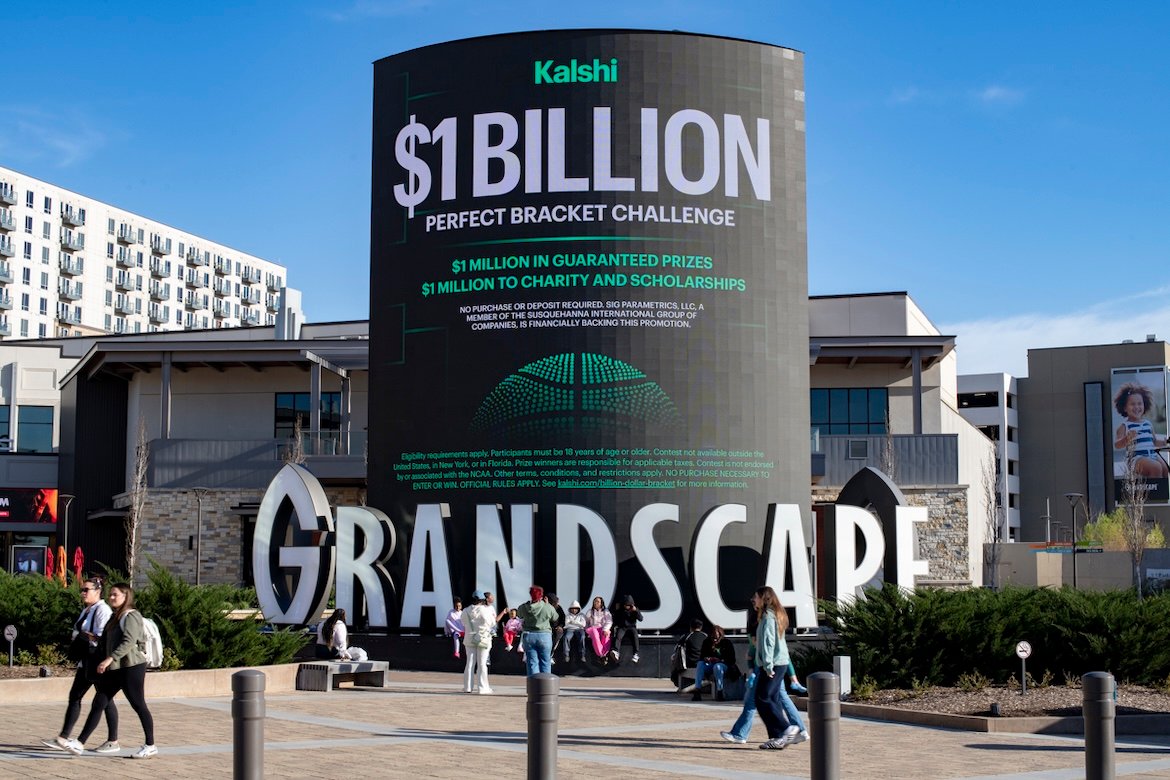
Kalshi has secured more than $1 billion in a new funding round, valuing the prediction markets platform at $22 billion. The deal underscores rising investor interest in event-driven trading. Photo: Kalshi / X

Kalshi has raised more than $1 billion in a new funding round, reaching a valuation of approximately $22 billion, according to reports, marking one of the largest financings in the emerging prediction markets sector.

The company operates a regulated exchange that allows users to trade on the outcomes of real-world events, ranging from economic indicators to political developments and environmental data.

The latest funding round signals strong investor confidence in the growing market for event-based financial instruments.

Prediction Markets Gain Institutional Attention

Kalshi’s platform enables traders to buy and sell contracts tied to specific outcomes, effectively turning real-world events into tradable financial assets.

Unlike traditional derivatives, prediction markets focus on binary or probabilistic outcomes, such as whether inflation will exceed a certain level or if a policy decision will be implemented.

The model has gained traction as investors look for new ways to hedge risk and express views on macroeconomic and geopolitical developments.

As previously covered, interest in alternative trading instruments has increased alongside rising market volatility and demand for more flexible hedging tools.

Kalshi’s regulatory status in the United States has also positioned it uniquely within the sector, allowing it to operate under a framework that distinguishes it from many crypto-based prediction platforms.

Implications for Financial Markets

The $22 billion valuation places Kalshi among the most valuable fintech companies focused on market innovation, highlighting the rapid expansion of event-driven trading.

Analysts say the funding could accelerate product development, expand contract offerings, and attract institutional participants seeking exposure to non-traditional asset classes.

The growth of prediction markets may also influence how investors interpret and price risk, as these platforms aggregate real-time expectations about future events.

However, the sector still faces regulatory scrutiny, particularly regarding the classification of event-based contracts and their potential overlap with gambling or speculative trading.

Even so, the scale of the funding round suggests that investors see long-term potential in platforms that transform information and probability into tradable assets.

As financial markets continue to evolve, prediction markets like Kalshi could become an increasingly important component of the broader trading ecosystem.