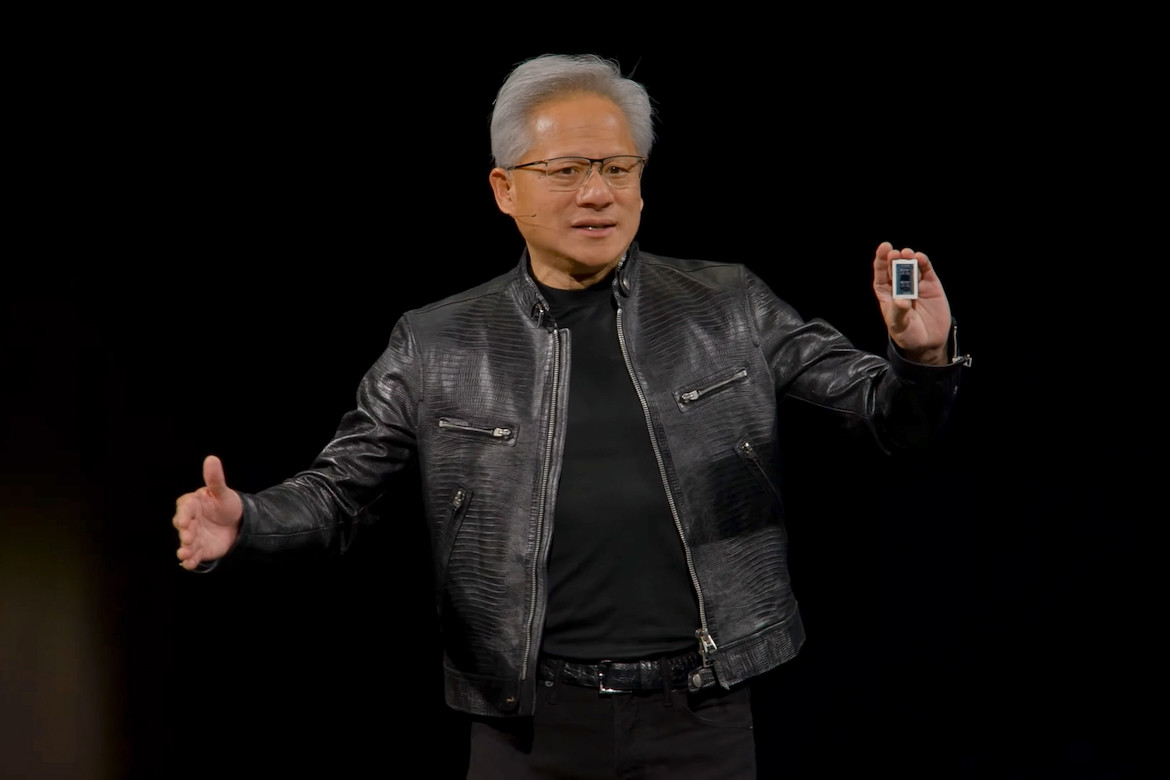

Nvidia shares moved higher after the company unveiled its RTX Spark processor for Windows laptops, signaling a major expansion into the personal computer market.
The new chip positions Nvidia to compete directly with long-established PC processor leaders Intel and AMD.
NVIDIA RTX Spark: a 1-petaflop superchip, the full CUDA and RTX ecosystem, and Windows-native agents. A new beginning for personal computers. pic.twitter.com/3OPOCNJBz5
— NVIDIA (@nvidia) June 1, 2026
RTX Spark is designed to power a new generation of AI-focused Windows devices, combining advanced graphics, AI acceleration, and local machine learning capabilities.
Nvidia Pushes Beyond Data Centers
The launch represents Nvidia’s latest effort to diversify beyond its dominant position in AI accelerators and data-center hardware.
Analysts say the company is attempting to replicate its success in AI infrastructure by bringing high-performance AI computing directly to consumer and professional laptops.
The processor is expected to support advanced AI workloads on-device, reducing reliance on cloud infrastructure while enabling faster and more private AI applications.
Nvidia’s move comes as demand for AI-capable personal computers accelerates across both consumer and enterprise markets.
The company is also expected to benefit from its extensive CUDA software ecosystem, which remains a major advantage among developers and AI researchers.
Competition in AI PCs Intensifies
The launch further intensifies competition across the rapidly growing AI PC market, where chipmakers are racing to integrate AI acceleration directly into personal devices.
Industry observers view RTX Spark as one of Nvidia’s most ambitious attempts to challenge Intel and AMD in a market historically dominated by CPU-focused architectures.
The processor is expected to appear in premium Windows laptops, including Microsoft’s upcoming Surface Laptop Ultra.
Analysts note that AI-enabled PCs could become one of the largest growth categories in computing over the next several years as artificial intelligence becomes increasingly integrated into everyday software.
The broader takeaway is that Nvidia’s ambitions now extend well beyond GPUs and data centers, with the company positioning itself to play a central role in the next generation of AI-powered personal computing.