Deprecated: trim(): Passing null to parameter #1 ($string) of type string is deprecated in /home/u752143311/domains/marketspeaker.com/public_html/wp-content/plugins/wordpress-seo/src/presenters/rel-prev-presenter.php on line 70
Deprecated: rtrim(): Passing null to parameter #1 ($string) of type string is deprecated in /home/u752143311/domains/marketspeaker.com/public_html/wp-includes/formatting.php on line 2829
Blockchain network Polygon says it will invest $250 million in deals aimed at boosting stablecoin payment adoption and infrastructure, positioning itself as a key hub for crypto payment activity.
By Oleg PetrenkoUpdated
2 mins readPolygon said it plans to deploy $250 million across strategic partnerships and investments to accelerate stablecoin payments, aiming to strengthen its role as a core infrastructure layer for crypto-based transactions. Photo: Oleg Petrenko / MarketSpeaker
Polygon, a major blockchain network, has announced a $250 million program of deals designed to accelerate the use of stablecoins for payments and expand related infrastructure across its ecosystem.
The initiative allocates capital toward partnerships, integrations, and support for projects building payments capabilities on and around Polygon’s network. The push underscores a broader industry shift toward using stablecoins – cryptocurrencies pegged to fiat currencies – as efficient, low-cost settlement layers for digital commerce.
Polygon’s plan includes funding for developer incentives, payment infrastructure, and ecosystem growth, as well as strategic collaborations with firms building wallets, merchant tools, and cross-chain connectivity. The aim is to strengthen Polygon’s role as a hub for everyday transactions and programmable payment solutions.
Why Polygon Is Betting on Stablecoin Payments
Polygon’s move reflects growing interest in stablecoin use cases beyond pure trading and speculative activity. Stablecoins offer a promise of predictable value while maintaining the speed and accessibility of blockchain settlement – attributes that make them attractive for remittances, e-commerce checkout flows, and decentralized finance.
By investing in payment-oriented partnerships, Polygon seeks to capture more transaction volume and developer mindshare relative to other layer-1 and layer-2 networks. The $250 million commitment is intended to stimulate adoption and address pain points such as liquidity fragmentation, user experience, and cross-network settlement.
The initiative also dovetails with broader market trends. As previously covered, regulators in major economies are increasingly weighing frameworks for stablecoin oversight, which may boost confidence among institutions considering blockchain-based payment rails.
Market and Industry Implications
Polygon’s investment signals confidence in stablecoins as a growth vector for blockchain ecosystems, particularly in an era when traditional payment networks face cost pressures and scalability limits. If successful, the effort could drive deeper merchant acceptance, smoother wallet integration, and richer tooling for developers.
For the crypto market, the initiative highlights stablecoins’ evolving role – from trading vehicles to potential pillars of digital payments infrastructure. Investors may view the focus on payments as a diversification of crypto’s value proposition, though regulatory clarity will be critical for broader institutional engagement.
Increased stablecoin activity on Polygon could also have implications for token velocity and network fees, factors that influence both developer incentives and investor sentiment. While stablecoin demand has traditionally concentrated on major tokens like USDC and Tether, blockchain networks that can streamline settlement and reduce friction may capture a larger slice of this growing segment.
Japanese stocks surged as investors reacted to rising expectations that the ruling coalition may call a snap general election, boosting confidence in policy continuity and fiscal support.
By Michael FosterUpdated
3 mins readJapanese equities rallied as speculation over a potential snap election lifted investor confidence in political stability and the continuation of supportive fiscal policies. Photo: Jezael Melgoza / Unsplash
Japanese equities posted their strongest single-day gain in months, with the Nikkei 225 jumping more than 3% as speculation grew that the country’s ruling party could move toward a snap general election.
The rally reflected investor optimism that an early vote would reinforce political stability and preserve Japan’s current economic policy framework, including accommodative fiscal measures and coordination with the central bank. Market participants viewed the prospect of a decisive mandate as a potential catalyst for renewed confidence in corporate earnings and capital investment.
The Nikkei’s advance was broad-based, with gains across exporters, financials, and industrial stocks. A weaker yen further supported the move, improving the outlook for overseas revenues among Japan’s large multinational companies.
Political Signals Drive Market Optimism
Speculation around a snap election intensified after local media and political analysts pointed to rising approval ratings for the ruling coalition and a strategic window to consolidate power. Investors interpreted the signals as increasing the likelihood of policy continuity rather than disruption.
Japan’s equity market has historically responded positively to periods of political clarity, particularly when investors expect stable leadership and predictable economic management. A snap election, if called, could reduce uncertainty around fiscal spending plans, tax policy, and structural reforms aimed at supporting growth.
As previously covered, Japanese stocks have benefited from a combination of shareholder-friendly reforms, improved corporate governance, and stronger returns on equity. Political stability is seen as reinforcing these trends rather than derailing them.
Broader Market and Regional Impact
The surge in Japanese equities helped lift sentiment across Asia-Pacific markets, even as global investors remain cautious amid geopolitical tensions and uncertainty over the future path of U.S. monetary policy. Japan stood out as a relative bright spot, with domestic factors outweighing external risks.
Export-oriented sectors were among the top performers, reflecting both the weaker yen and expectations that government support for industry and innovation would remain intact. Financial stocks also advanced on hopes that improved economic momentum could support lending activity and profitability.
From a market perspective, the Nikkei’s sharp move underscores how political developments can act as short-term catalysts for equity rallies, particularly in markets where policy direction plays a central role in shaping investor expectations.
Looking ahead, analysts caution that gains could become more volatile as election timelines and campaign messaging come into focus. However, many see the rally as a sign that global investors continue to view Japan as a relatively attractive destination within developed markets, especially compared with regions facing sharper political or economic headwinds.
Gold surged past $4,600 an ounce for the first time as investors rushed into safe-haven assets amid mounting political pressure on the Federal Reserve and escalating geopolitical tensions.
By Michael FosterUpdated
2 mins readGold climbed above $4,600 an ounce for the first time as rising political scrutiny of the Federal Reserve and intensifying geopolitical risks drove investors toward safe-haven assets. Photo: Pixabay / Pexels
Gold prices surged to a fresh all-time high above $4,600 an ounce, extending one of the strongest safe-haven rallies in modern market history as investors responded to a sharp rise in political and geopolitical uncertainty. The move capped a powerful multi-month run driven by falling confidence in policy stability and growing global risk exposure.
The latest leg higher came as market sentiment deteriorated across multiple fronts, prompting investors to rotate out of risk assets and into traditional stores of value. Silver followed gold higher, reinforcing bullish momentum across the precious metals complex.
Gold demand is accelerating
A key catalyst behind the rally has been mounting political pressure surrounding the U.S. Federal Reserve. Reports of a criminal investigation tied to disclosures by Fed Chair Jerome Powell have injected an unusual level of institutional uncertainty into markets, raising concerns about central bank independence and future policy credibility.
At the same time, geopolitical risks intensified following renewed instability in the Middle East, particularly involving Iran, alongside ongoing tensions in Latin America. Historically, periods of geopolitical escalation tend to boost demand for hard assets, especially when combined with uncertainty around monetary policy leadership.
Macroeconomic expectations have also played a role. Investors continue to price in additional U.S. interest rate cuts in 2026, reducing the opportunity cost of holding non-yielding assets such as gold. A softer dollar environment has further supported upward pressure on precious metals prices.
Market impact
Gold’s breakout above $4,600 marks a psychologically significant level that could reshape portfolio allocation strategies if sustained. The rally has already begun to influence broader asset markets, with volatility rising across equities and capital flowing into defensive positions.
Analysts caution that near-term pullbacks remain possible given the speed of the move. However, structural demand from central banks, institutional investors, and retail buyers continues to underpin prices. The combination of political stress, geopolitical uncertainty, and easing monetary expectations creates a backdrop that remains favorable for precious metals.
Going forward, investors will closely watch developments surrounding the Federal Reserve, signals from U.S. policymakers, and any escalation in global conflict zones. If uncertainty persists, gold’s role as a hedge against systemic risk may become even more pronounced.
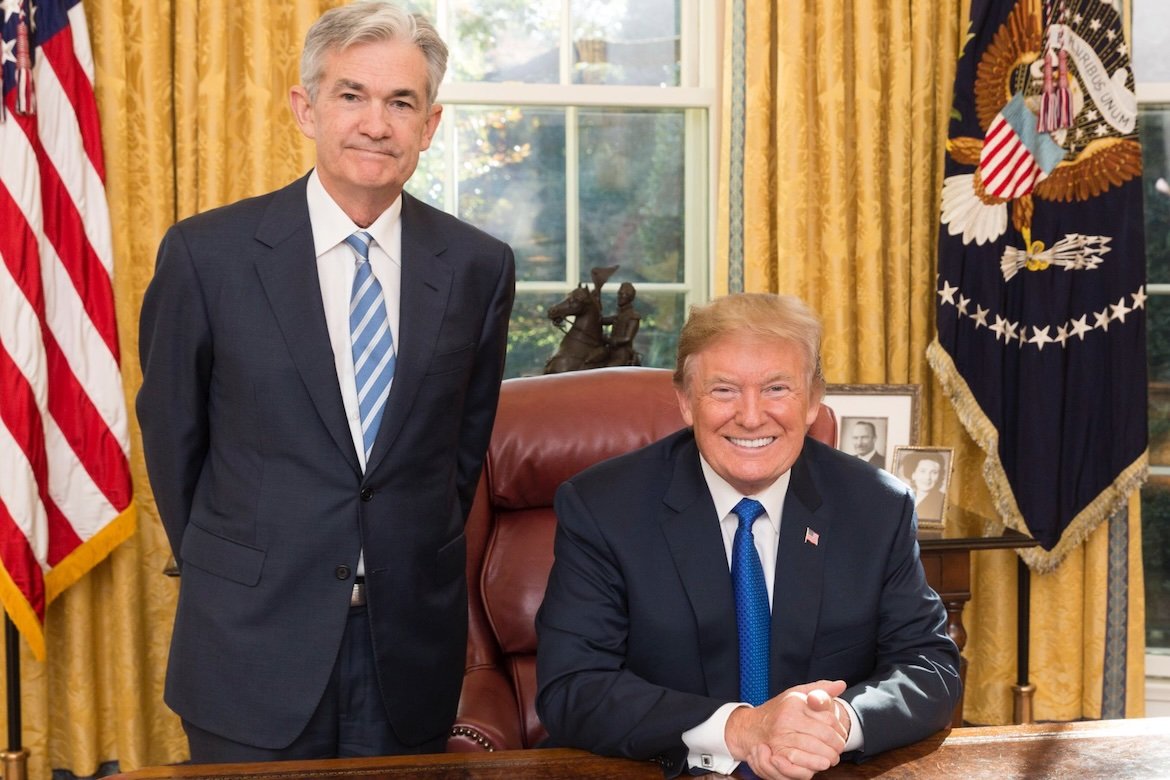
U.S. prosecutors have launched a criminal investigation into Federal Reserve Chair Jerome Powell over disclosures tied to a headquarters renovation, escalating political pressure on the central bank amid rate policy tensions.
By Michael FosterUpdated
3 mins readU.S. prosecutors have opened a criminal probe into Federal Reserve Chair Jerome Powell over statements related to a headquarters renovation, intensifying political scrutiny of the central bank as rate policy remains under debate. Photo: Dan Scavino / Wikimedia
The U.S. Attorney’s Office in Washington has opened a criminal investigation into Federal Reserve Chair Jerome Powell, marking an unprecedented legal challenge for the head of the world’s most influential central bank.
The probe centers on the renovation of the Federal Reserve’s Washington headquarters and whether Powell misrepresented the scale and cost of the project in public statements and congressional testimony. According to people familiar with the matter, prosecutors are reviewing official disclosures and expense reports linked to the reconstruction.
The investigation was authorized in November and has since expanded, introducing a new layer of uncertainty around the Federal Reserve at a time when monetary policy remains highly contested.
Why prosecutors are scrutinizing the Fed chair
Investigators are examining whether Powell’s statements to Congress accurately reflected the scope and cost of the renovation project, and whether any discrepancies could amount to misleading lawmakers.
Powell has acknowledged that the Department of Justice issued grand jury subpoenas related to his June testimony before the Senate, describing the move as “unprecedented pressure” on the central bank. He has denied wrongdoing and said the issue goes beyond construction costs.
According to Powell, the legal pressure is closely tied to broader political tensions over monetary policy, particularly the Federal Reserve’s refusal to cut interest rates as aggressively as some political leaders have demanded. He warned that using criminal investigations to influence central bank decisions would undermine institutional independence.
Legal experts say it is rare for a sitting Fed chair to face a criminal probe, even one focused on administrative disclosures rather than policy decisions.
Market and policy implications
The investigation risks unsettling markets already sensitive to political interference in monetary policy. Investors have long viewed the Federal Reserve’s independence as a cornerstone of U.S. financial stability, anchoring inflation expectations and global confidence in the dollar.
Any perception that legal action could be used to pressure the Fed on rate decisions may increase volatility across bonds, currencies, and equities. Analysts note that even a small erosion of central bank credibility can have outsized effects on borrowing costs and investor sentiment.
The case also arrives as the Fed continues to balance stubborn inflation risks against signs of slowing economic growth, a backdrop that has intensified scrutiny of Powell’s leadership.
While no charges have been filed, the investigation adds a powerful political dimension to the Fed’s policy outlook in 2026. Markets are likely to remain highly reactive to developments that could reshape the relationship between monetary policy and government authority.
Nasdaq and CME Group have unveiled a joint crypto index aimed at bringing greater transparency and institutional-grade benchmarks to digital asset markets.
By Oleg PetrenkoUpdated
3 mins readNasdaq and CME Group have introduced a joint crypto index, underscoring growing institutional involvement and the push for standardized benchmarks in digital asset markets. Photo: Rômulo Queiroz / Pexels
Nasdaq and CME Group have joined forces to launch a new crypto index, marking a significant step toward deeper institutional participation in digital asset markets. The initiative, known as the Nasdaq-CME Crypto Index, is designed to provide a standardized benchmark for tracking the performance of major cryptocurrencies in a market that has long been criticized for fragmentation and inconsistent pricing.
Today, Nasdaq & @CMEGroup are responding to that demand and reintroducing the Nasdaq Crypto Index (NCI) as the Nasdaq CME Crypto™ Index (NCI™) establishing a leading benchmark built for institutional-grade exposure and the next wave of derivatives innovation.… pic.twitter.com/25uqoc22F8
The index will initially focus on a select group of highly liquid digital assets, with the goal of offering reliable reference pricing for investors, fund managers, and derivatives markets. By combining Nasdaq’s market data expertise with CME Group’s dominance in futures and derivatives, the partnership aims to bridge the gap between traditional finance and the rapidly evolving crypto ecosystem.
Why Nasdaq and CME Are Entering Crypto Benchmarks
The launch reflects growing demand from institutional investors for clearer pricing signals and trusted infrastructure in crypto markets. While digital assets have gained broader acceptance, large investors often cite volatility, opaque liquidity, and inconsistent valuation methodologies as barriers to wider adoption.
Nasdaq brings decades of experience in index construction and market surveillance, while CME Group has already established itself as a leading venue for regulated crypto derivatives. Together, the firms are positioning the index as a foundation for future financial products, including exchange-traded funds, futures, and structured investment vehicles tied to digital assets.
Industry observers note that standardized benchmarks are a critical step in moving crypto closer to the norms of traditional asset classes. A widely accepted index can reduce pricing discrepancies, improve risk management, and support compliance requirements for regulated investors.
What It Means for Crypto Markets and Investors
The Nasdaq-CME Crypto Index could accelerate the integration of digital assets into mainstream portfolios. With institutional-grade benchmarks in place, asset managers may find it easier to justify crypto exposure to clients and regulators, potentially driving additional capital into the sector.
The move also highlights a broader trend of traditional financial institutions expanding their footprint in crypto infrastructure rather than speculative trading. By focusing on data, benchmarks, and derivatives, Nasdaq and CME are targeting the “plumbing” of the market, where long-term value and recurring revenue are often more stable.
At the same time, increased institutional involvement may contribute to reduced volatility over time, as larger pools of capital and more sophisticated risk management tools enter the market. However, analysts caution that regulatory developments and macroeconomic conditions will continue to play a decisive role in shaping crypto’s trajectory.
As previously covered, major exchanges and asset managers have been steadily building crypto-related products aimed at professional investors. The Nasdaq-CME Crypto Index adds further momentum to that shift, signaling that digital assets are becoming a permanent feature of global financial markets rather than a fringe experiment.
Chat platform Discord has confidentially filed for an initial public offering, signaling renewed momentum in venture-backed tech listings as market sentiment improves.
By Oleg PetrenkoUpdated
2 mins readChat platform Discord has submitted a confidential IPO filing, pointing to a revival in investor appetite for venture-backed technology offerings as market conditions stabilize. Photo: appshunter.io / Unsplash
Discord has confidentially submitted paperwork for an initial public offering in the United States, according to people familiar with the matter, positioning the popular chat platform as one of the latest venture-backed technology companies preparing to test public markets.
The filing, which allows companies to begin regulatory review without publicly disclosing financial details, comes as investor sentiment toward technology listings shows signs of recovery after a prolonged slowdown driven by higher interest rates and market volatility.
Discord Is Moving Toward the Public Markets
Founded in 2015, Discord has grown into one of the world’s largest communication platforms, particularly popular among gamers, online communities, and creators. The company offers text, voice, and video communication across private and public servers, with hundreds of millions of registered users globally.
Discord’s business model is primarily built around subscriptions, including its Nitro service, as well as digital features aimed at power users. Unlike many social platforms, the company has avoided heavy reliance on advertising, a strategy that has appealed to users but required scale to support profitability.
As previously covered, venture capital-backed technology firms have increasingly revisited IPO plans amid stabilizing equity markets and stronger demand for growth-oriented assets. A confidential filing allows Discord to assess regulatory feedback and market conditions before committing to a formal launch timeline.
Tech IPO and Investors
Discord’s move adds to a growing pipeline of technology companies considering public debuts, suggesting that the IPO window may be reopening after a subdued period. Investors are closely watching whether high-profile platforms with strong user engagement but evolving monetization strategies can attract sustained public market interest.
The timing of any offering remains uncertain and will depend on broader market conditions, valuation expectations, and investor appetite for consumer internet businesses. Still, Discord’s filing is seen as a positive signal for the venture ecosystem, where exits have been limited in recent years.
If successful, the IPO could provide a benchmark for other late-stage private companies weighing similar moves and help revive capital flows into the technology sector.
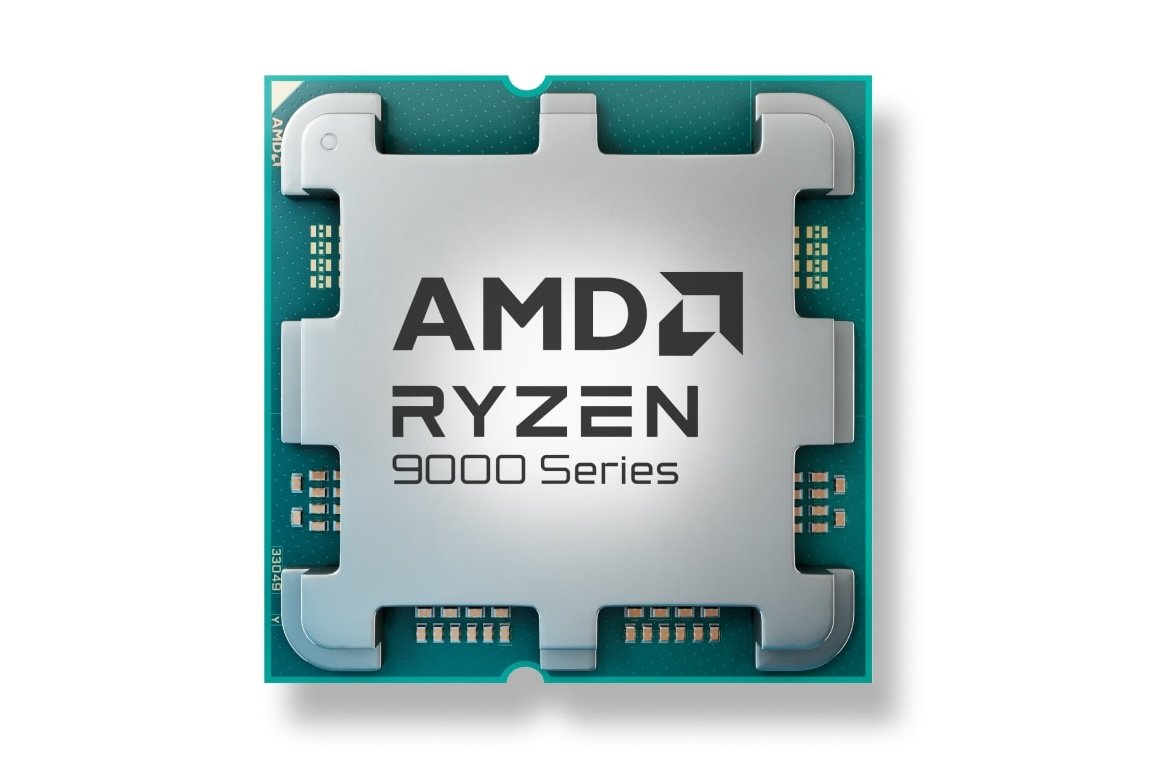
AMD has introduced the Ryzen 7 9850X3D, an upgraded gaming-focused processor delivering higher boost speeds and a modest performance uplift over its predecessor.
By Oleg PetrenkoUpdated
2 mins readAMD has unveiled the Ryzen 7 9850X3D, a refined gaming-oriented processor that offers higher boost clocks and a moderate performance improvement compared with the previous model. Photo: AMD
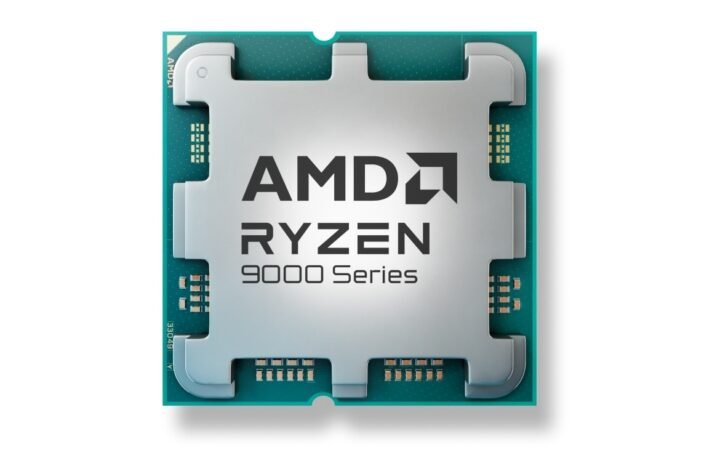
AMD has expanded its gaming CPU lineup with the launch of the Ryzen 7 9850X3D, an enhanced version of the widely praised Ryzen 7 9800X3D that has been regarded as one of the strongest gaming processors on the market.
The new chip builds on AMD’s 3D V-Cache technology, a design approach that has consistently delivered strong gaming results by increasing on-chip cache capacity. With higher clock speeds and incremental performance improvements, the 9850X3D aims to keep AMD competitive at the high end of the enthusiast PC market.
Higher clocks and incremental performance gains
The Ryzen 7 9850X3D features a boost clock reaching up to 5.6 GHz, marking a noticeable increase over the previous generation. According to AMD, overall performance gains compared with the Ryzen 7 9800X3D are approximately 7%, with the biggest benefits expected in CPU-intensive gaming scenarios.
While the generational uplift is relatively modest, it reflects AMD’s focus on refining an already successful architecture rather than delivering a full redesign. The chip remains positioned primarily for gamers who prioritize high frame rates and low latency, particularly in competitive titles where cache and clock speeds play a critical role.
As previously covered, AMD’s X3D processors have carved out a distinct niche by outperforming many higher-core-count rivals in gaming workloads, even when trailing slightly in raw multi-threaded productivity.
Competitive implications for the gaming CPU market
The release of the Ryzen 7 9850X3D reinforces AMD’s strategy of using targeted upgrades to extend the lifecycle of its gaming-focused processors. With Intel expected to continue pushing hybrid-core designs and higher frequencies, AMD’s emphasis on cache-driven performance differentiation remains a key competitive lever.
For consumers, the launch may prompt renewed price pressure across the high-end CPU segment, particularly as existing models such as the 9800X3D remain strong performers. The relatively small performance delta also suggests that current owners may see limited incentive to upgrade immediately, while new system builders gain access to AMD’s most refined gaming chip to date.
From an investor perspective, the announcement underscores AMD’s ongoing commitment to the enthusiast and gaming markets, which continue to serve as important visibility drivers alongside data center and AI-related growth initiatives.
Global markets whipsawed after political upheaval in Venezuela, pushing oil and gas sharply lower while triggering a powerful rally in U.S. energy stocks, precious metals, and bitcoin.
By Michael FosterUpdated
2 mins readGlobal markets were jolted by political turmoil in Venezuela, sending oil and gas prices sharply lower while fueling strong gains in U.S. energy equities, precious metals, and bitcoin. Photo: Yashowardhan Singh / Unsplash
Global markets delivered a clear and immediate verdict on developments in Venezuela, with investors broadly welcoming U.S. actions as futures trading opened. While oil and gas prices slid sharply, capital flowed decisively into U.S. energy equities, precious metals, and cryptocurrencies, underscoring a complex but telling shift in risk sentiment.
Crude oil fell roughly 1% shortly after the U.S. open, briefly dipping below $57 per barrel and nearing its lowest levels since 2021. Natural gas prices plunged as much as 6% within minutes, reflecting short-term demand concerns and aggressive repositioning rather than fears of supply disruption.
Energy Stocks Surge as Investors Back U.S. Strategy
Despite the drop in oil prices, U.S. energy equities staged a powerful rally, signaling that investors viewed the situation as strategically favorable for American producers. Chevron shares jumped 11% in overnight trading, adding roughly $35 billion to the company’s market capitalization, according to analysts.
The gains were broad-based across the sector. Valero Energy and ConocoPhillips each rose about 10–11%, while Marathon Petroleum climbed roughly 10%. Exxon Mobil advanced 7%, Phillips 66 gained 6%, and Occidental Petroleum, EOG Resources, and Devon Energy each added around 4%.
The move suggests markets expect Washington’s actions to reinforce U.S. leverage in global energy markets, potentially tightening future supply dynamics or reshaping competitive positioning. As previously covered, geopolitical shocks often produce counterintuitive reactions, with equity investors focusing less on near-term commodity prices and more on long-term strategic outcomes.
Flight to Hedges and Crypto Volatility
At the same time, investors sought protection against broader instability. Silver surged roughly 6%, breaking above $75 per ounce as demand for defensive assets accelerated. The move extended an already strong rally driven by tight supply and heightened macro uncertainty.
Cryptocurrency markets were also swept into the volatility. Bitcoin jumped toward $93,000 after a wave of short liquidations, gaining roughly $5,000 from recent lows following reports of U.S. strikes linked to Venezuela. The surge highlighted bitcoin’s growing role as both a speculative vehicle and a hedge during geopolitical stress.
Together, the moves paint a clear picture: while commodities sold off on demand fears, investors decisively favored U.S. energy champions, hard assets, and alternative stores of value. The episode underscores how geopolitical events can rapidly realign capital flows, rewarding perceived winners even as traditional markets reel from uncertainty.
Warren Buffett will step aside as CEO of Berkshire Hathaway this week after six decades, marking the end of one of the most successful leadership tenures in corporate history.
By Michael FosterUpdated
3 mins readWarren Buffett is set to relinquish the CEO role at Berkshire Hathaway this week, closing a 60-year run that ranks among the most successful leadership tenures in corporate history. Photo: Oleg Petrenko / MarketSpeaker
Warren Buffett will officially step down as chief executive of Berkshire Hathaway on Wednesday, closing a remarkable 60-year chapter that transformed a struggling textile company into one of the world’s most valuable investment conglomerates.
Buffett, now 95, announced earlier in May 2025 that he planned to relinquish the CEO role by year-end. His departure comes with Berkshire Hathaway shares trading near record levels and the company firmly embedded in the global financial system. Leadership will pass to Greg Abel, a long-prepared successor who has overseen Berkshire’s non-insurance operations since 2018.
Under Buffett’s stewardship, Berkshire Hathaway shares climbed from just $19 in 1965 to roughly $750,000 today, representing a gain of approximately 3,950,000%. The performance cemented Buffett’s reputation as the most influential long-term investor of the modern era and reshaped how generations of investors think about capital allocation, patience, and risk.
Six Decades of Compounding and Discipline
Buffett’s success rested on a disciplined value-investing philosophy combined with an unusually long time horizon. Rather than chasing trends, he focused on durable businesses, strong management teams, and predictable cash flows. Over decades, that approach produced a sprawling portfolio spanning insurance, railroads, energy, manufacturing, consumer brands, and major equity stakes.
Berkshire’s insurance float became the engine of its compounding machine, allowing Buffett to deploy capital at scale during market dislocations. From the financial crisis to pandemic-era volatility, Berkshire repeatedly emerged stronger, often acting as a buyer of last resort when markets were under stress.
As of December 30, 2025, Buffett’s personal net worth is estimated at $149 billion, placing him among the world’s richest individuals. Yet his public image has remained rooted in restraint. He still lives in the same Omaha home he bought decades ago, favors McDonald’s and Coca-Cola, and is known for spending roughly six hours a day reading.
What Comes Next for Berkshire Hathaway
Greg Abel inherits a company with immense scale, a fortress balance sheet, and more than $150 billion in cash and equivalents. Prepared for the role since at least 2021, Abel is widely viewed as a steady operator rather than a capital-markets celebrity, signaling continuity rather than disruption.
Investors will now closely watch how Berkshire deploys capital without Buffett’s direct hand, particularly in acquisitions and large equity investments. While Buffett will remain chairman for a transition period, the psychological shift for markets is significant.
The end of Buffett’s tenure marks more than a leadership change. It closes an era in which one individual became synonymous with disciplined investing, long-term thinking, and trust-based shareholder relationships. Berkshire Hathaway now enters its next phase carrying an extraordinary legacy and the challenge of sustaining it.
AMD and Nvidia are preparing to raise graphics card prices in early 2026 as soaring memory costs squeeze margins and disrupt long-standing pricing strategies.
By Oleg PetrenkoUpdated
3 mins readAMD and Nvidia are set to increase graphics card prices in early 2026 as surging memory costs pressure margins and upend traditional pricing models. Photo: Oleg Petrenko / MarketSpeaker
AMD and Nvidia are expected to increase prices on their graphics cards starting in early 2026, as a sharp rise in memory costs makes it increasingly difficult for chipmakers to maintain current price levels.
According to industry sources, both companies are facing sustained cost pressure from surging prices for video memory and storage components. These inputs account for a growing share of total GPU production costs, particularly for high-end models that rely on large memory configurations. As a result, manufacturers are preparing to pass part of the burden on to consumers.
The price increases are expected to be gradual rather than abrupt, but the cumulative impact could be substantial. In a worst-case scenario, flagship products such as Nvidia’s GeForce RTX 5090 – previously priced around $2,000 – could eventually climb toward the $5,000 level if cost inflation persists.
Why GPU Prices Are Moving Higher
The primary driver behind the expected hikes is a sharp escalation in memory pricing. Suppliers of GDDR and high-bandwidth memory have shifted capacity toward data centers and artificial intelligence workloads, where demand is stronger and margins are higher than in the consumer electronics segment.
This shift has tightened supply for gaming and consumer GPUs, leaving AMD and Nvidia with limited options. Absorbing the higher costs would significantly erode margins, especially as competition in the midrange market remains intense. Maintaining recommended retail prices under these conditions is no longer economically viable, according to analysts.
The situation mirrors broader trends across the hardware industry. As previously covered, manufacturers are already cutting specifications in some consumer devices to cope with component shortages. In the GPU market, however, reducing memory capacity is less feasible without undermining performance and product positioning.
What It Means for Gamers and Investors
For consumers, the outlook suggests a tougher upgrade cycle. Higher GPU prices may delay purchases, particularly among mainstream buyers, and reinforce a growing divide between entry-level and premium hardware. Budget-conscious gamers could increasingly turn to older models or the secondhand market.
For investors, the pricing shift highlights Nvidia’s and AMD’s strong pricing power at the high end, even as unit demand faces pressure. Nvidia, in particular, may be better positioned to offset consumer weakness with continued strength in data center and AI-related sales, while AMD’s strategy will be closely watched as it balances competitiveness with profitability.
If memory costs remain elevated into 2026, further price adjustments are likely. The GPU market, once driven by rapid performance gains at stable prices, is entering a phase where component economics – rather than innovation alone – may dictate what consumers pay.
Former child star Macaulay Culkin says he has been ‘technically retired’ since his teens, choosing projects only for personal interest after earning financial independence early in life.
By Oleg PetrenkoUpdated
3 mins readFormer child actor Macaulay Culkin says he has considered himself “technically retired” since adolescence, returning to acting only when a project genuinely appeals to him after achieving early financial independence. Photo: Macaulay Culkin / Instagram
Macaulay Culkin, one of Hollywood’s most recognizable former child actors, says he has effectively been retired since the age of 14, after earning enough money early in life to step away from the pressures of constant work. Now in his 40s, the “Home Alone” star says he only returns to acting when a project genuinely interests him and immediately considers himself retired again once it’s finished.
Culkin recently explained his philosophy on a podcast, describing a life built around financial freedom rather than career momentum. After becoming one of the highest-paid child actors of the 1990s, he largely disappeared from Hollywood for nearly a decade, choosing instead to live a normal teenage life away from fame.
Choosing Freedom Over Fame
Culkin said his early success allowed him to redefine what work meant at a young age. Rather than chasing roles or building a traditional acting career, he stepped back from the industry entirely after his childhood stardom peaked.
During that time, he focused on school, friendships, hobbies, and everyday experiences that most child actors miss. By the time he returned to public life, his priorities had shifted from income generation to personal enjoyment and creative curiosity.
This approach continues today. Culkin described his work cycle as a pattern of “retiring” and “un-retiring,” taking on a role only if it feels rewarding rather than necessary. Each project, he says, is treated as his last unless something else catches his attention later.
A Different Model of Retirement
In recent years, Culkin has selectively appeared in projects that align with his interests, including voice acting roles and television series. These appearances are sporadic by design, reflecting a lifestyle more akin to early retirement than an ongoing career.
Financial experts often point to Culkin’s path as an extreme example of financial independence achieved early. Earning millions before adulthood gave him the ability to opt out of traditional employment decades ahead of most people, avoiding burnout and preserving long-term flexibility.
His story contrasts sharply with the instability many former child stars face, highlighting how early financial planning, controlled spending, and stepping away from relentless public exposure can reshape long-term outcomes.
While Culkin doesn’t frame his choices as financial advice, his experience underscores a broader theme gaining traction: wealth as a tool for autonomy rather than accumulation. For him, success isn’t measured by productivity or visibility, but by the freedom to walk away and return only when it feels right.
The Federal Reserve injected at least $17 billion into a major U.S. bank after heavy losses linked to a failed silver trade, reviving fears of systemic stress as precious metal prices soar.
By Oleg PetrenkoUpdated
2 mins readThe Federal Reserve provided at least $17 billion in emergency liquidity to a major U.S. bank following significant losses tied to a silver trade gone wrong, reigniting concerns about broader financial system strain amid surging precious metal prices. Photo: Joshua Woroniecki / Unsplash
The U.S. Federal Reserve has confirmed an emergency liquidity injection of $17 billion into one of the country’s largest banks, with market sources suggesting an additional $34 billion may have been provided through less transparent channels. If accurate, the combined support would represent the second-largest emergency intervention since the pandemic-era rescues.
The move comes amid mounting speculation that the bank suffered severe losses after positioning for a decline in silver prices – a trade that unraveled dramatically as silver surged past $82 per ounce, setting a historic high.
Silver surge exposes concentrated risk
Silver’s explosive rally, up more than 185% year-to-date, has caught parts of the financial system off guard. According to market chatter, the affected bank had built a sizable bearish exposure, expecting prices to normalize after earlier gains. Instead, tightening supply, speculative inflows, and momentum trading drove silver sharply higher, amplifying losses.
As previously covered, precious metals have seen unprecedented volatility in recent weeks, with silver outperforming most global assets. The speed of the move appears to have triggered margin stress and liquidity concerns, prompting intervention.
While the Federal Reserve has acknowledged the $17 billion operation, it has not disclosed the recipient bank’s identity or the precise nature of the facility. Unofficial reports of an additional $34 billion have not been confirmed by the Fed or by major counterparties, including JPMorgan, which has been mentioned in market speculation.
Markets price in tail risks
The situation has spilled into prediction markets, where traders are now assigning roughly a 21% probability to the failure of a major U.S. bank – a figure that has been creeping higher. Although such odds remain far from a base case, even a modest perceived risk involving a systemically important institution can have outsized effects on global confidence.
Analysts caution that, at this stage, there is no official evidence of insolvency, forced liquidation, or a disorderly unwind of positions. Emergency liquidity facilities are designed to stabilize markets before problems escalate, not necessarily signal collapse.
Still, the episode underscores how concentrated commodity bets, when combined with extreme price moves, can transmit stress across the financial system. With silver, gold, and other assets trading at or near record levels, investors are increasingly sensitive to signs that volatility may expose hidden vulnerabilities.
Early Bitcoin adopter Stefan Thomas has just two password attempts left to unlock a USB drive holding more than $600 million in bitcoin, after losing access more than a decade ago.
By Oleg PetrenkoUpdated
3 mins readEarly Bitcoin pioneer Stefan Thomas is down to his final two password attempts to access a USB device containing over $600 million worth of bitcoin, more than a decade after losing the credentials. Photo: RDNE Stock project / Pexels
Stefan Thomas, one of Bitcoin’s earliest adopters, is running out of chances to recover a fortune now worth more than $600 million after losing the password to a secure USB drive more than a decade ago.
Thomas received 7,002 bitcoins in 2011 as payment for creating an educational video titled “What Is Bitcoin.” At the time, the coins were worth roughly $2,000. Today, that same stash represents one of the most infamous locked fortunes in crypto history.
The bitcoins are stored on an IronKey USB device, a hardware wallet designed with extreme security measures. The device allows only 10 password attempts before permanently encrypting and destroying its contents. Thomas has already used eight attempts, leaving him with just two remaining chances.
How a Small Mistake Became a Massive Problem
Thomas has said he originally wrote the password on a piece of paper, which was later lost. At the time, bitcoin was a niche experiment rather than a global financial asset, and few early users anticipated how valuable their holdings might become.
Over the years, Thomas has explored multiple avenues to recover the password, including working with hackers, cryptographers, and cybersecurity specialists. Some firms have claimed to possess theoretical methods to bypass IronKey’s self-destruct mechanism, but none have succeeded in unlocking the device.
The case highlights the unforgiving nature of crypto custody. Unlike traditional banking systems, there is no central authority to reset a password or restore access. Ownership is absolute, but so is responsibility.
As previously covered, millions of bitcoins are believed to be lost forever due to forgotten keys, discarded hard drives, and destroyed storage devices. Analysts estimate that as much as 20% of all bitcoin may be permanently inaccessible.
For Crypto Investors
Thomas’s predicament has become a cautionary tale for both retail and institutional crypto investors. As digital assets gain mainstream adoption, secure key management has emerged as one of the industry’s most critical challenges.
Modern solutions such as multi-signature wallets, institutional custodians, and recovery mechanisms are designed to reduce single-point failures like lost passwords. Still, the story underscores that even advanced cryptography cannot protect users from human error.
With only two attempts remaining, Thomas has said he is reluctant to try again without absolute confidence, knowing that a final mistake would erase the fortune permanently.
The episode also reinforces bitcoin’s defining feature: true ownership without intermediaries. That promise attracts investors seeking financial sovereignty, but it comes with irreversible consequences.
For the broader market, the story serves as a reminder that crypto wealth is not just about price appreciation, but about long-term security discipline – a lesson learned the hard way.
Hardware manufacturers are starting to reduce memory and performance in new devices, with HP becoming the first major brand to halve RAM in its latest laptop lineup amid growing component shortages.
By Oleg PetrenkoUpdated
2 mins readHardware makers are beginning to scale back memory and performance in new products, with HP emerging as the first major brand to cut RAM in half in its latest laptops as component shortages intensify. Photo: Andrey Matveev / Unsplash
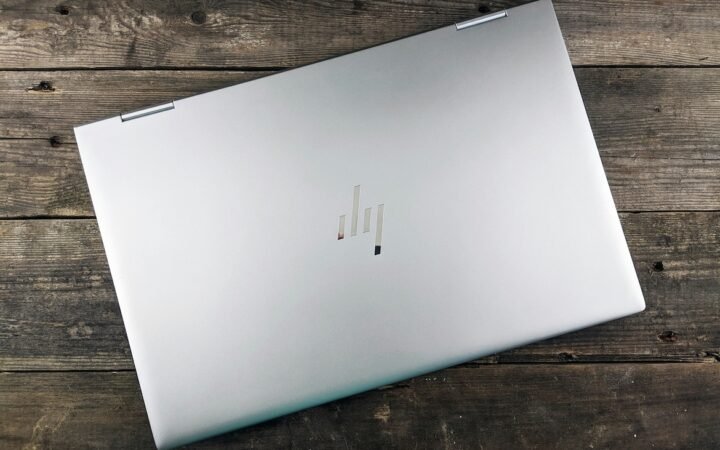
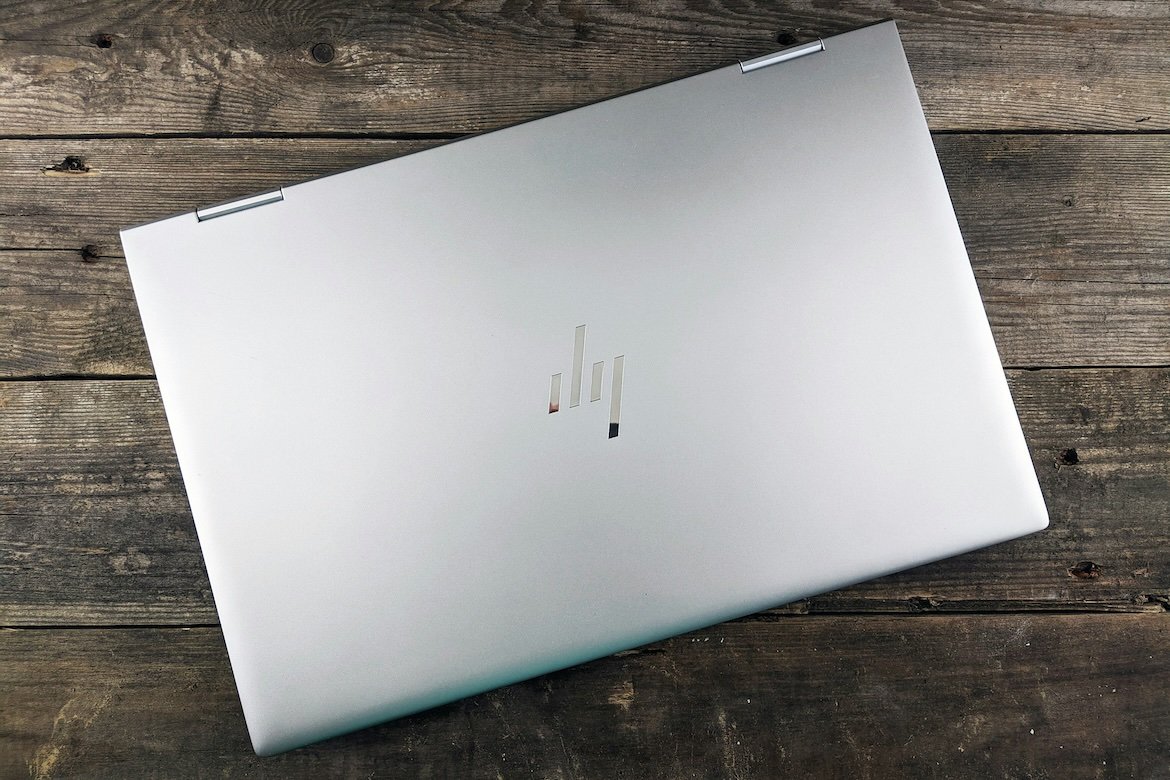
Manufacturers are officially beginning to scale back memory configurations in consumer devices, signaling a new phase of pressure in the global hardware supply chain. HP has become the first major PC maker to implement such changes, halving the amount of RAM in its new OmniBook 5 laptops compared with previous models.
The base version of the HP OmniBook 5 now ships with 8 gigabytes of RAM instead of 16 gigabytes, alongside a reduced processor configuration that drops from six to eight cores down to four. Despite the lower specifications, prices are not expected to decline and may even rise, according to industry analysts.
Manufacturers Are Cutting Specs
The move reflects growing shortages of key components, particularly memory, as suppliers prioritize higher-margin segments such as data centers and artificial intelligence infrastructure. Rising costs for RAM and storage have put pressure on consumer electronics margins, pushing manufacturers to reduce specifications rather than absorb higher input prices.
As previously covered, chipmakers and memory suppliers have increasingly redirected production capacity toward enterprise and AI workloads, where demand and pricing power remain stronger. This shift has left consumer device makers with tighter supply and less negotiating leverage.
For HP, trimming entry-level configurations allows the company to preserve margins while keeping headline prices competitive, even if performance takes a hit. Analysts note that similar adjustments are likely to follow across the industry as inventories tighten.
Consumers and the Market
The trend is expected to hit budget segments the hardest, with entry-level laptops, tablets, and smartphones facing reduced performance just as software becomes more resource-intensive. Experts warn that lower memory ceilings could shorten device lifespans and worsen the user experience, particularly for multitasking and AI-enabled applications.
At the same time, consumers may face higher prices despite downgraded specifications, effectively paying more for less hardware. This dynamic risks slowing upgrade cycles and could widen the performance gap between premium and budget devices.
Looking ahead, market watchers expect other manufacturers to adopt similar cost-saving measures if memory shortages persist into 2026. Unless supply conditions improve, reduced hardware specs may become the new norm across large parts of the consumer electronics market.
Silver surged to a historic high above $82 per ounce, posting its strongest performance since 1979 and overtaking Nvidia by market value amid an explosive commodities rally.
By Oleg PetrenkoUpdated
2 mins readSilver vaulted past $82 per ounce to a record high, delivering its best showing since 1979 and surpassing Nvidia in market value as the commodities rally intensified. Photo: Scottsdale Mint / Unsplash
Silver prices surged to an unprecedented high above $82 per ounce, marking one of the most dramatic rallies in modern commodity market history and cementing the metal’s position as a dominant global asset. The move represents an 8% gain in a single session and a staggering increase of more than 185% since the start of the year.
The rally has pushed silver’s total market value to approximately $4.65 trillion, surpassing Nvidia and making it the second most valuable asset globally. The metal is now delivering its strongest annual performance since 1979, a period historically associated with extreme supply-demand imbalances and macroeconomic instability.
Silver’s Historic Rally
The surge in silver prices reflects a convergence of structural supply constraints and surging demand across both investment and industrial channels. Mine output has struggled to keep pace after years of underinvestment, while inventories in major trading hubs have tightened sharply.
At the same time, investor demand has accelerated as silver increasingly trades in tandem with gold amid expectations of lower global interest rates. As previously covered, aggressive rate-cut bets by central banks have boosted appetite for hard assets, particularly those perceived as both inflation hedges and strategic materials.
Silver’s dual role as a precious and industrial metal has amplified the rally. Demand from renewable energy, electric vehicles, advanced electronics, and artificial intelligence infrastructure has continued to grow, creating competition between manufacturers and investors for limited supply.
Market Implications
Silver’s ascent to the world’s second-largest asset highlights a broader shift in global capital allocation toward commodities. The metal’s outperformance relative to major equities underscores investor concerns over stretched stock valuations and the durability of tech-led market gains.
The speed and scale of the rally have also raised questions about volatility and sustainability. While long-term fundamentals remain supportive, sharp daily moves suggest growing speculative participation, increasing the risk of abrupt corrections.
For markets, silver’s rise has reinforced bullish momentum across the broader commodities complex, drawing renewed attention to supply-chain vulnerabilities and the strategic importance of raw materials in an increasingly electrified global economy.
Whether silver can maintain its elevated status will depend on central bank policy, industrial demand trends, and the pace at which new supply can be brought online. For now, the metal’s resurgence marks a defining moment for commodity markets and investor sentiment alike.
Join our list to receive latest Blockchain, Crypto & Fintech news:
WordPress database error: [Table 'u752143311_Kem9N.wp_coingecko_coins' doesn't exist]
            SELECT coins.*, meta.post_id as post_id
            FROM `wp_coingecko_coins` coins
            INNER JOIN wp_postmeta meta ON (meta.meta_key = 'wpcf-coin-main-tag' AND meta.meta_value = coins.slug )
            ORDER BY market_cap_usd
            DESC LIMIT 9
 By Oleg Petrenko
Updated
2 mins read
By Oleg Petrenko
Updated
2 mins read