
Elon Musk is preparing to launch a new messaging platform, XChat, set to go live on April 17, marking a significant expansion of the X ecosystem into secure communications.
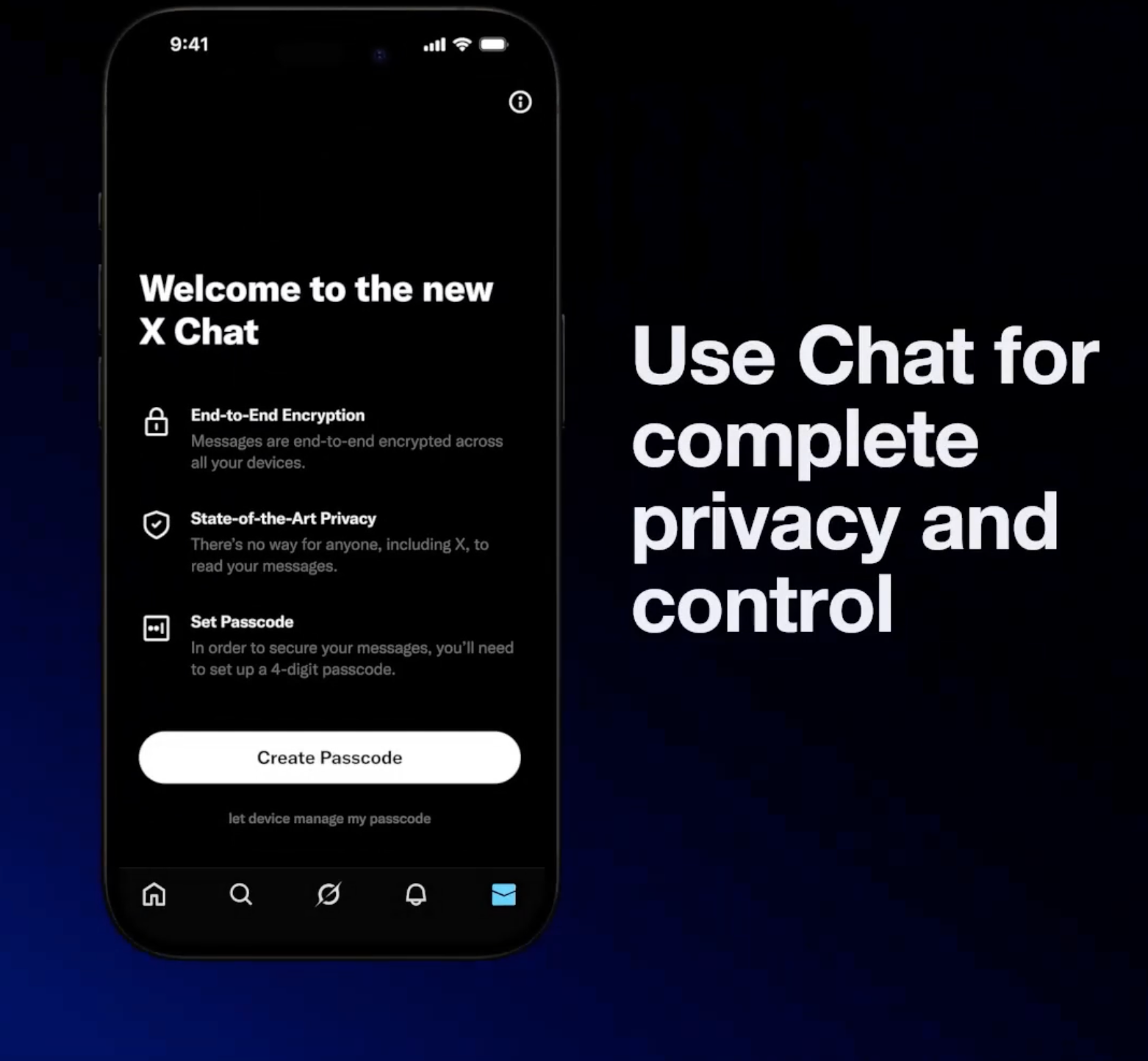
The new service will include encrypted messaging, voice and video calls, file sharing, and integration with existing X accounts, positioning it as a direct competitor to established messaging platforms.
The launch reflects Musk’s broader ambition to transform X into a multi-functional ‘everything app’.
Feature Set Focused on Privacy and Integration
XChat will offer end-to-end encrypted messaging, along with features such as message deletion for all participants and enhanced privacy controls.
Users will also be able to block screenshots and video recordings within chats, signaling a strong emphasis on data protection and user control. The platform is expected to support seamless integration with existing X accounts, allowing users to transition between social media and messaging within a single ecosystem. As previously covered, technology companies are increasingly prioritizing privacy features as competition intensifies in the messaging space.
However, an Android version has not yet been announced, which could limit early adoption across global markets.
Messaging Market
The launch of XChat positions X more directly against major messaging services, including encrypted platforms that dominate global communication.
For investors, the move highlights Musk’s strategy to expand X beyond social media into a broader digital infrastructure platform. If successful, XChat could increase user engagement and open new monetization opportunities through integrated services. At the same time, the platform will face significant competition and regulatory scrutiny, particularly around encryption and data security. The success of the rollout will depend on user adoption, feature reliability, and the company’s ability to scale the service globally.
As competition intensifies in digital communication, XChat represents a key step in Musk’s effort to redefine how users interact within a unified platform.