
Apple Unveils M5 MacBook Pro Lineup, New Displays and iPad Air as Hardware Push Continues

Apple introduced M5 Pro and M5 Max chips alongside updated MacBook Pro models focused on peak performance and on-device AI. The company also launched new Studio Displays, refreshed the iPad Air with M4, and revealed the iPhone 17e starting at $599.

By Emma Clarke | Edited by Oleg Petrenko Published:
Apple Unveils M5 MacBook Pro Lineup, New Displays and iPad Air as Hardware Push Continues
Apple unveiled its new M5 Pro and M5 Max chips with upgraded MacBook Pro models emphasizing top-tier performance and on-device AI capabilities. The company also introduced updated Studio Displays, a refreshed M4-powered iPad Air, and the iPhone 17e priced from $599. Photo: Apple

Apple unveiled a broad refresh of its hardware lineup, introducing new MacBook Pro models powered by M5 Pro and M5 Max chips, updated external displays, a refreshed iPad Air, and the new iPhone 17e. The announcements reinforce Apple’s strategy of driving performance upgrades while emphasizing advanced AI processing directly on device.

The new 14-inch MacBook Pro with M5 Pro starts at $2,199 in the U.S., while the 16-inch configuration with M5 Max reaches up to $3,899. Student pricing is available at lower entry points. Apple also introduced a new MacBook Air powered by the M5 chip, which maintains the same design as its predecessor but benefits from the upgraded silicon.

M5 Chips Focus on Performance and On-Device AI

The M5 Pro and M5 Max chips are positioned as performance-focused upgrades aimed at professionals working with AI models, high-end creative software, and demanding computational tasks. Apple emphasized enhanced neural engine capabilities and improved efficiency, reinforcing its push toward on-device AI rather than cloud-reliant processing.

Alongside the laptops, Apple launched updated Studio Display models, including a standard Studio Display priced at $1,600 and a higher-end Studio Display XDR at $3,300. The monitors are designed to complement the performance gains of the new MacBook Pro lineup.

As previously covered, Apple’s silicon strategy continues to differentiate it from competitors by tightly integrating hardware and software. The company is leaning into AI performance at the device level, positioning its chips as capable of handling advanced workloads without relying solely on external servers.

iPad Air M4 and iPhone 17e Expand Lineup

The company also introduced a new iPad Air powered by the M4 chip, marking the second major product reveal this week. The updated tablet now includes 12 GB of RAM, up from 8 GB previously, and integrates the N1 and C1X connectivity chips derived from recent iPhone models. It supports Wi-Fi 7 and maintains the same pricing structure, starting at $599 for the 11-inch 128 GB Wi-Fi version and reaching $1,449 for the 13-inch 1 TB cellular configuration.

In addition, Apple revealed the iPhone 17e, with the base model starting at $599 and offering 256 GB of storage as standard. Preorders open Wednesday, March 4, with retail availability beginning March 11.

The broad hardware refresh suggests Apple is prioritizing incremental but meaningful performance upgrades over radical redesigns. Investors will likely focus on whether AI-enhanced devices can drive upgrade cycles and sustain revenue momentum in a competitive consumer electronics market.


$1 Trillion Wiped From U.S. Stocks at Open as Global Markets Slide

Roughly $1 trillion in market value evaporated from U.S. equities shortly after the opening bell as global markets extended losses tied to escalating Middle East tensions. Futures across the U.S., Europe, and Asia moved sharply lower.

By Sophia Reynolds | Edited by Oleg Petrenko Published:
$1 Trillion Wiped From U.S. Stocks at Open as Global Markets Slide
About $1 trillion in market capitalization was wiped from U.S. equities soon after the opening bell as global markets deepened losses linked to escalating tensions in the Middle East. Futures in the U.S., Europe, and Asia all moved decisively lower. Photo: Dustin D. / Pexels

U.S. equities erased approximately $1 trillion in market capitalization shortly after the opening bell, intensifying a global selloff driven by escalating tensions in the Middle East. The sharp drop marks a steeper opening decline than the previous session, underscoring mounting investor anxiety.

The early losses reflect a broad risk-off move as markets react to geopolitical uncertainty and rising energy prices. Investors are rotating out of equities while bracing for continued volatility across asset classes.

U.S. Futures Extend Global Weakness

Yesterday’s session also opened in negative territory, though declines were more contained than today’s sharp drop. At that time, U.S. futures pointed to losses of about 1.5% for the Dow Jones Industrial Average and the S&P 500, while the Nasdaq fell roughly 1.7%.

European markets followed suit, with Germany’s DAX and France’s CAC both down more than 2%. In Asia, Japan’s Nikkei declined about 1.5%, and Hong Kong’s Hang Seng fell roughly 2%.

Notably, Tel Aviv’s market remained in positive territory despite broader regional tensions, reflecting localized investor dynamics and sector positioning.

Volatility Intensifies Across Regions

The scale of today’s U.S. opening loss $1 trillion in capitalization – signals a deepening repricing of risk. As previously covered, synchronized declines across the U.S., Europe, and Asia often reflect macro-driven flows rather than company-specific developments.

Market participants are closely watching oil prices, bond yields, and safe-haven flows for signs of stabilization. Elevated geopolitical risk premiums and rapid capital rotation are increasing intraday volatility, making sharp reversals more likely.

Analysts warn that if tensions continue to escalate, equity markets could remain under pressure in the near term. Conversely, any signs of de-escalation may trigger equally swift rebounds, given the scale of short-term positioning.

For now, global markets remain firmly in risk-off mode, with investors prioritizing capital preservation amid heightened uncertainty.

Gold Tops $5,400 After Aramco Strike Before Sharp Reversal in Metals

Gold surged above $5,400 after reports of a drone strike on Saudi Aramco’s largest refinery, triggering a rush into safe-haven assets. Within an hour, however, both gold and silver sharply reversed as volatility intensified.

By Nathan Cole | Edited by Oleg Petrenko Published:
Gold Tops $5,400 After Aramco Strike Before Sharp Reversal in Metals
Gold jumped above $5,400 following reports of a drone strike on Saudi Aramco’s largest refinery, sparking a flight to safe-haven assets. Within an hour, however, both gold and silver reversed sharply as market volatility accelerated. Photo: Zlaťáky.cz / Pexels

Gold prices surged past $5,400 per ounce early this morning after reports that an Iranian drone struck Saudi Arabia’s largest oil refinery operated by Saudi Aramco. The geopolitical escalation triggered an immediate rush into safe-haven assets, pushing precious metals sharply higher in early trading.

The spike underscored how quickly geopolitical shocks are being priced into commodities markets. Investors moved aggressively into gold and silver amid fears of energy supply disruptions and broader regional instability.

However, the rally proved short-lived as markets swung violently in both directions within the hour.

Initial Safe-Haven Surge

Following confirmation of the refinery strike, gold extended gains and briefly traded above the $5,400 threshold. Silver also jumped sharply in tandem, reflecting classic defensive positioning during geopolitical crises.

As previously covered, energy infrastructure attacks in the Middle East often fuel safe-haven demand in precious metals due to inflation and supply shock risks. The immediate reaction suggested traders were pricing in a potential escalation that could disrupt oil production and shipping routes.

The early surge added billions to the combined market capitalization of gold and silver within minutes.

Sharp Intraday Reversal

Yet within the last hour, the metals complex experienced a sudden and dramatic reversal. Spot silver prices plunged 7%, falling toward $88 per ounce, while gold dropped nearly $100 per ounce from its intraday peak.

The abrupt selloff highlights the extreme volatility now gripping commodities markets. Analysts point to profit-taking, leveraged position unwinds, and algorithmic trading flows as potential drivers of the sharp reversal.

Such rapid two-way swings suggest liquidity remains fragile, with markets highly sensitive to headlines and positioning. The speed of the decline indicates that some of the earlier surge may have been fueled by short-term speculative flows rather than sustained long-term demand.

Investors are now bracing for continued turbulence as geopolitical developments unfold. If tensions escalate further, safe-haven flows could resume just as quickly as they faded.

For now, the episode underscores the fragile equilibrium in global commodities markets where prices can spike on fear and reverse just as violently on shifting expectations.

Gold Surges, Oil Jumps 12% as U.S. Israel Iran Tensions Rattle Global Markets

Markets turned sharply volatile as escalating tensions between the U.S., Israel, and Iran drove investors into safe-haven assets. Gold neared record highs while oil spiked nearly 12%, and U.S. equity futures fell.

By Nathan Cole | Edited by Oleg Petrenko Published:
Gold Surges, Oil Jumps 12% as U.S. Israel Iran Tensions Rattle Global Markets
Markets swung sharply amid rising tensions between the U.S., Israel, and Iran, prompting investors to seek safety in defensive assets. Gold approached record levels, oil surged nearly 12%, and U.S. equity futures moved lower. Photo: Engin Akyurt / Pexels

Global markets swung sharply as escalating tensions between the United States, Israel, and Iran triggered a flight to safety and renewed fears of broader regional conflict. Investors rotated aggressively into precious metals while equity futures moved lower and energy prices surged.

Gold jumped between 2% and 2.5% in the first hour of trading, adding roughly $750 billion to its market capitalization and approaching its all-time high, now just 3.6% below the record. Silver also advanced, rising about 2.1% at one point and adding approximately $112 billion in market value.

The moves signal a rapid shift in investor positioning as geopolitical risk premiums re-enter global asset pricing.

Safe Havens Rally as Equities Slip

The surge in gold reflects renewed demand for defensive assets during periods of geopolitical instability. As previously covered, gold often benefits from uncertainty surrounding military conflict, currency volatility, and energy supply disruptions.

Meanwhile, U.S. equity futures turned negative. The S&P 500 fell 0.8%, the Nasdaq 100 declined 0.94%, and the Dow Jones Industrial Average dropped 1.26% in early trading. The selloff suggests investors are reducing exposure to risk assets amid uncertainty over potential escalation.

Energy markets reacted even more dramatically. Oil prices briefly surged nearly 12%, climbing toward $75 per barrel before partially retracing gains. The spike underscores concerns about potential supply disruptions in the Middle East, a region critical to global crude production and transport routes.

Bitcoin, often viewed as a speculative risk asset, remained resilient and held modest gains of around 1.5%, suggesting a more complex cross-asset reaction than in previous geopolitical episodes.

Volatility Expected to Intensify

Analysts warn that the coming week could be exceptionally volatile as markets digest geopolitical developments, energy price movements, and potential diplomatic responses. Sudden shifts in headlines could drive sharp intraday reversals across commodities, equities, and digital assets.

The combination of rising oil prices and falling equity futures also introduces inflationary concerns, as sustained energy spikes could complicate central bank policy expectations.

For now, the immediate reaction reflects classic risk-off dynamics: capital flowing into gold, defensive positioning in commodities, and cautious sentiment in equities. Whether the volatility persists will depend on the trajectory of the conflict and the extent of global diplomatic engagement.

Investors are bracing for rapid swings as geopolitical risk once again becomes a dominant market driver.

Netflix Walks Away From Warner Bros. Discovery Deal as Paramount Wins $111B Bid

Netflix exited its months-long pursuit of Warner Bros. Discovery after Paramount Skydance submitted a higher $31-per-share offer. Netflix shares jumped more than 10% as investors welcomed the decision and a $2.8 billion breakup fee.

By Emma Clarke | Edited by Oleg Petrenko Published:
Netflix Walks Away From Warner Bros. Discovery Deal as Paramount Wins $111B Bid
Netflix ended its months-long bid for Warner Bros. Discovery after Paramount Skydance put forward a higher $31-per-share offer. Shares of Netflix rose more than 10% as investors applauded the move and the $2.8 billion breakup fee. Photo: Oleg Petrenko / MarketSpeaker

Netflix has withdrawn from its months-long effort to acquire Warner Bros. Discovery after the target’s board determined that a revised offer from Paramount Skydance was superior. Paramount’s bid of $31 per share ultimately prevailed, valuing the transaction at approximately $111 billion.

Netflix declined to raise its offer above $27.75 per share, opting instead to step away from the bidding process. The decision triggered a sharp rally in Netflix shares, which surged more than 10% intraday as investors reacted positively to the company’s capital discipline.

Under the terms of the agreement, Netflix will receive a $2.8 billion breakup fee, cushioning the financial impact of abandoning the deal.

Why Netflix stepped back

The acquisition would have significantly expanded Netflix’s content library and studio assets, potentially strengthening its competitive position in the global streaming wars. However, analysts say the escalating price tag raised concerns about valuation, integration risk, and balance-sheet strain.

By refusing to overpay, Netflix signaled a shift toward financial prudence after years of aggressive expansion across original content and international markets. As previously covered, investors have grown more sensitive to large-scale media mergers amid rising interest rates and shifting consumer demand.

The board of Warner Bros. Discovery determined that Paramount Skydance’s revised $31-per-share proposal offered greater value to shareholders, effectively ending Netflix’s pursuit.

Market participants interpreted Netflix’s withdrawal as a disciplined move that preserves capital flexibility rather than a strategic setback.

Implications for streaming and media markets

The outcome reshapes the competitive landscape in global media. Paramount Skydance’s successful $111 billion bid positions it as a dominant force in studio and streaming assets, potentially intensifying competition across film, television, and direct-to-consumer platforms.

For Netflix, the rally in shares suggests investors prefer organic growth and selective partnerships over large, debt-heavy acquisitions. The $2.8 billion breakup fee further strengthens its liquidity position, providing additional resources for content investment or shareholder returns.

The deal also underscores how consolidation in the media industry remains active, even as valuations fluctuate. Streaming platforms continue to seek scale and intellectual property to defend margins and subscriber growth in a saturated market.

Looking ahead, analysts expect Netflix to refocus on subscriber expansion, advertising-tier growth, and international penetration rather than transformative M&A. The episode may mark a turning point in how the company approaches strategic acquisitions.

For now, the market’s message is clear: discipline over dominance. By walking away, Netflix avoided a costly bidding war and investors rewarded the decision.

Nvidia Posts Record $68.1 Billion Q4 Revenue as AI Demand Drives 94% Profit Surge

Nvidia reported record fourth-quarter revenue of $68.1 billion, up 73% year over year, as artificial intelligence demand continued to fuel explosive growth. Net income surged 94% to $43 billion, well above analyst expectations.

By Sophia Reynolds | Edited by Oleg Petrenko Published:
Nvidia Posts Record $68.1 Billion Q4 Revenue as AI Demand Drives 94% Profit Surge
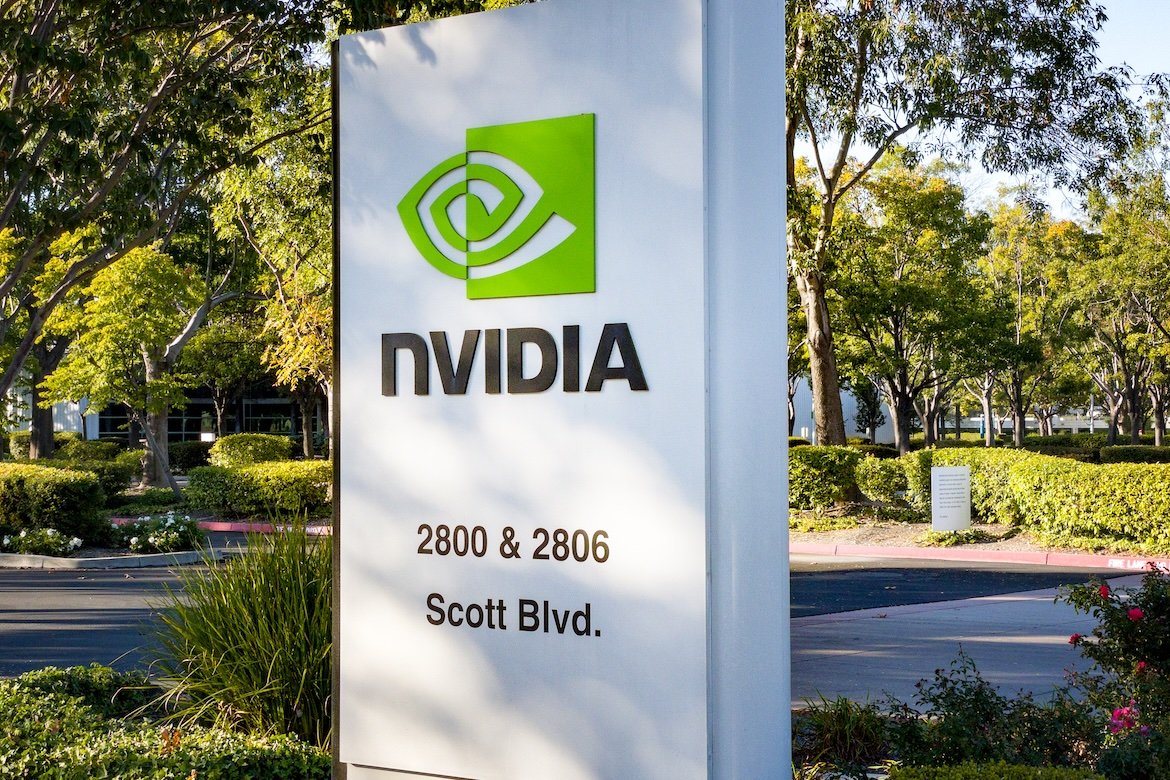
Nvidia reported record fourth-quarter revenue of $68.1 billion, up 73% year over year, as AI demand fueled explosive growth. Net income jumped 94% to $43 billion, far exceeding analyst expectations. Photo: Will Buckner / Wikimedia

Nvidia posted record fourth-quarter revenue of $68.1 billion, a 73% increase from a year earlier, as demand for artificial intelligence infrastructure continued to surge. Net income climbed 94% year over year to $43 billion, significantly surpassing analyst expectations and reinforcing Nvidia’s dominance in the AI hardware market.

The results highlight the scale of the AI-driven capital expenditure cycle, with hyperscale cloud providers and enterprise customers continuing to invest heavily in high-performance computing capacity. Nvidia’s earnings not only exceeded consensus forecasts but also extended its streak of outsized quarterly beats during the AI boom.

AI Data Center Demand Powers Growth

The company’s data center segment once again accounted for the majority of revenue growth. Demand for advanced GPUs used in training and deploying large language models remained robust, supported by sustained investment from major cloud platforms and AI startups.

Management emphasized that AI infrastructure spending remains in its early stages. As previously covered, the global buildout of AI capacity is expected to span multiple years, with Nvidia positioned at the center of that expansion.

Gross margins remained elevated, reflecting strong pricing power and favorable product mix. Analysts noted that few companies at Nvidia’s scale are able to sustain both rapid top-line growth and expanding profitability simultaneously.

The company also highlighted continued strength in networking and AI software ecosystems, reinforcing its strategy of integrating hardware, systems, and software into a unified platform.

Investor Reaction and Market Implications

Investors responded positively to the report, viewing the results as validation that AI spending has not meaningfully slowed despite broader market volatility. The earnings beat provided support not only to Nvidia shares but also to the broader semiconductor and AI supply chain sectors.

With revenue up 73% and profits up 94%, Nvidia’s growth trajectory remains exceptional relative to the broader technology industry. The scale of earnings — $43 billion in a single quarter — underscores how central the company has become to the global AI ecosystem.

However, analysts caution that expectations remain elevated. As AI-related valuations stretch across markets, Nvidia faces increasing scrutiny regarding sustainability of growth rates and potential competitive pressures from rivals.

For now, the company’s performance suggests that AI demand remains structurally strong. If capital expenditures by major technology companies continue at current levels, Nvidia may remain one of the primary beneficiaries of the ongoing AI investment cycle.

The quarter reinforces a broader market narrative: while concerns about an AI bubble persist, Nvidia’s financial results continue to provide concrete evidence of real revenue, real profits, and sustained demand at unprecedented scale.