Deprecated: rtrim(): Passing null to parameter #1 ($string) of type string is deprecated in /home/u752143311/domains/marketspeaker.com/public_html/wp-includes/formatting.php on line 2829
Deprecated: rtrim(): Passing null to parameter #1 ($string) of type string is deprecated in /home/u752143311/domains/marketspeaker.com/public_html/wp-includes/formatting.php on line 2829
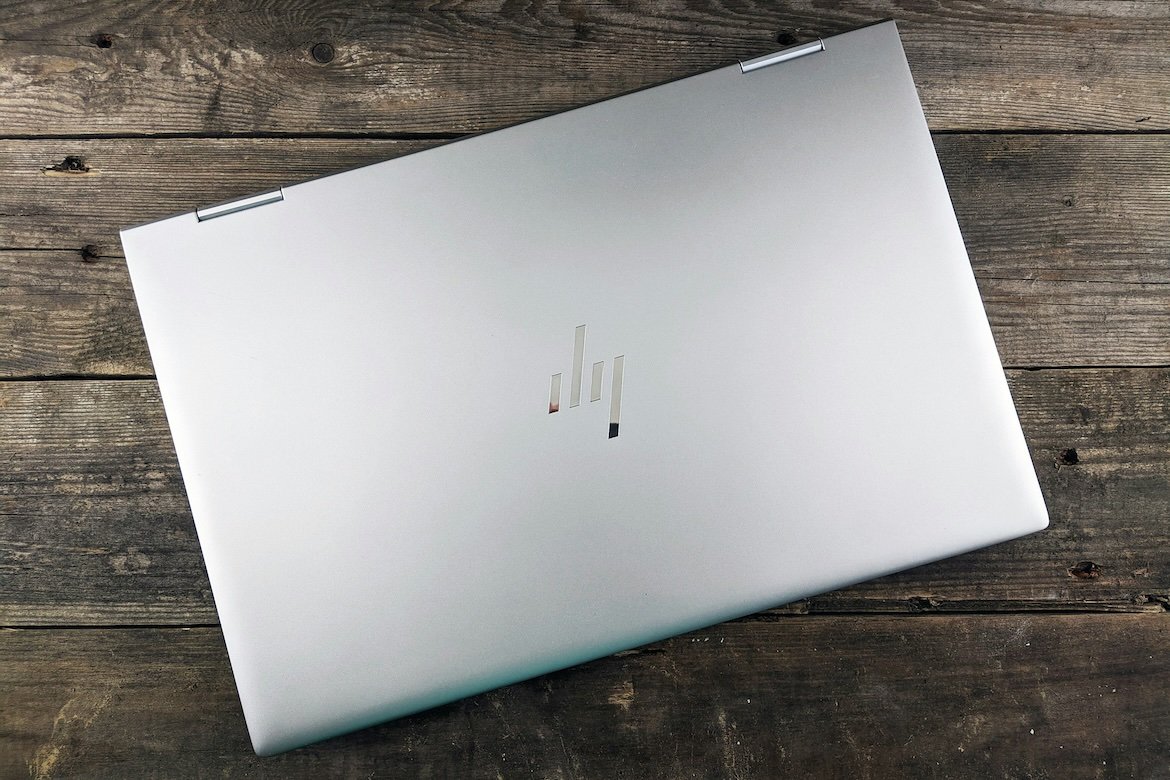
Hardware manufacturers are starting to reduce memory and performance in new devices, with HP becoming the first major brand to halve RAM in its latest laptop lineup amid growing component shortages.
By Oleg PetrenkoUpdated
2 mins readHardware makers are beginning to scale back memory and performance in new products, with HP emerging as the first major brand to cut RAM in half in its latest laptops as component shortages intensify. Photo: Andrey Matveev / Unsplash
Manufacturers are officially beginning to scale back memory configurations in consumer devices, signaling a new phase of pressure in the global hardware supply chain. HP has become the first major PC maker to implement such changes, halving the amount of RAM in its new OmniBook 5 laptops compared with previous models.
The base version of the HP OmniBook 5 now ships with 8 gigabytes of RAM instead of 16 gigabytes, alongside a reduced processor configuration that drops from six to eight cores down to four. Despite the lower specifications, prices are not expected to decline and may even rise, according to industry analysts.
Manufacturers Are Cutting Specs
The move reflects growing shortages of key components, particularly memory, as suppliers prioritize higher-margin segments such as data centers and artificial intelligence infrastructure. Rising costs for RAM and storage have put pressure on consumer electronics margins, pushing manufacturers to reduce specifications rather than absorb higher input prices.
As previously covered, chipmakers and memory suppliers have increasingly redirected production capacity toward enterprise and AI workloads, where demand and pricing power remain stronger. This shift has left consumer device makers with tighter supply and less negotiating leverage.
For HP, trimming entry-level configurations allows the company to preserve margins while keeping headline prices competitive, even if performance takes a hit. Analysts note that similar adjustments are likely to follow across the industry as inventories tighten.
Consumers and the Market
The trend is expected to hit budget segments the hardest, with entry-level laptops, tablets, and smartphones facing reduced performance just as software becomes more resource-intensive. Experts warn that lower memory ceilings could shorten device lifespans and worsen the user experience, particularly for multitasking and AI-enabled applications.
At the same time, consumers may face higher prices despite downgraded specifications, effectively paying more for less hardware. This dynamic risks slowing upgrade cycles and could widen the performance gap between premium and budget devices.
Looking ahead, market watchers expect other manufacturers to adopt similar cost-saving measures if memory shortages persist into 2026. Unless supply conditions improve, reduced hardware specs may become the new norm across large parts of the consumer electronics market.
Silver surged to a historic high above $82 per ounce, posting its strongest performance since 1979 and overtaking Nvidia by market value amid an explosive commodities rally.
By Oleg PetrenkoUpdated
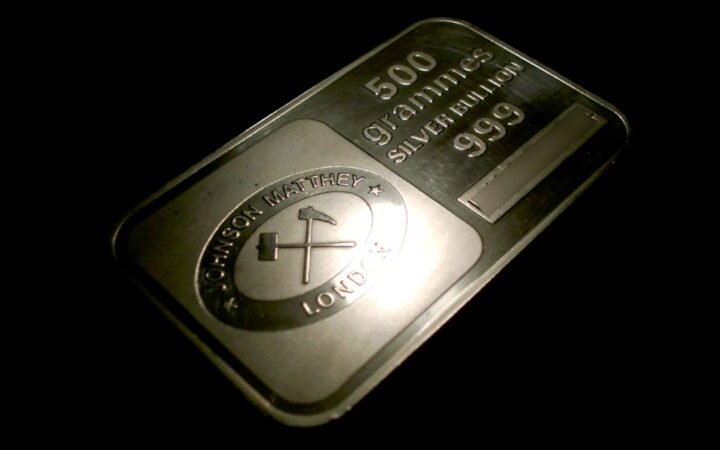
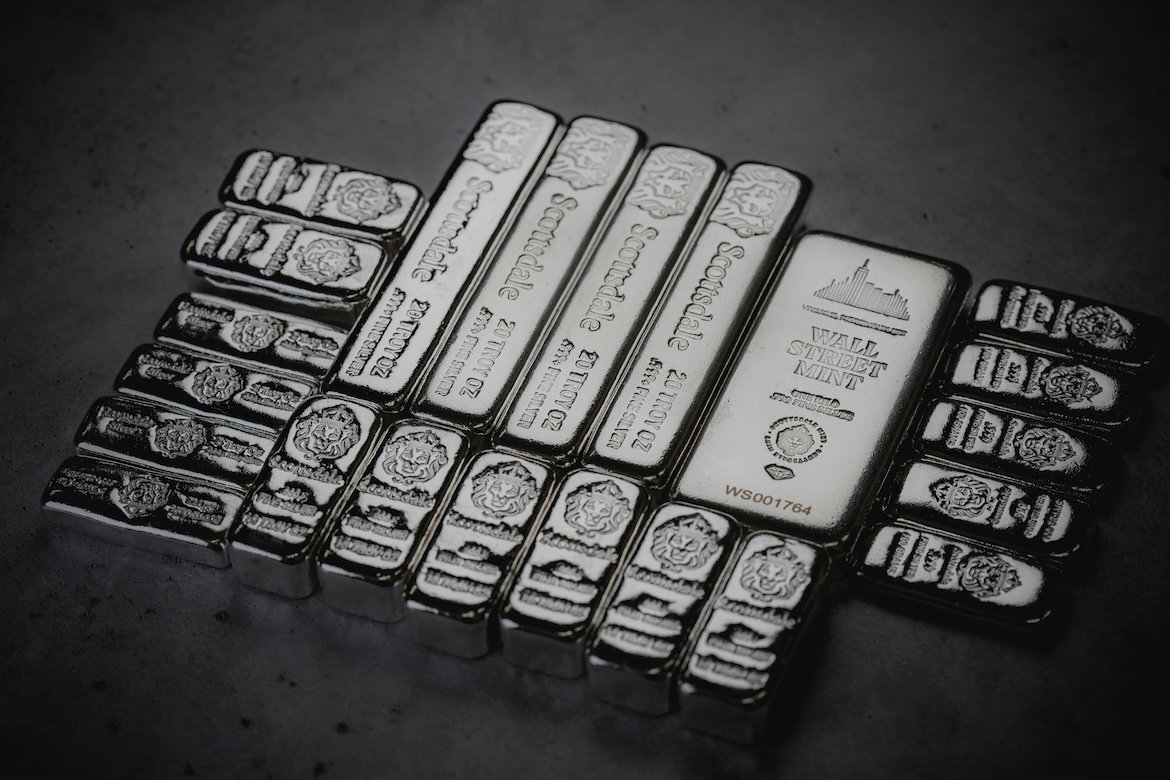
2 mins readSilver vaulted past $82 per ounce to a record high, delivering its best showing since 1979 and surpassing Nvidia in market value as the commodities rally intensified. Photo: Scottsdale Mint / Unsplash
Silver prices surged to an unprecedented high above $82 per ounce, marking one of the most dramatic rallies in modern commodity market history and cementing the metal’s position as a dominant global asset. The move represents an 8% gain in a single session and a staggering increase of more than 185% since the start of the year.
The rally has pushed silver’s total market value to approximately $4.65 trillion, surpassing Nvidia and making it the second most valuable asset globally. The metal is now delivering its strongest annual performance since 1979, a period historically associated with extreme supply-demand imbalances and macroeconomic instability.
Silver’s Historic Rally
The surge in silver prices reflects a convergence of structural supply constraints and surging demand across both investment and industrial channels. Mine output has struggled to keep pace after years of underinvestment, while inventories in major trading hubs have tightened sharply.
At the same time, investor demand has accelerated as silver increasingly trades in tandem with gold amid expectations of lower global interest rates. As previously covered, aggressive rate-cut bets by central banks have boosted appetite for hard assets, particularly those perceived as both inflation hedges and strategic materials.
Silver’s dual role as a precious and industrial metal has amplified the rally. Demand from renewable energy, electric vehicles, advanced electronics, and artificial intelligence infrastructure has continued to grow, creating competition between manufacturers and investors for limited supply.
Market Implications
Silver’s ascent to the world’s second-largest asset highlights a broader shift in global capital allocation toward commodities. The metal’s outperformance relative to major equities underscores investor concerns over stretched stock valuations and the durability of tech-led market gains.
The speed and scale of the rally have also raised questions about volatility and sustainability. While long-term fundamentals remain supportive, sharp daily moves suggest growing speculative participation, increasing the risk of abrupt corrections.
For markets, silver’s rise has reinforced bullish momentum across the broader commodities complex, drawing renewed attention to supply-chain vulnerabilities and the strategic importance of raw materials in an increasingly electrified global economy.
Whether silver can maintain its elevated status will depend on central bank policy, industrial demand trends, and the pace at which new supply can be brought online. For now, the metal’s resurgence marks a defining moment for commodity markets and investor sentiment alike.
After selling his family-owned manufacturing company, the CEO of Fibrebond surprised employees with a $240 million bonus pool, turning a corporate exit into a rare wealth-sharing moment.
By Oleg PetrenkoUpdated
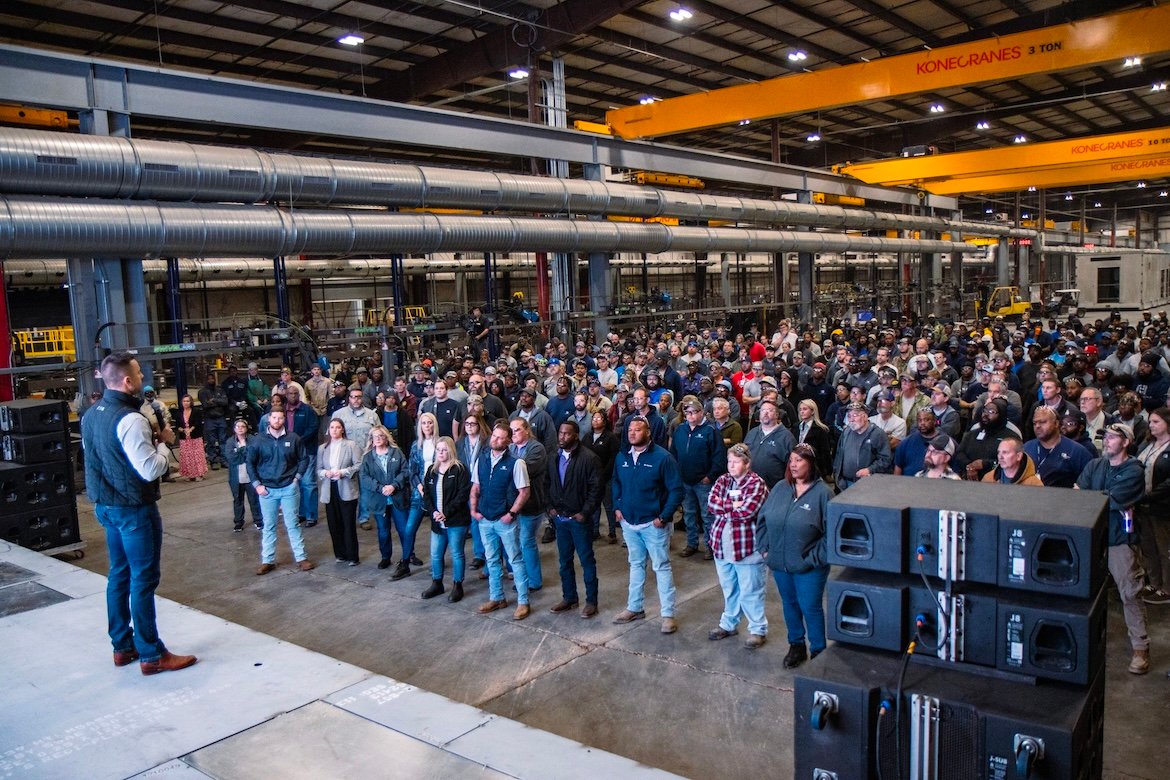
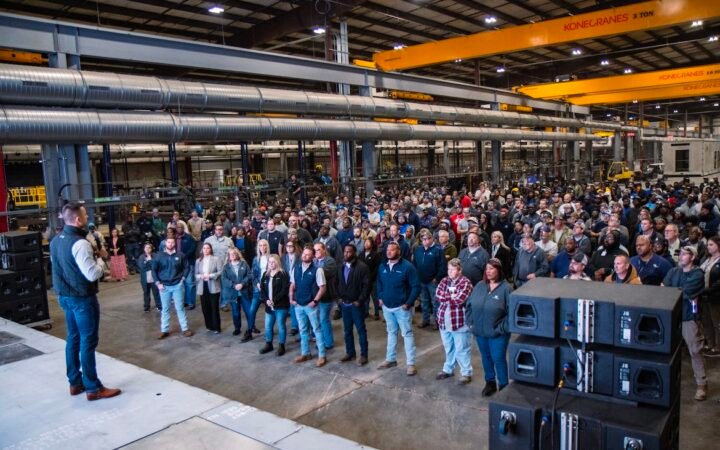
3 mins readAfter selling the family-owned manufacturing firm Fibrebond, its CEO stunned employees by setting aside $240 million for bonuses, transforming a typical corporate exit into an uncommon act of shared wealth. Photo: Fibrebond / Facebook
The sale of a family-owned manufacturing firm has turned into an extraordinary payday for its workforce, after Fibrebond’s chief executive chose to share a significant portion of the proceeds with employees. Following the transaction, the CEO allocated $240 million for staff bonuses, resulting in average payouts of about $443,000 per employee just ahead of the holiday season.
The move stands out in an era when mergers and acquisitions often reward executives and shareholders far more than rank-and-file workers. Instead of limiting compensation to traditional severance or retention packages, the Fibrebond leadership opted for a broad-based distribution designed to recognize long-term loyalty and contribution.
Why the CEO chose to share the proceeds
Fibrebond, a U.S.-based manufacturer specializing in engineered building solutions, had remained under family control for decades. When the company was sold, management faced a familiar crossroads: maximize personal returns or find a way to acknowledge the employees who helped build the business over generations.
According to people familiar with the decision, the CEO viewed the transaction as the culmination of a collective effort rather than an individual achievement. By carving out $240 million from the sale proceeds, the company effectively transformed a private equity-style exit into a shared milestone.
The CEO described the bonuses as a long-term gesture rather than a publicity move, saying he hoped to one day hear how the payouts changed employees’ lives – from buying homes and funding education to achieving financial security that might otherwise have been out of reach.
Such generosity is rare but not entirely unprecedented. As previously covered, a small number of founders in recent years have embraced employee wealth-sharing as a way to preserve company culture even after ownership changes. Still, the scale of Fibrebond’s payouts places it among the most significant examples to date.
Implications for workers and corporate culture
For employees, the bonuses represent far more than a one-time financial gain. Average payouts approaching half a million dollars can meaningfully alter household balance sheets, reduce debt burdens, and provide investment capital that compounds over time.
From a broader market perspective, the decision has reignited debate around stakeholder capitalism and how value is distributed during corporate exits. Critics argue such moves are unsustainable or symbolic, while supporters say they demonstrate that employee-aligned outcomes are possible without undermining deal economics.
The transaction may also influence how future family-owned businesses approach succession planning. In tight labor markets and industries struggling with retention, profit-sharing at exit could become a differentiator – particularly for founders concerned about legacy as much as valuation.
While Fibrebond’s sale is unlikely to reset norms across private markets, it offers a powerful counterexample to the idea that workers are inevitably left behind in major deals. In this case, the closing of one chapter created life-changing opportunities for hundreds of employees.
Nvidia has agreed to acquire AI chip startup Groq for about $20 billion, marking the largest acquisition in its history as it accelerates its push to dominate next-generation AI hardware.
By Oleg PetrenkoUpdated
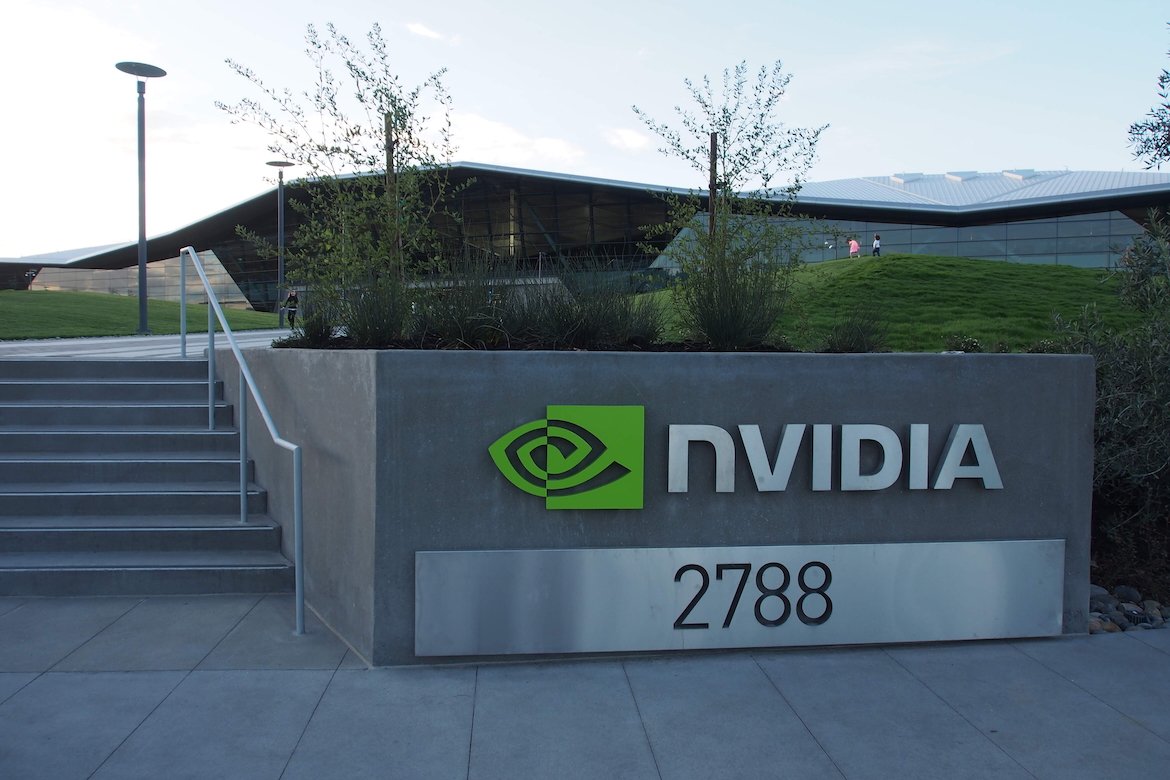
2 mins readNvidia has struck a roughly $20 billion deal to acquire AI chip startup Groq, its biggest acquisition to date, as the company intensifies efforts to lead the next wave of AI hardware. Photo: Daniel J. Prostak / Wikimedia
Nvidia has agreed to acquire Groq, a high-performance artificial intelligence chip startup, for approximately $20 billion, marking the largest acquisition in the company’s history. The deal highlights Nvidia’s determination to expand beyond GPUs and secure leadership in custom AI accelerators as competition intensifies across data centers and cloud computing.
Groq specializes in chips designed for ultra-fast AI inference, positioning itself as a potential alternative to traditional GPU-based systems. The acquisition comes as global demand for AI computing power continues to surge, driven by generative AI, large language models, and enterprise automation.
Why Nvidia Is Making the Move
Nvidia’s dominance in AI training hardware has made it one of the most valuable companies in the world, but rivals have been racing to develop specialized chips optimized for inference and energy efficiency. Groq’s architecture focuses on predictable performance and low latency, areas increasingly critical as AI models move from experimentation into real-world deployment.
As previously covered, cloud providers and governments are pouring billions into AI infrastructure, creating pressure for Nvidia to broaden its product portfolio. By acquiring Groq, Nvidia gains proprietary technology that could complement its existing GPUs and strengthen its position against emerging competitors in custom silicon.
The $20 billion price tag reflects both Groq’s strategic value and the premium investors are placing on AI-related assets. For Nvidia, the deal represents a calculated bet that demand for specialized AI chips will continue to expand rapidly over the next decade.
Market and Industry Implications
The acquisition signals further consolidation in the AI semiconductor space, where scale, capital, and ecosystem control are becoming decisive advantages. Nvidia’s move may prompt rivals to accelerate their own mergers or in-house chip development to avoid falling behind.
For investors, the deal reinforces Nvidia’s long-term growth narrative, though it also raises questions about integration risks and valuation discipline at a time when AI-related assets are commanding record multiples. Regulators are also likely to scrutinize the transaction given Nvidia’s already significant influence over AI hardware markets.
If approved, the Groq acquisition could reshape competitive dynamics in AI inference, strengthen Nvidia’s end-to-end AI platform, and further entrench its role as the backbone supplier of the global AI economy.
Italy’s antitrust authority has fined Apple €98 million, ruling that its App Tracking Transparency rules unfairly disadvantage third-party developers while favoring Apple’s own apps.
By Oleg PetrenkoUpdated
3 mins readItaly’s competition watchdog has imposed a €98 million fine on Apple, finding that its App Tracking Transparency policy places disproportionate burdens on third-party developers while giving Apple’s own apps preferential treatment. Photo: Carles Rabada / Unsplash
Apple has been hit with a €98 million ($116 million) antitrust fine in Italy after regulators concluded that its app privacy framework unfairly disadvantages third-party developers operating on the App Store. The decision marks another escalation in Europe’s scrutiny of how Big Tech platforms balance user privacy with competition.
Italy’s Competition Authority ruled that Apple abused its dominant position by imposing what it called “excessively burdensome” data-consent requirements on external developers, while applying more lenient standards to its own apps. The ruling centers on Apple’s App Tracking Transparency policy, introduced in 2021, which reshaped digital advertising across the mobile ecosystem.
Why regulators took action
Under the App Tracking Transparency framework, third-party apps must prompt users twice for permission to track their activity across apps and websites. Apple’s own iOS apps, however, can obtain similar consent with a single tap. According to Italian regulators, this asymmetry goes beyond what is required under European privacy law.
The authority argued that the additional friction significantly reduced user consent rates for third-party apps, particularly those reliant on advertising-based business models. Lower opt-in rates translated into weaker ad targeting, reduced revenues, and a competitive disadvantage for developers that depend on personalized advertising.
Regulators said the issue was not the existence of stricter privacy protections, but the unequal application of those protections. By exempting its own services from the same standards imposed on rivals, Apple was found to have distorted competition within its ecosystem.
Market and industry implications
The ruling adds pressure on Apple as European authorities increasingly challenge platform practices that blend privacy, competition, and self-preferencing. Similar concerns have been raised under the EU’s Digital Markets Act, which aims to curb the power of so-called gatekeeper companies.
For app developers, the decision could strengthen arguments that privacy rules must be applied consistently across platforms. Advertising-dependent businesses, particularly smaller developers, have long argued that Apple’s policies reshaped the mobile ad market in ways that disproportionately benefit Apple’s own services.
For Apple, the fine is modest relative to its financial scale, but the precedent is more significant. Regulators have ordered the company to outline how it will bring its practices into compliance or risk additional penalties. The case underscores a broader shift in Europe toward tighter enforcement of competition rules against large technology firms, even when policies are framed around user protection.
As previously covered, similar regulatory actions across the EU suggest that scrutiny of app stores and digital advertising models is likely to intensify in the years ahead.
Honda has agreed to acquire LG Energy Solution’s battery manufacturing assets in Ohio for $2.9 billion, strengthening its control over electric vehicle production in North America.
By Oleg PetrenkoUpdated
3 mins readHonda has struck a $2.9 billion deal to purchase LG Energy Solution’s battery production assets in Ohio, tightening its grip on the electric vehicle supply chain in North America. Photo: Oleg Petrenko / MarketSpeaker
Honda Motor has reached an agreement to purchase battery manufacturing assets from LG Energy Solution in Ohio for $2.9 billion, marking a major step in the Japanese automaker’s effort to lock down critical electric vehicle supply chains in the United States.
The transaction involves facilities that were initially developed as part of a joint venture between Honda and LG Energy Solution. Once completed, Honda will assume full ownership and operational control of the Ohio battery assets, which are expected to play a central role in the company’s North American EV rollout.
The deal underscores the growing urgency among global automakers to secure localized battery production as electric vehicle demand accelerates and geopolitical pressures reshape industrial strategy.
Honda Is Taking Full Control
Honda’s move reflects mounting pressure on automakers to reduce dependence on overseas battery supply, particularly from Asia. By consolidating ownership of the Ohio facilities, Honda gains greater flexibility over production schedules, technology integration, and cost management.
Battery manufacturing is one of the most capital-intensive and strategically sensitive parts of the EV value chain. Controlling the assets allows Honda to better align battery output with its vehicle production plans while responding more quickly to shifts in demand and regulation.
The acquisition also positions Honda to maximize benefits from U.S. industrial policy. Domestic battery production qualifies for incentives tied to clean energy and manufacturing initiatives, which aim to strengthen local supply chains and reduce exposure to global disruptions.
As previously covered, automakers have increasingly favored outright ownership over joint ventures to protect intellectual property and streamline decision-making as competition in EVs intensifies.
Implications for the EV Market
The $2.9 billion deal highlights how aggressively traditional automakers are investing to catch up with EV leaders. Securing battery assets reduces long-term operational risk but raises near-term capital commitments at a time when margins across the auto industry remain under pressure.
For investors, the transaction signals Honda’s commitment to scaling EV production in the U.S., even as pricing competition intensifies and demand growth shows signs of unevenness across regions. The move may weigh on free cash flow in the short term, but it strengthens Honda’s strategic position as battery availability becomes a key differentiator.
The deal also reflects a broader shift in the global auto sector toward vertical integration, with companies seeking tighter control over critical technologies amid trade tensions, tariffs, and regulatory scrutiny.
If approved by regulators, the transaction is expected to close in 2026, aligning with Honda’s timeline for expanding its U.S. electric vehicle lineup and increasing localized manufacturing capacity.
Fresnillo Plc has emerged as one of the world’s top-performing stocks in 2025, delivering gains that outpaced even the historic rallies in gold and silver.
By Oleg PetrenkoUpdated
3 mins readFresnillo Plc has become one of the strongest-performing equities of 2025, posting returns that have surpassed even the record-breaking rallies in gold and silver. Photo: Oleg Petrenko / MarketSpeaker
Fresnillo Plc has become one of the standout equity stories of 2025, with its shares climbing roughly 426% year-to-date and outperforming even the surging gold and silver markets. The Mexican precious metals producer has ranked among the world’s most profitable assets this year, benefiting from a powerful combination of soaring commodity prices and improving company fundamentals.
The rally has pushed Fresnillo’s market performance well beyond that of physical gold and silver, both of which have hit record highs amid expectations of global interest rate cuts, geopolitical uncertainty, and strong investment demand for hard assets. Investors have increasingly favored mining equities with operational leverage to rising metal prices, and Fresnillo has been a prime beneficiary.
Fresnillo’s Stock Has Exploded Higher
Fresnillo’s gains reflect both macro tailwinds and company-specific strengths. The surge in precious metals prices has sharply improved revenue visibility for miners, while Fresnillo’s relatively low debt levels have made it more attractive in a volatile rate environment. The company maintains a conservative balance sheet, with a low debt-to-equity ratio that reduces refinancing risk and boosts confidence in long-term cash flow generation.
Operationally, Fresnillo has delivered strong net profit growth, supported by disciplined cost controls and stable production volumes. This financial resilience has distinguished the company from peers that struggle with higher leverage or rising operating costs. As previously covered, investors have increasingly rotated into miners with cleaner balance sheets as metal prices accelerate.
The stock’s momentum has also been amplified by rising investor interest in equities offering direct exposure to gold and silver without the storage or liquidity constraints of physical holdings. Fresnillo’s scale and liquidity have positioned it as a preferred proxy for precious metals exposure.
For Investors
The sharp rise in Fresnillo shares underscores the extent to which equity markets are rewarding miners during the current commodities supercycle. While the gains have been extraordinary, analysts caution that volatility remains a defining feature of mining stocks, particularly if metal prices correct or cost pressures re-emerge.
Still, Fresnillo’s performance highlights a broader trend: investors are increasingly selective within the commodities space, favoring producers with strong financial health and operational discipline. With gold and silver continuing to attract capital amid uncertainty around interest rates and global growth, miners like Fresnillo could remain in focus.
Looking ahead, the sustainability of the rally will depend on metal price dynamics, production execution, and broader risk sentiment. For now, Fresnillo stands as one of the clearest examples of how equity markets can amplify commodity-driven upside when fundamentals align.
Nestlé has sold its remaining 40% stake in European meat brand Herta, fully exiting the joint venture as it sharpens focus on core food categories.
By Oleg PetrenkoUpdated
2 mins readNestlé has divested its final 40% holding in the European meat brand Herta, completing its exit from the joint venture as it refocuses on core food businesses. Photo: inma santiago / Xunsplash
Nestlé has completed its exit from Herta after selling its remaining 40% stake in the European processed meat brand to long-time partner Casa Tarradellas, formally ending their joint venture.
The transaction marks the conclusion of a partnership that dates back decades and reflects Nestlé’s broader effort to streamline its portfolio and concentrate on core businesses with higher margins and stronger growth prospects. Financial terms of the deal were not disclosed.
Why Nestlé Is Exiting the Business
The Swiss food giant has been steadily reshaping its operations in recent years, reducing exposure to slower-growing or non-core segments. Processed meat has increasingly fallen outside Nestlé’s strategic priorities as the company pivots toward categories such as nutrition, pet care, coffee, and premium food products.
Herta, best known for packaged cold cuts and sausages across Europe, had already been majority-owned by Casa Tarradellas, a Spanish family-owned food group with deep roots in the meat industry. By acquiring full control, Casa Tarradellas gains greater operational flexibility and strategic independence.
Nestlé has been under pressure from investors to improve efficiency and returns, particularly as input costs, wage inflation, and shifting consumer preferences weigh on traditional packaged food categories. Divestments like Herta allow the company to recycle capital into areas aligned with long-term consumption trends.
What the Deal Means for Both Companies
For Casa Tarradellas, full ownership of Herta simplifies governance and enables faster decision-making in a highly competitive European food market. The company can now pursue product development and regional expansion without the constraints of a joint-venture structure.
For Nestlé, the sale reinforces management’s commitment to portfolio discipline. The group has signaled that further adjustments remain possible as it continues to assess brand performance across regions.
As previously covered, Nestlé has been prioritizing margin resilience and organic growth after a period of price-driven revenue gains. Analysts view exits from mature businesses as a necessary step to support future earnings stability.
The move also highlights a broader trend among global consumer goods companies, which are increasingly shedding legacy assets to focus on scalable brands with global reach and stronger pricing power.
Spot silver climbed to $70 per ounce for the first time ever, extending a powerful rally driven by supply shortages, strong investment demand, and spillover momentum from gold.
By Oleg PetrenkoUpdated
2 mins readSpot silver surged to a record $70 an ounce, prolonging a sharp rally fueled by tight supply, robust investor appetite, and continued strength in gold. Photo: Scottsdale Mint / Unsplash
Spot silver surged to an all-time high of $70 per ounce, extending a rally that has reshaped the precious metals market and pushed the metal firmly into record territory. The move caps a year of accelerating gains as investors chase supply-constrained assets amid shifting macroeconomic and trade dynamics.
Silver has now significantly outperformed many traditional assets, benefiting from both its role as a precious metal and its growing importance in industrial applications, including renewable energy, electronics, and electric vehicles.
Silver Is Rallying
The latest surge reflects a convergence of tightening physical supply and strong speculative demand. Global mine output has struggled to keep pace with consumption, while disruptions at key production sites have further strained availability. At the same time, inventories in major trading hubs have continued to decline, leaving little buffer against demand shocks.
Investor positioning has also played a critical role. With gold already trading near historic highs, capital has increasingly rotated into silver as a relative value play. Analysts note that silver’s smaller market size makes it more sensitive to incremental inflows, amplifying price moves during periods of strong momentum.
Trade-related factors have added fuel to the rally. Concerns over potential tariffs on industrial metals and shifting global supply chains have encouraged stockpiling, particularly in the United States, intensifying competition for available material and pushing prices higher.
Market Implications
Silver’s break above $70 is likely to heighten volatility across commodities markets. While some analysts warn that prices may be vulnerable to sharp pullbacks after such a rapid ascent, others argue that structural deficits and sustained industrial demand could keep silver elevated well into next year.
For investors, the rally underscores silver’s evolving role beyond a traditional hedge. The metal is increasingly viewed as a hybrid asset, blending safe-haven characteristics with exposure to long-term technological trends. That dual appeal has drawn interest from both institutional funds and retail traders.
As previously covered, gold’s sustained strength has helped lift the entire precious metals complex, and silver’s latest move suggests bullish sentiment remains firmly intact. The key risk ahead lies in whether demand can continue to absorb limited supply without triggering a sharp correction.
Copper prices surged past $12,000 per metric ton for the first time on record, driven by supply disruptions and trade distortions tied to U.S. tariff policy, marking the metal’s strongest annual performance in over a decade.
By Oleg PetrenkoUpdated
2 mins readCopper climbed above $12,000 per metric ton for the first time ever, fueled by supply outages and tariff-related trade disruptions, putting the metal on track for its strongest yearly gain in more than a decade. Photo: Marcel Strauß / Unsplash
Copper prices climbed to a historic high above $12,000 per metric ton, underscoring mounting stress across global commodity markets as supply shortages collide with shifting trade policies. The rally places copper on track for its biggest annual gain since 2009, reinforcing its status as a key barometer for industrial demand and geopolitical risk.
Prices rose as high as $12,044 per ton in London trading, extending a rally that has lifted copper by more than 35% this year. The surge reflects a rare convergence of mine disruptions, surging U.S. imports, and uncertainty surrounding future trade barriers.
Supply disruptions and tariff fears tighten the market
The copper market has been hit by a wave of production outages at major mining operations, sharply limiting new supply at a time when inventories were already lean. These disruptions have coincided with growing concern that the United States could impose tariffs on copper imports, prompting buyers to front-load purchases.
As previously covered, the prospect of new U.S. trade restrictions has triggered a scramble among American manufacturers to secure supply, driving imports sharply higher throughout the year. That shift has forced consumers in Europe and Asia into aggressive bidding wars to retain access to the metal.
The result has been a rapid drawdown in available inventories and a sharp repricing of future supply risk. Analysts note that copper’s physical market has become increasingly fragmented, with regional shortages emerging even as global demand remains resilient.
Implications for inflation, industry, and investors
Copper’s surge carries broader implications beyond the metals market. As a core input for construction, power grids, electric vehicles, and renewable energy infrastructure, sustained price increases could feed into higher manufacturing costs and renewed inflation pressures.
For investors, the rally reinforces copper’s dual role as both an industrial metal and a macro hedge. Strong gains reflect confidence in long-term electrification trends, while tariff-driven dislocations add a speculative premium that could increase volatility going into 2026.
However, some strategists caution that prices may become increasingly sensitive to political developments. Any clarity on U.S. trade policy, resolution of mine disruptions, or signs of demand cooling could quickly reshape the market’s trajectory.
For now, copper’s break above $12,000 marks a milestone that highlights how trade policy, supply fragility, and strategic materials are becoming central forces in global markets.
The U.S. Department of Defense has signed an agreement with Elon Musk’s xAI to integrate Grok models into its internal GenAI.mil platform, expanding secure AI use across military operations.
By Oleg PetrenkoUpdated
3 mins readThe U.S. Department of Defense has reached a deal with Elon Musk’s xAI to embed Grok models into its GenAI.mil system, broadening the use of secure artificial intelligence across defense operations. Photo: Air Force Staff Sgt. John Wright, DOD / Wikimedia
The U.S. Department of Defense has reached an agreement with Elon Musk’s artificial intelligence company xAI to deploy Grok models within its internal GenAI.mil platform, marking a significant step in the Pentagon’s effort to operationalize AI at scale.
Under the deal, Grok will be integrated into defense workflows that handle controlled but unclassified information, enabling AI-assisted analysis, automation, and decision support across a wide range of military and administrative functions. The rollout is expected to begin in early 2026 and could ultimately provide access to roughly 3 million Pentagon personnel.
Why the Pentagon Is Turning to xAI
The agreement reflects growing urgency within the Defense Department to keep pace with rapid advances in artificial intelligence while maintaining strict security standards. Officials have increasingly emphasized the need for internally controlled AI systems that can be deployed safely without relying on public-facing consumer platforms.
Grok models will be embedded into GenAI.mil, the Pentagon’s secure AI environment designed specifically for government use. The platform allows vetted AI tools to operate within defense networks, reducing the risk of data leakage while improving productivity and analytical capacity.
xAI’s selection also underscores the company’s rising profile in high-stakes enterprise and government applications. While best known for consumer-facing products, Grok’s architecture is being positioned as adaptable to regulated environments where data governance and access controls are critical.
Defense officials view AI as a force multiplier, capable of accelerating logistics planning, intelligence synthesis, and internal communications. By focusing initially on unclassified but sensitive workflows, the Pentagon aims to scale adoption cautiously while laying the groundwork for broader use cases over time.
Implications for Defense, Tech, and AI Competition
The deal highlights intensifying competition among AI developers to secure government and defense contracts, which offer not only large user bases but long-term strategic credibility. Winning Pentagon adoption can signal maturity, reliability, and trustworthiness to other regulated industries.
For the Defense Department, the integration reflects a broader shift toward institutional AI adoption rather than experimental pilots. As previously covered, U.S. defense agencies have been racing to embed AI across operations while ensuring compliance with ethical and security frameworks.
The move may also sharpen debates around the role of private AI firms in national security infrastructure. While partnerships promise rapid innovation, they raise questions about vendor dependence, oversight, and long-term control of critical technologies.
Looking ahead, the success of Grok’s deployment inside GenAI.mil will likely influence future procurement decisions and shape how quickly AI becomes a standard tool across military organizations. If effective, it could accelerate wider adoption of AI-driven systems across defense and intelligence agencies.
Electronic Arts shareholders have approved a $55 billion takeover by Saudi Arabia’s sovereign wealth fund, marking one of the largest deals in gaming history and deepening the kingdom’s push into global entertainment.
By Oleg PetrenkoUpdated
3 mins readElectronic Arts investors have greenlit a $55 billion acquisition by Saudi Arabia’s sovereign wealth fund, sealing one of the biggest transactions in gaming history and underscoring the kingdom’s expanding ambitions in global entertainment. Photo: Sergei Novikov / Unsplash
Electronic Arts investors have approved the sale of the video game publisher to Saudi Arabia’s sovereign wealth fund in a transaction valued at $55 billion, clearing a major hurdle for one of the largest acquisitions ever in the global gaming industry.
Under the terms of the deal, the Saudi fund will acquire 93.4% of Electronic Arts at $210 per share, while the remaining 6.6% will be purchased by private equity firms Silver Lake and Affinity Partners. Regulatory approvals are still required, but the shareholder vote effectively locks in the transaction’s core structure.
The agreement would take Electronic Arts private, ending decades of public-market scrutiny and quarterly earnings pressure. Company leadership has indicated that private ownership could provide greater flexibility to invest long term in game development, live services, and emerging technologies without the short-term expectations of public investors.
Why Saudi Arabia Is Betting Big on Gaming
The acquisition is part of Saudi Arabia’s broader strategy to diversify its economy away from oil and build a global presence in entertainment, technology, and media. Gaming has emerged as a central pillar of that effort, with the kingdom already holding stakes across publishers, esports platforms, and development studios worldwide.
By acquiring Electronic Arts, the Saudi fund gains control of one of the industry’s most valuable franchises and development pipelines, spanning sports, action, and live-service games with hundreds of millions of active players globally. The move positions Saudi Arabia as a long-term power broker in interactive entertainment rather than a passive financial investor.
For Electronic Arts, the deal offers financial certainty at a premium valuation while opening access to deep capital resources. Executives have emphasized that the company will continue to operate independently, with its headquarters, management, and creative teams remaining in place.
Implications for the Gaming Industry and Markets
The transaction signals a shift in how global capital views gaming assets, with sovereign wealth funds increasingly willing to deploy large sums to secure strategic positions in cultural and digital industries. Analysts say the deal could accelerate consolidation across gaming, as other publishers reassess their valuations and ownership structures.
The takeover may also reignite debate around foreign ownership, content oversight, and creative independence, particularly as regulators review the transaction. While shareholder approval reflects strong investor confidence, regulatory scrutiny could focus on competition, data governance, and geopolitical considerations tied to sovereign ownership.
If finalized, the acquisition would rank among the largest private buyouts in technology and entertainment history, reinforcing gaming’s evolution from a niche sector into a core pillar of the global digital economy.
Alphabet has agreed to acquire data center infrastructure firm Intersect for $4.75 billion, strengthening its physical backbone for artificial intelligence and cloud computing growth.
By Oleg PetrenkoUpdated
3 mins readAlphabet has struck a $4.75 billion deal to acquire data center infrastructure provider Intersect, bolstering its physical capacity to support expanding artificial intelligence and cloud computing operations. Photo: Oleg Petrenko / MarketSpeaker
Alphabet has agreed to acquire data center infrastructure firm Intersect in a $4.75 billion deal, marking one of its largest recent investments in physical assets as demand for artificial intelligence computing accelerates.
The transaction underscores how the AI boom is reshaping Big Tech capital spending, with companies increasingly prioritizing control over energy-intensive infrastructure rather than relying solely on third-party providers. Intersect owns and operates data center campuses across key U.S. markets, supplying hyperscale-ready facilities designed to handle massive computing loads.
The deal comes as Alphabet ramps up investment to support its AI models, cloud services, and consumer products, all of which are becoming more computationally demanding.
Why Alphabet Is Doubling Down on Data Centers
Alphabet’s acquisition of Intersect reflects a strategic push to secure long-term data center capacity amid fierce competition from rivals including Microsoft, Amazon, and Meta.
AI workloads require far more power, cooling, and specialized infrastructure than traditional cloud computing. Training and running large-scale models has driven exponential growth in electricity usage, land requirements, and construction timelines, turning data centers into one of the most critical bottlenecks in the AI economy.
By bringing Intersect in-house, Alphabet gains direct control over sites, permitting pipelines, and power agreements – advantages that can reduce deployment risk and improve cost visibility over time. The move also helps Alphabet hedge against supply constraints as utilities, regulators, and local governments struggle to keep pace with surging demand.
As previously covered, Alphabet has signaled that capital expenditures will remain elevated as it prioritizes AI competitiveness, even at the expense of near-term margins.
Market and Industry Implications
The Intersect deal highlights a broader shift across the technology sector toward vertical integration in infrastructure, blurring the line between tech companies and industrial-scale operators.
For investors, the acquisition reinforces expectations that AI-driven capital spending will stay structurally higher for years, pressuring free cash flow but potentially strengthening long-term competitive moats. Control over data center assets may become as strategically important as proprietary chips or software models.
The transaction also raises questions around energy markets and regulation. Large-scale data center expansion is already straining power grids in parts of the U.S., prompting debates over pricing, environmental impact, and priority access for industrial users.
Alphabet’s move suggests Big Tech is willing to commit billions upfront to secure infrastructure certainty, even as scrutiny grows around AI’s environmental footprint and concentration of digital power.
With AI adoption accelerating across enterprise and consumer applications, ownership of data center real estate may increasingly define winners and losers in the next phase of the technology cycle.
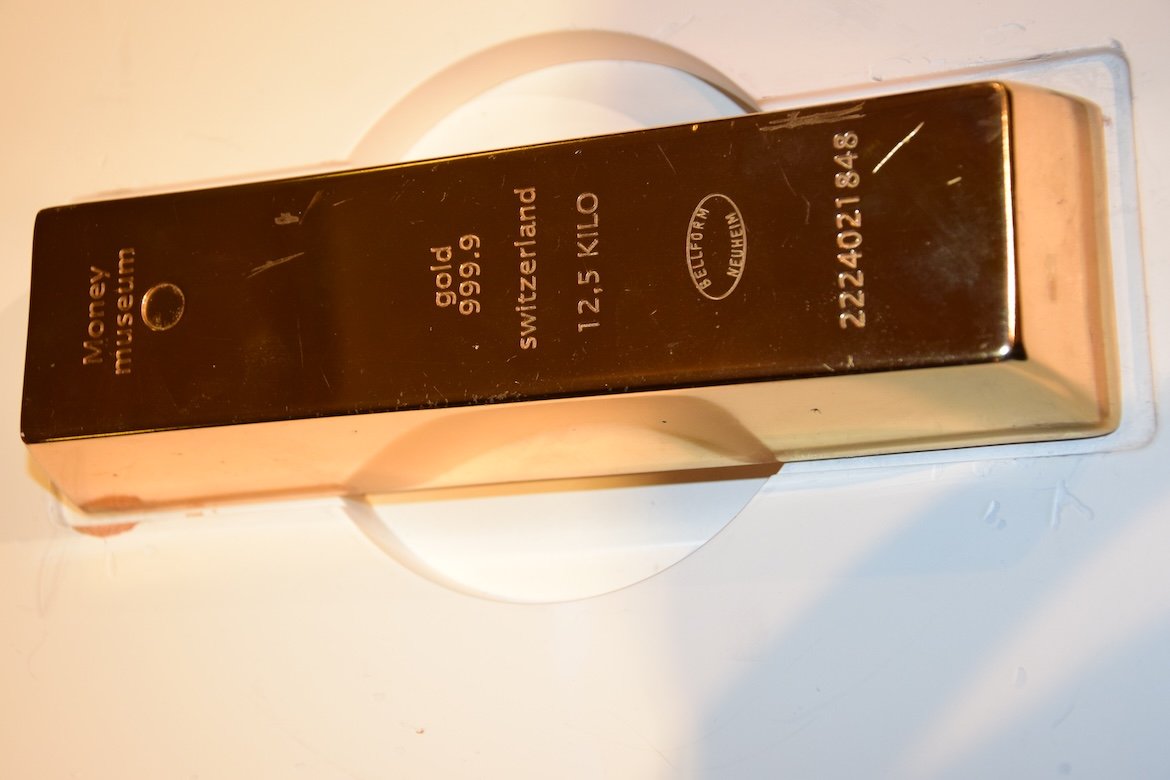
Gold surged to a new all-time high above $4,400 as investors intensified bets on U.S. interest rate cuts, driving strong demand for precious metals. Silver also climbed to fresh peaks, reinforcing bullish momentum across commodities.
By Oleg PetrenkoUpdated
3 mins readGold pushed to a fresh record above $4,400 as expectations for U.S. interest rate cuts strengthened, boosting demand across precious metals and lifting silver to new highs. Photo: Ank Kumar / Wikimedia
Gold prices climbed to a new record on Monday, briefly breaking above $4,400 per ounce, as investors doubled down on expectations that the Federal Reserve will begin cutting interest rates in the coming months. The move marked a continuation of a powerful rally that has seen bullion repeatedly notch fresh highs in 2025.
Spot gold touched $4,383 before extending gains, while U.S. gold futures also pushed higher. The surge comes amid growing confidence that cooling inflation and softer economic data will give policymakers room to ease monetary conditions, a backdrop that traditionally favors non-yielding assets such as gold.
Silver joined the rally, reaching a new all-time high as investors rotated into precious metals more broadly. Analysts say the parallel rise in gold and silver reflects both macroeconomic positioning and speculative inflows, as traders seek protection against currency debasement and market volatility.
Why Gold Is Surging Now
The latest leg higher has been driven primarily by shifting expectations around U.S. monetary policy. Markets are increasingly pricing in multiple rate cuts in 2026, pushing Treasury yields lower and weakening the dollar, both of which tend to support gold prices.
At the same time, central bank buying remains a structural pillar for demand. Official sector purchases have absorbed a significant share of global supply this year, reducing the amount of metal available to private investors and jewelry markets. Persistent geopolitical uncertainty and elevated fiscal deficits have further reinforced gold’s appeal as a store of value.
Silver’s strength has added momentum to the sector. Beyond its role as a precious metal, silver continues to benefit from industrial demand linked to electrification, solar energy, and advanced electronics, tightening supply conditions and amplifying price moves.
What It Means for Markets
Gold’s break above $4,400 underscores how aggressively investors are repositioning for a lower-rate environment. The rally has outpaced many forecasts, raising questions about sustainability and the risk of sharp pullbacks if economic data surprises to the upside or if the Fed signals a more cautious stance.
For now, momentum remains firmly positive. Commodity strategists note that strong inflows into precious metals funds and rising futures positioning suggest investors are treating gold not only as a hedge, but also as a high-conviction macro trade.
However, elevated prices may also attract increased volatility. With gold and silver both at record levels, profit-taking could intensify, particularly if bond yields rebound or risk appetite improves across equity markets.
Still, as long as expectations of rate cuts persist and central bank demand remains robust, analysts say gold is likely to stay well-supported near historic highs.
Delaware’s Supreme Court reinstated Elon Musk’s long-disputed Tesla compensation plan from 2018, a decision that turns a once-$56 billion award into a package worth roughly $140 billion at today’s stock prices.
By Oleg PetrenkoUpdated
2 mins readDelaware’s top court restored Elon Musk’s contested 2018 Tesla pay package, transforming what was once a $56 billion award into compensation now valued at roughly $140 billion based on current share prices. Photo: Gage Skidmore / Wikimedia
The Delaware Supreme Court has reinstated Elon Musk’s landmark Tesla compensation package, reversing a lower court decision and closing a years-long legal dispute over one of the largest executive pay awards in corporate history.
The unanimous ruling restores Musk’s 2018 pay plan, initially valued at $56 billion but now worth an estimated $140 billion after Tesla shares climbed to record highs this week. Judges said voiding the package had effectively left Musk “uncompensated for his time and efforts” over a six-year period.
The decision marks a major legal victory for Musk and removes a significant overhang that has loomed over Tesla’s governance and leadership structure since the case began. Musk responded to the ruling with a brief message on social media, calling the outcome a vindication.
Why the Court Reversed Course
The compensation plan, approved by Tesla’s board in 2018, was structured as an all-or-nothing performance award tied to aggressive market capitalization and operational milestones. At the time, it was already controversial for its size and unconventional design.
Last year, Delaware’s Chancery Court struck down the package, arguing that Tesla’s board failed to adequately justify the award and that shareholders were not fully informed. That decision triggered widespread debate over executive pay, board independence, and shareholder rights.
In its reversal, the state’s highest court emphasized the extraordinary value created for Tesla shareholders during the period covered by the package. The judges noted that canceling the award ignored the economic reality of Musk’s role in driving Tesla’s growth and market dominance.
Implications for Tesla and Corporate America
The ruling effectively ends a dispute that had strained Musk’s relationship with Delaware, prompting Tesla to move its incorporation to Texas earlier this year. That move has since encouraged other high-profile companies to reconsider their legal domiciles.
For investors, the decision removes uncertainty around Tesla’s leadership incentives but also reignites concerns about executive compensation excess. With the restored package now worth about $140 billion, it sets a new benchmark for equity-based pay tied to stock performance.
More broadly, the case underscores how closely modern executive wealth is linked to equity markets, particularly in founder-led technology companies. As previously covered, the debate over shareholder oversight and board accountability is likely to intensify as similar compensation structures emerge across Silicon Valley.
Join our list to receive latest Blockchain, Crypto & Fintech news:
WordPress database error: [Table 'u752143311_Kem9N.wp_coingecko_coins' doesn't exist]
            SELECT coins.*, meta.post_id as post_id
            FROM `wp_coingecko_coins` coins
            INNER JOIN wp_postmeta meta ON (meta.meta_key = 'wpcf-coin-main-tag' AND meta.meta_value = coins.slug )
            ORDER BY market_cap_usd
            DESC LIMIT 9

 By Oleg Petrenko
Updated
2 mins read
By Oleg Petrenko
Updated
2 mins read