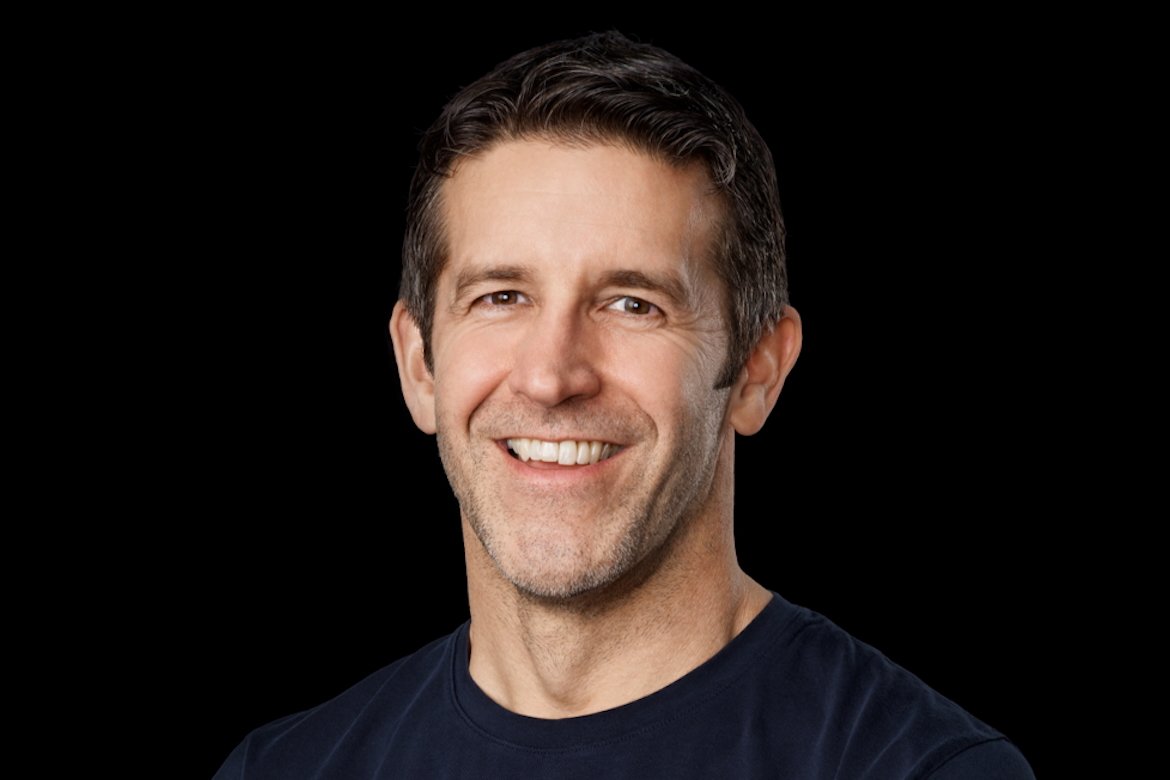
Apple is set to appoint John Ternus, its senior vice president of hardware engineering, as chief executive officer, replacing Tim Cook, who will transition to executive chairman of the board starting September 1.
The leadership change marks a pivotal moment for the company, which has grown into a more than $4 trillion market capitalization giant under Cook’s tenure. Apple shares slipped about 0.89% following the news, reflecting initial investor caution around the transition.
Ternus, who has overseen development of key products including the iPhone, iPad, and Mac, is widely seen as a central figure in Apple’s hardware innovation strategy.
Leadership Transition Reflects Shift Toward Product-Focused Strategy
The appointment signals a move toward a more engineering-driven leadership approach, as Apple continues to prioritize hardware innovation alongside its expanding services ecosystem.
Ternus has played a critical role in Apple’s product roadmap, including the transition to in-house silicon chips and the evolution of its core device lineup.
Tim Cook, who became CEO in August 2011 following the death of Steve Jobs, will remain closely involved in the company as executive chairman, providing strategic oversight and continuity.
During Cook’s tenure, Apple’s market value grew from approximately $350 billion to over $4 trillion, driven by strong iPhone sales, ecosystem expansion, and a growing services business.
As previously covered, leadership transitions at major technology companies often signal shifts in strategic priorities, particularly in balancing product innovation with operational execution.
Market Reaction Highlights Investor Focus on Execution and Growth
The modest decline in Apple’s stock reflects investor uncertainty about how the leadership change could impact execution and long-term growth.
While Ternus brings deep product expertise, investors will be watching closely to see how he manages broader strategic areas such as services growth, supply chain operations, and global market expansion.
The transition comes at a time when Apple faces slowing hardware demand in certain segments and increasing competition in key markets, including China.
At the same time, the company continues to invest in emerging technologies such as artificial intelligence, mixed reality, and custom silicon, which are expected to drive future growth.
For investors, the key question is whether Ternus can maintain Apple’s balance between innovation and profitability while navigating an increasingly competitive and complex global landscape.
The leadership shift underscores a broader theme in Big Tech: the next phase of growth may depend as much on execution and product innovation as on scale and ecosystem strength.