Nvidia Supplier Victory Giant Jumps 60% in Hong Kong IPO Debut

Shares of Nvidia supplier Victory Giant surged 60% in its Hong Kong debut, marking the city’s largest IPO launch of the year so far.

By Daniel Wright | Edited by Oleg Petrenko Published: Updated:
Shares of Nvidia supplier Victory Giant jumped 60% in its Hong Kong debut, marking the city’s largest IPO listing of the year to date. Photo: Victory Giant Technology / Wikimedia

Shares of Victory Giant Technology surged approximately 60% in their Hong Kong trading debut, marking the city’s largest initial public offering of the year and underscoring strong investor appetite for AI-linked semiconductor suppliers.

The company, a supplier to Nvidia, benefited from robust demand as investors continue to seek exposure to the artificial intelligence ecosystem, particularly in hardware and supply chain segments supporting chip production.

The strong performance highlights how capital markets remain highly receptive to companies positioned within the AI value chain, even as broader market conditions remain mixed.

AI Supply Chain Demand Drives Investor Interest

Victory Giant operates in the printed circuit board (PCB) segment, a critical component in high-performance computing systems used in AI applications.

Its ties to Nvidia one of the leading beneficiaries of the AI boom have positioned the company as a proxy investment for continued growth in data centers, cloud computing, and advanced chip infrastructure.

The IPO’s success reflects broader investor demand for semiconductor suppliers, which are increasingly viewed as essential enablers of AI development rather than just peripheral players.

As previously covered, companies across the AI hardware ecosystem from chip designers to component manufacturers have attracted significant capital inflows amid surging demand for computing power.

The offering also signals renewed momentum in Hong Kong’s IPO market, which has seen a resurgence in listings tied to high-growth technology sectors.

Market Momentum Highlights Continued AI Investment Theme

The sharp rally in Victory Giant shares underscores the ongoing strength of the AI investment theme, which continues to drive market performance across regions.

Investors are increasingly targeting companies that provide foundational infrastructure for AI, including components, manufacturing equipment, and specialized materials.

However, analysts caution that such strong debut performances can also reflect elevated expectations, leaving stocks vulnerable to volatility if growth fails to meet projections.

The success of the IPO may encourage other semiconductor and AI-related firms to pursue listings, particularly in Asian markets where demand for tech exposure remains strong.

For markets, the debut reinforces a key trend: the AI boom is extending beyond headline companies to include a broader ecosystem of suppliers and infrastructure providers.

Victory Giant’s performance will be closely watched as an indicator of investor sentiment toward the next wave of AI-driven industrial growth.


Trump Signals Potential Defense Deal With Anthropic as AI Talks Advance

Donald Trump said a potential deal with Anthropic for Department of Defense use is possible, highlighting growing government interest in AI technologies.

By Michael Foster | Edited by Oleg Petrenko Published:
Donald Trump said a potential deal with Anthropic for Department of Defense use is possible, underscoring growing government interest in AI technologies. Photo: Oleg Petrenko / MarketSpeaker

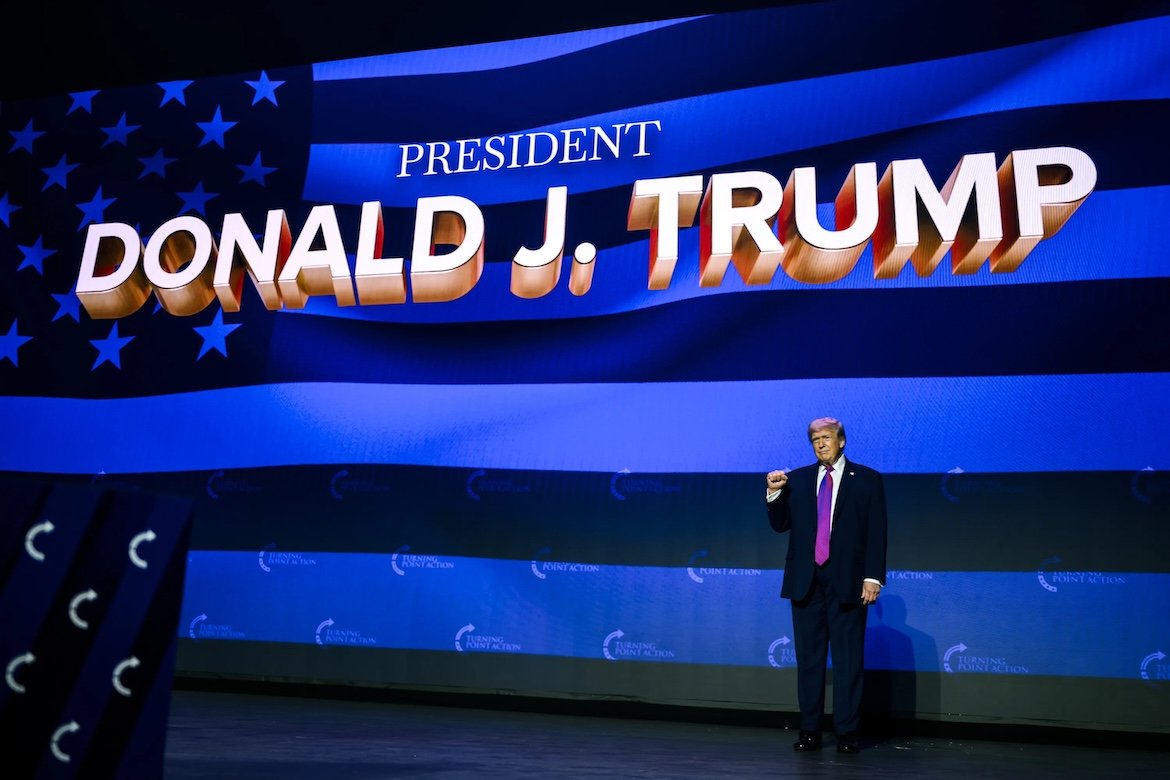
President Donald Trump said his administration is in advanced discussions with AI company Anthropic, indicating that a potential deal involving the U.S. Department of Defense is “possible”.

The comments followed what Trump described as “very good talks” with Anthropic during a recent meeting at the White House, signaling increasing alignment between government priorities and private-sector AI development.

The potential partnership underscores the growing role of artificial intelligence in national security, as governments seek to integrate advanced technologies into defense systems and strategic operations.

Government Push Into AI Expands Defense Applications

The discussions reflect a broader push by the U.S. government to incorporate AI into military and intelligence capabilities.

Anthropic, known for its large language models and AI safety focus, is emerging as a key player in the next generation of AI platforms, attracting interest from both commercial and government clients.

Defense applications could include data analysis, decision support systems, cybersecurity, and autonomous operations, areas where AI is expected to play an increasingly central role.

As previously covered, major AI firms have been exploring partnerships with government agencies, though such collaborations often raise questions around ethics, regulation, and operational transparency.

The potential deal would position Anthropic alongside other technology companies working with the Department of Defense to modernize capabilities through AI.

Market Implications Highlight Strategic Value of AI Firms

Trump’s comments highlight how AI companies are becoming strategically important assets in both economic and geopolitical contexts.

Investors are increasingly valuing firms not only for their commercial potential but also for their relevance in government and defense applications.

A formal agreement with the Department of Defense could provide Anthropic with a significant revenue stream and long-term contract visibility, while also enhancing its credibility in the broader AI ecosystem.

At the same time, such partnerships may attract regulatory scrutiny and public debate, particularly around the use of AI in military settings.

For markets, the development reinforces a key theme: AI is rapidly transitioning from a purely commercial technology into a critical component of national infrastructure and security.

The outcome of the discussions will be closely watched as a signal of how governments and AI companies collaborate in shaping the future of defense technology.

Apple Names John Ternus as CEO, Tim Cook to Become Executive Chairman

Apple will appoint hardware chief John Ternus as CEO, with Tim Cook transitioning to executive chairman, marking a major leadership shift at the tech giant.

By Emma Clarke | Edited by Oleg Petrenko Published: Updated:
Apple is set to name hardware chief John Ternus as CEO, with Tim Cook moving into the role of executive chairman, marking a significant leadership transition at the company. Photo: Apple

Apple is set to appoint John Ternus, its senior vice president of hardware engineering, as chief executive officer, replacing Tim Cook, who will transition to executive chairman of the board starting September 1.

The leadership change marks a pivotal moment for the company, which has grown into a more than $4 trillion market capitalization giant under Cook’s tenure. Apple shares slipped about 0.89% following the news, reflecting initial investor caution around the transition.

Ternus, who has overseen development of key products including the iPhone, iPad, and Mac, is widely seen as a central figure in Apple’s hardware innovation strategy.

Leadership Transition Reflects Shift Toward Product-Focused Strategy

The appointment signals a move toward a more engineering-driven leadership approach, as Apple continues to prioritize hardware innovation alongside its expanding services ecosystem.

Ternus has played a critical role in Apple’s product roadmap, including the transition to in-house silicon chips and the evolution of its core device lineup.

Tim Cook, who became CEO in August 2011 following the death of Steve Jobs, will remain closely involved in the company as executive chairman, providing strategic oversight and continuity.

During Cook’s tenure, Apple’s market value grew from approximately $350 billion to over $4 trillion, driven by strong iPhone sales, ecosystem expansion, and a growing services business.

As previously covered, leadership transitions at major technology companies often signal shifts in strategic priorities, particularly in balancing product innovation with operational execution.

Market Reaction Highlights Investor Focus on Execution and Growth

The modest decline in Apple’s stock reflects investor uncertainty about how the leadership change could impact execution and long-term growth.

While Ternus brings deep product expertise, investors will be watching closely to see how he manages broader strategic areas such as services growth, supply chain operations, and global market expansion.

The transition comes at a time when Apple faces slowing hardware demand in certain segments and increasing competition in key markets, including China.

At the same time, the company continues to invest in emerging technologies such as artificial intelligence, mixed reality, and custom silicon, which are expected to drive future growth.

For investors, the key question is whether Ternus can maintain Apple’s balance between innovation and profitability while navigating an increasingly competitive and complex global landscape.

The leadership shift underscores a broader theme in Big Tech: the next phase of growth may depend as much on execution and product innovation as on scale and ecosystem strength.

U.S. Launches $166 Billion Tariff Refund Program After Supreme Court Ruling

The Trump administration has begun issuing up to $166 billion in tariff refunds to importers following a Supreme Court decision, with payments expected to take months or longer.

By Benjamin Harper | Edited by Oleg Petrenko Published:
The Trump administration has started returning up to $166 billion in tariffs to importers after a Supreme Court ruling, with payments expected to take months or longer to complete. Photo: The White House

The Trump administration has launched what is expected to be the largest tariff refund program in U.S. history, initiating the return of approximately $166 billion previously collected from importers following a Supreme Court ruling.

The refunds will primarily be directed to companies that paid the tariffs, rather than consumers, marking a significant shift in how trade-related costs are redistributed across the economy.

Officials said payments will be processed electronically through U.S. Customs and Border Protection (CBP), with interest included. Initial disbursements are expected within 60 to 90 days, though the full process could extend over several years due to the scale of claims.

Legal Ruling Triggers Massive Redistribution to Businesses

The Supreme Court decision effectively invalidated portions of earlier tariff collections, setting the stage for large-scale repayments to affected importers.

The majority of funds will flow back to corporations, reflecting how tariff costs were historically borne. Analysts estimate that up to 90% of tariff-related expenses were ultimately absorbed by businesses and consumers through higher prices.

However, there is no legal requirement for companies to pass refunds on to customers, raising the possibility that much of the capital will remain on corporate balance sheets.

This dynamic is expected to spark legal disputes, particularly from consumer groups and downstream businesses seeking a share of the refunded funds.

As previously covered, tariff policies have played a central role in U.S. trade strategy over the past decade, influencing supply chains, pricing, and corporate margins.

Market and Economic Implications Remain Uncertain

The scale of the refund program introduces both opportunities and uncertainties for markets.

For corporations, the influx of capital could improve liquidity, support balance sheets, and potentially fund share buybacks, capital expenditures, or debt reduction.

At the same time, the absence of clear rules on redistribution may lead to uneven economic effects, with benefits concentrated among large importers rather than broadly distributed across consumers.

Legal risks are also emerging as a key concern. A wave of lawsuits could delay payouts or reshape how funds are ultimately allocated.

From a macroeconomic perspective, the refunds could provide a modest stimulus effect, though the impact will depend on how companies deploy the returned capital.

Investors are likely to monitor which sectors benefit most, particularly industries with significant import exposure such as retail, manufacturing, and technology.

The program underscores the complex interplay between trade policy, legal frameworks, and market dynamics, as one of the largest financial redistributions in recent history begins to unfold.

Blue Origin Reuses New Glenn Rocket for First Time but Fails to Deploy Satellite Correctly

Blue Origin successfully reused and landed its New Glenn booster for the first time, but the mission failed to place its satellite into the correct orbit.

By Michael Foster | Edited by Oleg Petrenko Published:
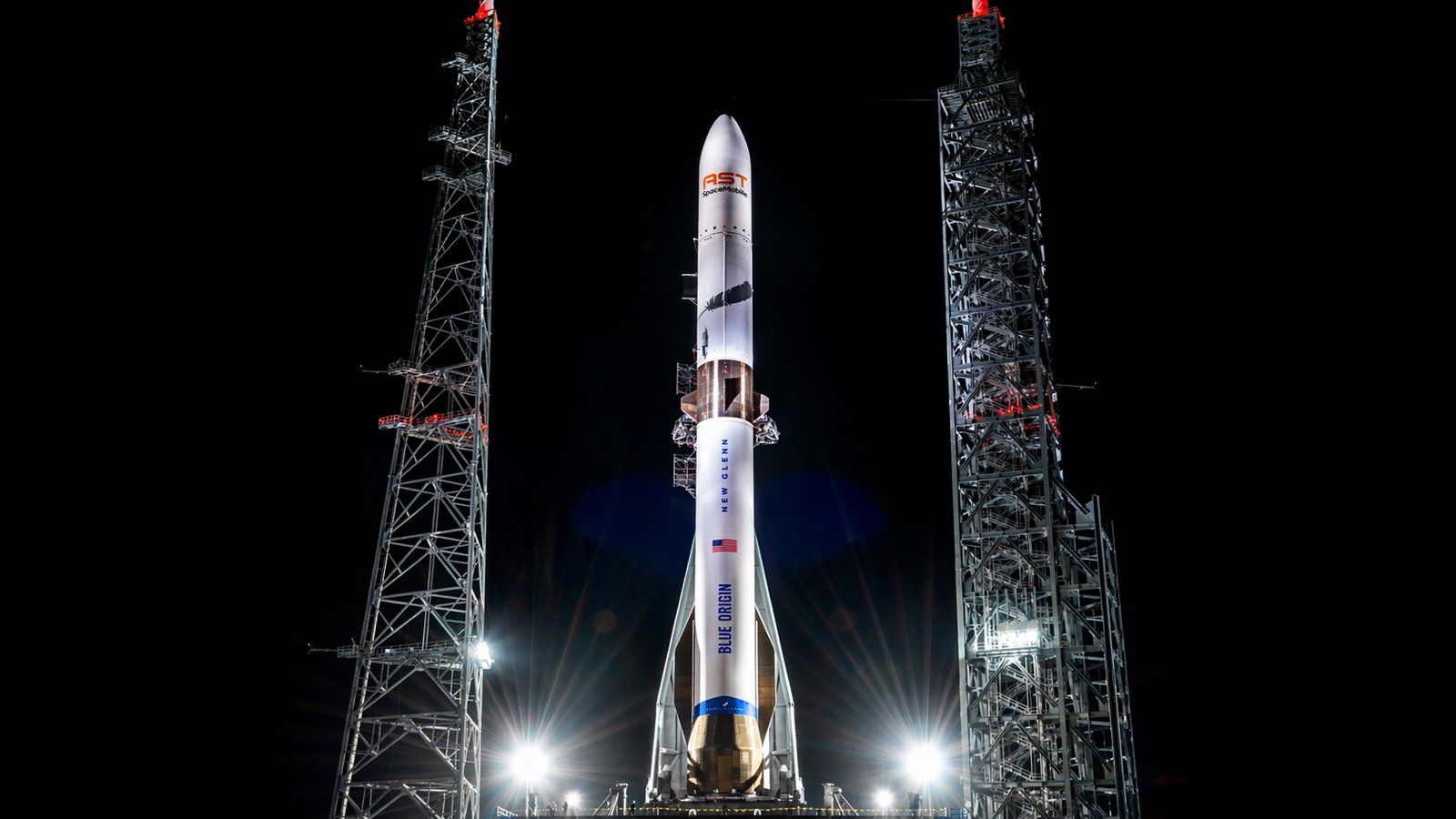
Blue Origin successfully reused and landed its New Glenn booster for the first time, but failed to deliver the satellite into the intended orbit. Photo: Blue Origin / X

Blue Origin has successfully reused its heavy-lift New Glenn rocket for the first time, marking a major milestone in the company’s push toward reusable launch systems though the mission ultimately failed to achieve its primary objective.

The rocket launched with a previously flown booster, which was successfully recovered and landed on a platform in the Atlantic Ocean approximately six minutes after liftoff. However, the payload a satellite designed for direct-to-smartphone communication was not delivered to its intended orbit.

The mixed outcome highlights both the progress and ongoing challenges in Blue Origin’s effort to compete in the increasingly competitive space launch market.

Reusable Milestone Signals Progress in Launch Economics

The successful reuse and landing of the New Glenn booster represents a critical step toward reducing launch costs and improving operational efficiency.

Reusable rocket technology has become a key differentiator in the space industry, allowing companies to lower expenses and increase launch frequency. Blue Origin’s achievement brings it closer to competing with established players that have already demonstrated consistent reuse capabilities.

The New Glenn rocket is designed to carry heavy payloads into orbit, targeting commercial satellite launches, government missions, and future space infrastructure projects.

As previously covered, the race to develop reliable reusable launch systems is intensifying, with companies seeking to capture a growing share of the global launch market.

The ability to recover and reuse boosters is expected to play a central role in long-term profitability and scalability in the sector.

Mission Failure Highlights Execution Risks in Space Industry

Despite the successful booster recovery, the mission’s failure to place the satellite into the correct orbit underscores the technical complexity and risks associated with space launches.

Accurate orbital insertion is critical for satellite functionality, particularly for communications systems designed to connect directly with smartphones.

The setback may delay deployment timelines and raise questions about reliability, especially as Blue Origin seeks to secure additional commercial contracts.

At the same time, industry analysts note that early-stage missions often encounter setbacks, particularly when introducing new technologies or mission profiles.

For investors and market observers, the event reflects a broader theme in the space sector: rapid technological progress is often accompanied by operational risk.

Blue Origin’s ability to learn from the failure and improve future mission performance will be key to establishing credibility and competitiveness in the evolving space launch landscape.

Tesla Expands Robotaxi Service to Dallas and Houston

Tesla launched its robotaxi service in Dallas and Houston, marking a further expansion of its autonomous ride-hailing network in the U.S.

By Daniel Wright | Edited by Oleg Petrenko Published:
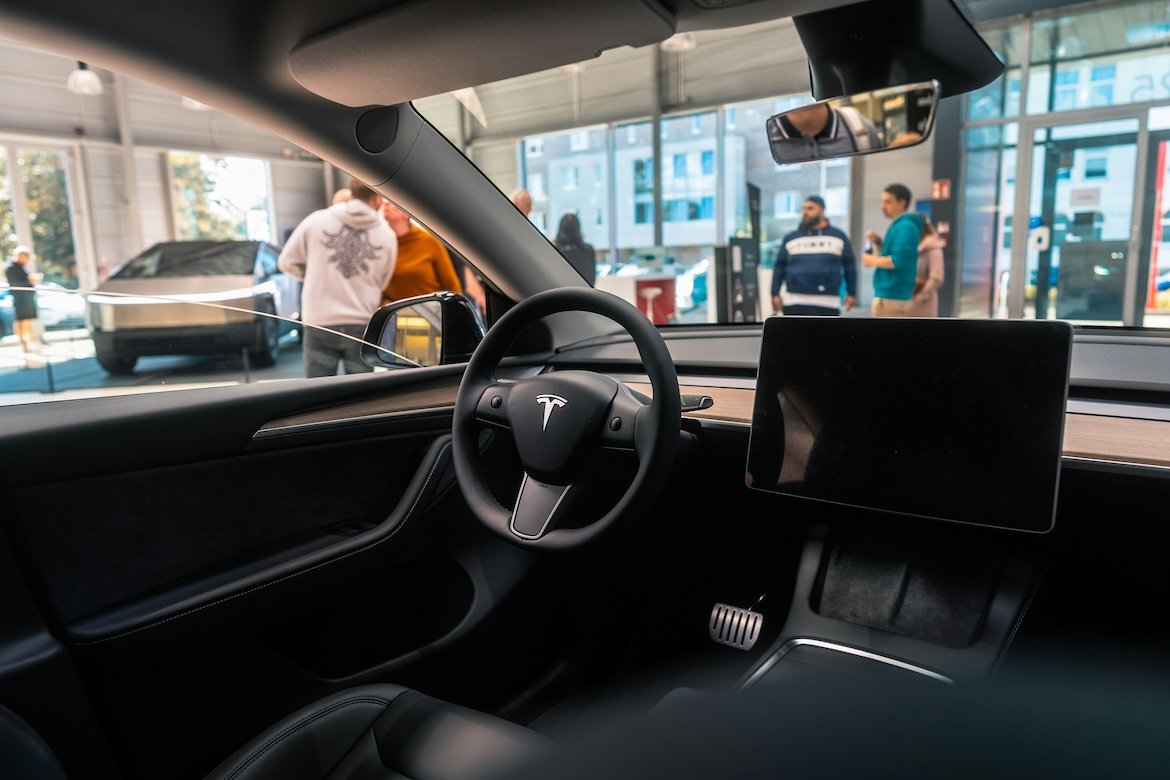
Tesla rolled out its robotaxi service in Dallas and Houston, expanding its autonomous ride-hailing network further across the U.S. Photo: Maxim / Unsplash

Tesla has expanded its robotaxi service to Dallas and Houston, extending its autonomous ride-hailing network beyond its initial launch in Austin and accelerating its push into AI-driven mobility.

The company showcased its Model Y vehicles operating without a human driver or front-seat monitor, signaling continued progress in fully autonomous driving technology. Tesla also released service maps outlining coverage areas in both cities, though it did not disclose details on fleet size or pricing.

The expansion marks a significant milestone in Tesla’s broader strategy to commercialize self-driving technology and generate new revenue streams beyond traditional vehicle sales.

Autonomous Expansion Signals Progress in AI-Driven Mobility

Tesla’s robotaxi rollout reflects years of investment in its Full Self-Driving (FSD) software, which relies heavily on neural networks and real-world driving data to improve performance.

By launching in multiple cities, Tesla is testing the scalability of its autonomous system in different traffic environments, road conditions, and regulatory frameworks.

Dallas and Houston represent large, high-traffic urban markets, offering a critical testing ground for refining the service and gathering additional data.

As previously covered, Tesla has positioned its robotaxi initiative as a key pillar of its long-term growth strategy, with CEO Elon Musk previously suggesting the service could significantly boost the company’s valuation if successfully scaled.

The move also places Tesla in direct competition with other autonomous ride-hailing providers, including Alphabet’s Waymo and traditional mobility platforms exploring driverless solutions.

Market Implications Highlight New Revenue Opportunities and Risks

The expansion of robotaxi services is being closely watched by investors as a potential catalyst for Tesla’s next phase of growth.

Autonomous ride-hailing could offer higher-margin revenue streams compared to vehicle sales, particularly if Tesla can achieve large-scale deployment with minimal human oversight.

However, significant challenges remain, including regulatory approval, safety validation, and public adoption. The absence of disclosed pricing or fleet size suggests the service is still in an early-stage rollout phase.

At the same time, competition in the autonomous driving space continues to intensify, with both technology companies and automakers investing heavily in similar capabilities.

For markets, Tesla’s expansion reinforces a key theme: AI-driven mobility is emerging as one of the most important battlegrounds in the next generation of transportation.

Investors will be watching closely for updates on usage metrics, safety performance, and revenue contribution as Tesla continues to scale its robotaxi network.

Exit mobile version