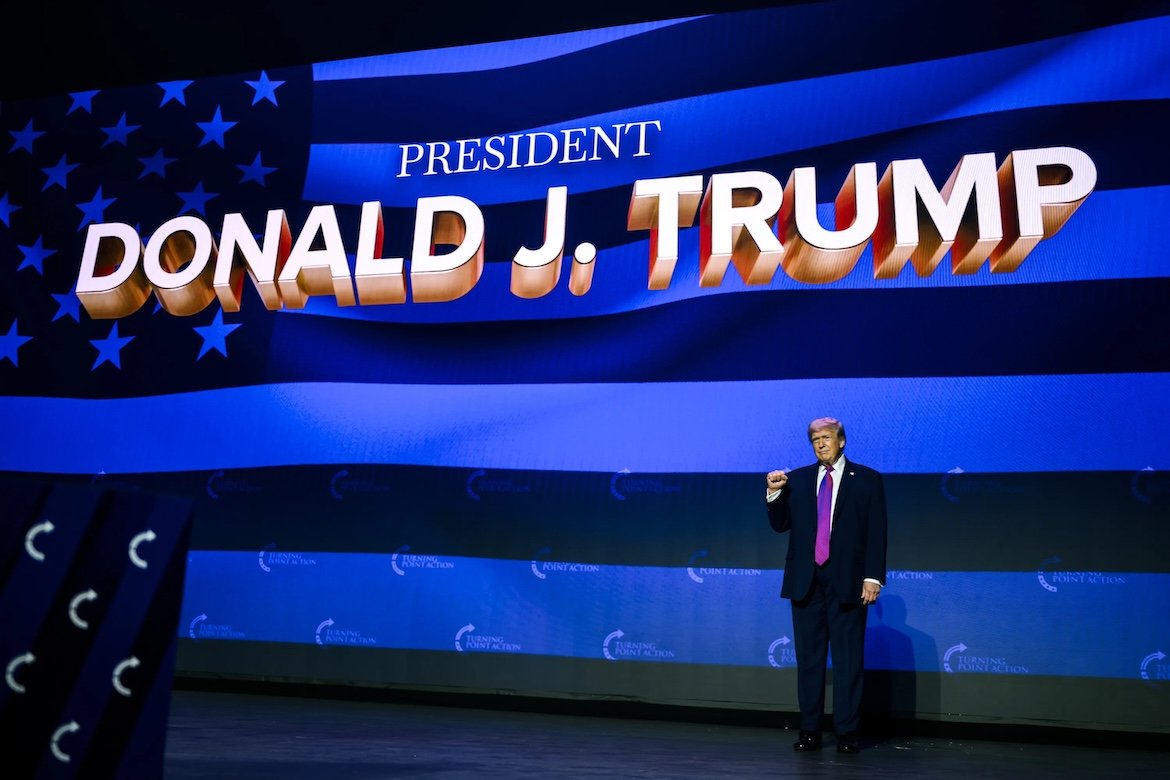
President Donald Trump said his administration is in advanced discussions with AI company Anthropic, indicating that a potential deal involving the U.S. Department of Defense is “possible”.
The comments followed what Trump described as “very good talks” with Anthropic during a recent meeting at the White House, signaling increasing alignment between government priorities and private-sector AI development.
The potential partnership underscores the growing role of artificial intelligence in national security, as governments seek to integrate advanced technologies into defense systems and strategic operations.
Government Push Into AI Expands Defense Applications
The discussions reflect a broader push by the U.S. government to incorporate AI into military and intelligence capabilities.
Anthropic, known for its large language models and AI safety focus, is emerging as a key player in the next generation of AI platforms, attracting interest from both commercial and government clients.
Defense applications could include data analysis, decision support systems, cybersecurity, and autonomous operations, areas where AI is expected to play an increasingly central role.
As previously covered, major AI firms have been exploring partnerships with government agencies, though such collaborations often raise questions around ethics, regulation, and operational transparency.
The potential deal would position Anthropic alongside other technology companies working with the Department of Defense to modernize capabilities through AI.
Market Implications Highlight Strategic Value of AI Firms
Trump’s comments highlight how AI companies are becoming strategically important assets in both economic and geopolitical contexts.
Investors are increasingly valuing firms not only for their commercial potential but also for their relevance in government and defense applications.
A formal agreement with the Department of Defense could provide Anthropic with a significant revenue stream and long-term contract visibility, while also enhancing its credibility in the broader AI ecosystem.
At the same time, such partnerships may attract regulatory scrutiny and public debate, particularly around the use of AI in military settings.
For markets, the development reinforces a key theme: AI is rapidly transitioning from a purely commercial technology into a critical component of national infrastructure and security.
The outcome of the discussions will be closely watched as a signal of how governments and AI companies collaborate in shaping the future of defense technology.