Quantum Stocks Rally as Nvidia AI Models Spark Fresh Investor Interest

Quantum computing stocks surged after Nvidia unveiled new AI models designed to accelerate the technology, boosting investor optimism across the sector.

By Daniel Wright | Edited by Oleg Petrenko Published:
Quantum computing stocks jumped after Nvidia introduced new AI models aimed at accelerating the technology, lifting investor sentiment across the sector. Photo: Oleg Petrenko / MarketSpeaker

Quantum computing stocks are on track for a strong weekly performance after Nvidia introduced a new suite of AI models aimed at accelerating the development of quantum technologies, reigniting investor enthusiasm across the sector.

Shares of key players such as IonQ, D-Wave Quantum, and Rigetti Computing posted gains ranging from approximately 10% to over 20% following the announcement, reflecting a sharp shift in sentiment toward a segment that had recently lagged broader AI-driven market rallies.

The rally highlights how advancements in artificial intelligence continue to act as a catalyst across adjacent technologies, particularly in areas like quantum computing that are still in early commercialization stages.

Nvidia’s AI Breakthrough Targets Quantum Bottlenecks

At the center of the surge is Nvidia’s launch of its “Ising” family of open-source AI models, designed specifically to improve key aspects of quantum computing systems.

The models aim to address one of the industry’s biggest challenges: error correction and system calibration. By using AI to optimize these processes, Nvidia claims the technology can significantly improve performance and scalability of quantum systems.

Industry analysts view this development as a meaningful step toward practical quantum computing applications. The integration of AI with quantum hardware could accelerate timelines for commercialization by making systems more stable and efficient.

Executives and researchers have increasingly emphasized hybrid computing architectures, where classical AI systems work alongside quantum processors to unlock new capabilities in areas such as drug discovery, materials science, and complex simulations.

As previously covered, the quantum sector has faced skepticism due to long development cycles and limited near-term revenue visibility. Nvidia’s entry into the space is now seen as a validation signal for the industry’s long-term potential.

Market Momentum Reflects Renewed AI-Driven Speculation

The sharp gains in quantum stocks underscore the broader market dynamic: investor appetite for AI-related themes remains strong, even extending into emerging and highly speculative segments.

Analysts note that while the technology remains in early stages, the involvement of a major player like Nvidia provides credibility and could attract additional capital into the sector.

However, volatility remains high. Many quantum computing companies are still unprofitable and heavily dependent on external funding, making them sensitive to shifts in investor sentiment.

Despite these risks, the latest rally suggests that markets are once again willing to price in long-term potential, particularly when supported by tangible technological progress.

For investors, the key question is whether this momentum can be sustained or if it represents another short-term surge driven by AI-related optimism.

The coming months will likely determine whether quantum computing can transition from a speculative theme into a more established segment within the broader technology landscape.

Deutsche Bank Warns of ‘Petroyuan’ Rise as Iran War Fuels Dollar Debate

Deutsche Bank flagged the potential rise of a “petroyuan” amid the Iran war, as analysts debate whether de-dollarization could accelerate despite continued dollar dominance.

By David Sinclair | Edited by Oleg Petrenko Published:
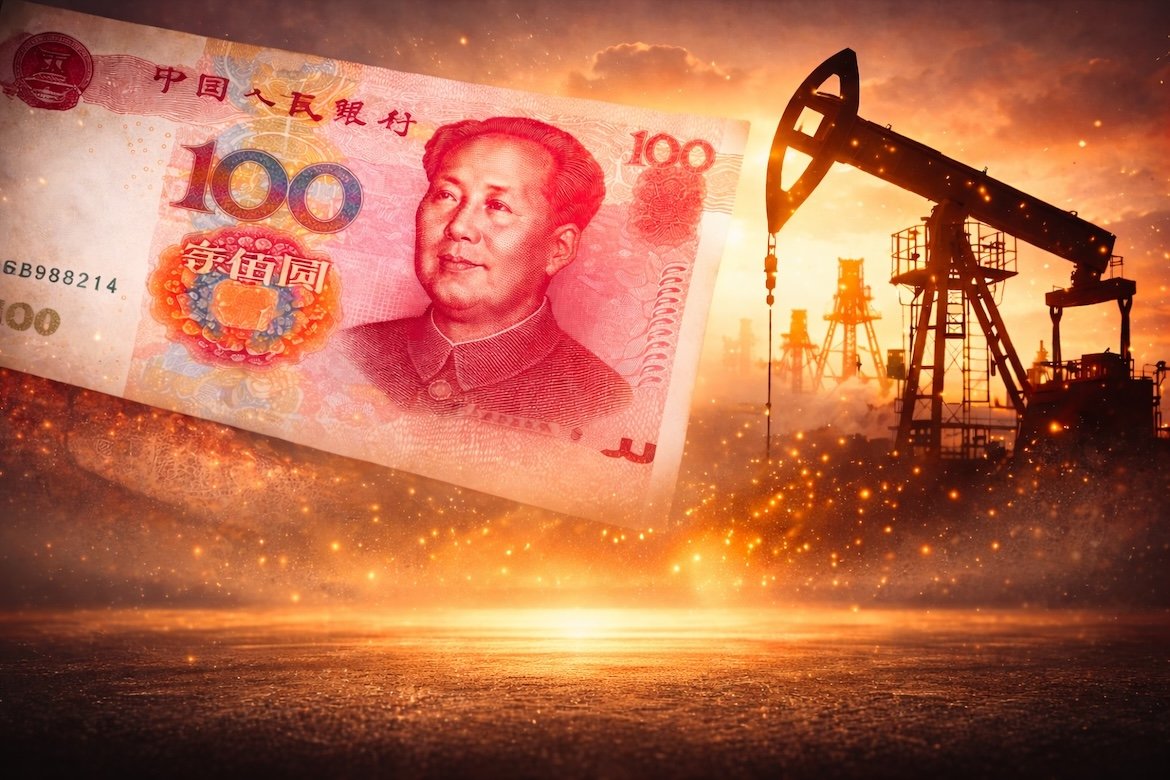
Deutsche Bank highlighted the potential emergence of a “petroyuan” amid the Iran war, as analysts debate whether de-dollarization could gain traction despite the dollar’s continued dominance. Photo: Oleg Petrenko / MarketSpeaker

Deutsche Bank has warned that the ongoing Iran war could accelerate the emergence of a so-called ‘petroyuan”, intensifying debate over the long-term dominance of the U.S. dollar in global trade and finance.

The note highlights a growing trend toward de-dollarization, particularly in energy markets, where China has been expanding efforts to settle oil transactions in yuan instead of dollars. The shift, if sustained, could gradually erode the dollar’s central role in global reserves and commodity pricing.

The U.S. dollar index, which tracks the currency against a basket of major peers, has already declined nearly 10% through 2025, reflecting shifting macroeconomic dynamics and evolving capital flows.

Geopolitics and Energy Trade Drive Currency Shift Narrative

The concept of a “petroyuan” refers to the pricing and settlement of oil trades in Chinese yuan rather than U.S. dollars, a move that could reshape global financial architecture if widely adopted.

The Iran war has added momentum to this narrative by encouraging alternative trade arrangements among countries seeking to reduce exposure to Western financial systems and sanctions frameworks.

China, as the world’s largest oil importer, has been actively promoting yuan-based energy contracts, particularly with partners in the Middle East and other emerging markets.

Deutsche Bank analysts suggest that geopolitical fragmentation and sanctions risks are prompting countries to diversify currency usage in trade, potentially accelerating structural shifts away from the dollar.

As previously covered, discussions around de-dollarization have intensified in recent years, though actual shifts in reserve currency allocations have remained gradual rather than abrupt.

Market Outlook Suggests Gradual Change, Not Immediate Displacement

Despite growing attention to the “petroyuan,” analysts caution against prematurely calling an end to dollar dominance.

The U.S. dollar continues to benefit from deep and liquid capital markets, strong institutional frameworks, and its status as the primary global reserve currency.

While alternative systems may gain traction at the margins, a full-scale transition away from the dollar would likely take years, if not decades.

Investors are increasingly monitoring currency trends as part of broader portfolio strategies, particularly in commodities and emerging markets where shifts in trade settlement could influence pricing dynamics.

At the same time, the dollar’s recent weakness has been driven by multiple factors, including interest rate expectations, fiscal dynamics, and global growth differentials not solely geopolitical developments.

For markets, the key takeaway is that while de-dollarization narratives are gaining momentum, structural changes in the global monetary system are expected to unfold gradually.

The debate around the ‘petroyuan’ underscores a broader theme: geopolitical tensions are increasingly intersecting with financial markets, shaping long-term currency dynamics and investor positioning.

Kering Targets Profit Growth as It Unveils Gucci Turnaround Plan

Kering outlined an ambitious plan to revive Gucci and double profits, aiming to restore growth after a prolonged slowdown in its flagship brand.

By Emma Clarke | Edited by Oleg Petrenko Published:
Kering presented an ambitious strategy to revive Gucci and double profits, seeking to restore growth after an extended slowdown at its flagship brand. Photo: Dima Pechurin / Unsplash

Kering has unveiled an ambitious turnaround strategy aimed at reviving its flagship Gucci brand and doubling group profits over the coming years, as the French luxury group seeks to regain momentum after a period of declining sales.

The announcement comes as Kering faces mounting pressure from investors following weak earnings, including a 6% drop in first-quarter revenue driven by continued softness at Gucci. The brand has struggled to maintain relevance amid shifting consumer preferences and intensifying competition in the luxury sector.

Shares reacted cautiously as investors weighed the credibility of the turnaround plan against ongoing macroeconomic and geopolitical headwinds affecting global demand.

Gucci Turnaround Centers on Brand Reset and Operational Discipline

At the core of Kering’s strategy is a comprehensive repositioning of Gucci, including a renewed focus on product design, brand identity, and pricing strategy.

Management outlined plans to streamline collections, reduce discounting, and enhance exclusivity in an effort to rebuild the brand’s luxury appeal. The company is also investing in creative direction and marketing to better align with evolving consumer tastes.

Operational efficiency is another key pillar of the plan. Kering aims to improve margins through tighter cost controls, optimized supply chains, and more disciplined inventory management.

Executives indicated that the turnaround will take time, with meaningful improvements expected gradually rather than immediately. As previously covered, Gucci has faced several quarters of declining sales, raising concerns about its long-term growth trajectory.

The company is also prioritizing direct-to-consumer channels, including flagship stores and online platforms, to strengthen customer engagement and improve profitability.

Market Skepticism Reflects Execution Risks and Sector Pressures

Despite the ambitious targets, investors remain cautious about Kering’s ability to deliver a sustained recovery, particularly given the broader challenges facing the luxury sector.

Geopolitical tensions, including the ongoing conflict in the Middle East, have weighed on demand, while slower growth in China and Europe has further pressured sales.

Analysts note that doubling profits will require not only a successful Gucci turnaround but also stable performance across Kering’s other brands, including Yves Saint Laurent and Balenciaga.

The competitive landscape remains intense, with rivals such as LVMH and Hermès continuing to outperform in terms of brand strength and pricing power.

At the same time, valuation concerns persist as investors reassess growth prospects across the luxury segment.

For Kering, the turnaround plan represents a critical test of its strategic direction. Success will depend on its ability to restore brand desirability, stabilize revenues, and deliver consistent margin expansion.

The coming quarters will be closely watched for early signs of improvement, as markets look for tangible evidence that the Gucci reset is gaining traction.

EasyJet Shares Fall as Middle East Conflict and Fuel Costs Hit Booking Outlook

EasyJet stock declined after the airline warned that rising fuel costs and Middle East tensions are weighing on its bookings outlook.

By Michael Foster | Edited by Oleg Petrenko Published:
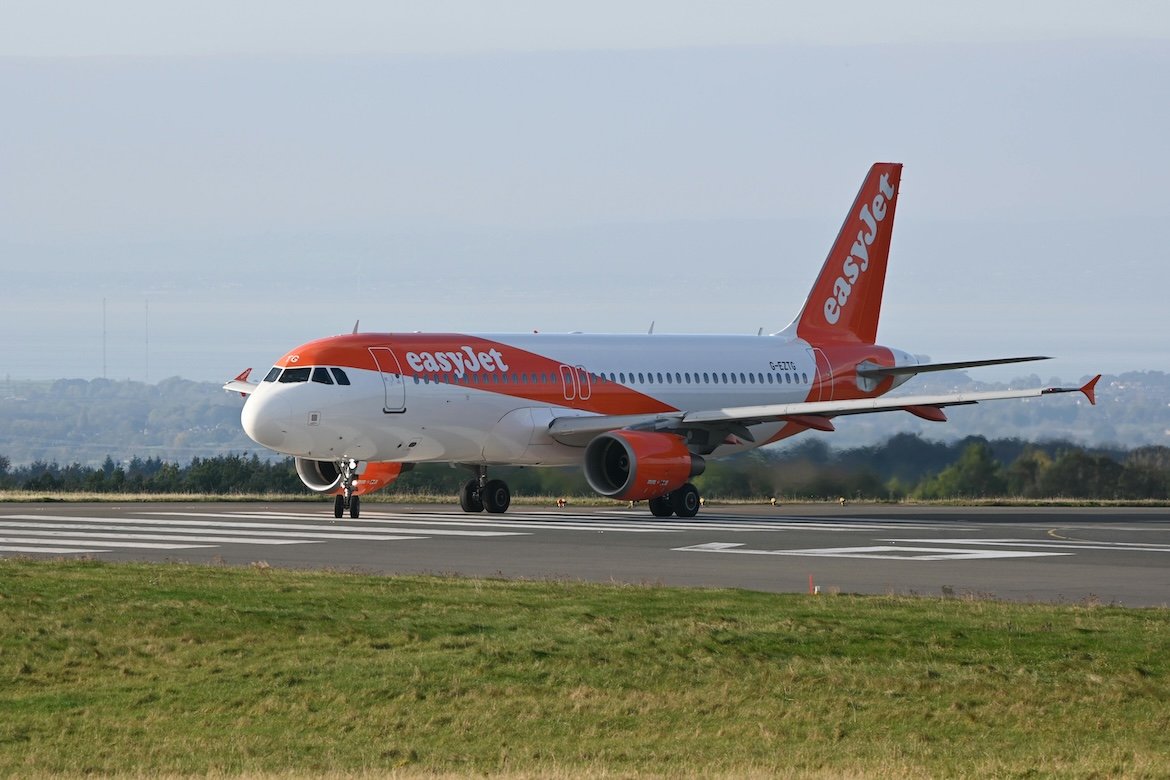
EasyJet shares fell after the airline warned that higher fuel costs and Middle East tensions are putting pressure on its bookings outlook. Photo: Wayne Jackson / Pexels

EasyJet shares fell after the low-cost airline flagged growing pressure on its bookings outlook, citing rising fuel costs and escalating tensions in the Middle East as key headwinds.

The stock declined in early trading as investors reacted to weaker forward guidance, with management warning that higher operating costs and softer demand trends could weigh on near-term performance.

Fuel remains one of the airline’s largest expenses, and recent increases in oil prices have pushed costs higher, compressing margins across the aviation sector.

Fuel Costs and Geopolitics Pressure Demand Outlook

EasyJet said that rising jet fuel prices are expected to increase unit costs in the coming quarters, limiting its ability to sustain profit margins despite steady passenger volumes.

At the same time, the ongoing conflict in the Middle East has disrupted travel patterns, particularly on routes linked to affected regions. Geopolitical uncertainty has also dampened consumer confidence, leading to more cautious booking behavior.

Airlines are particularly sensitive to such disruptions, as even small shifts in demand can have a significant impact on load factors and pricing power.

As previously covered, geopolitical tensions have increasingly influenced travel demand, especially in regions reliant on international tourism and business travel.

While EasyJet continues to benefit from strong intra-European travel demand, the broader outlook remains uncertain as macroeconomic and geopolitical risks persist.

Market Reaction Reflects Broader Airline Sector Risks

The decline in EasyJet shares highlights investor concerns about the sustainability of earnings in the airline industry, where profitability is closely tied to volatile input costs and external shocks.

Higher fuel prices not only increase operating expenses but also limit airlines’ flexibility to offer competitive pricing, particularly in a cost-sensitive segment like budget travel.

Analysts note that the sector faces a challenging balance between maintaining ticket demand and protecting margins, especially as consumers remain sensitive to price increases.

At the same time, geopolitical risks add another layer of uncertainty, potentially affecting route networks, capacity planning, and overall demand trends.

For investors, the key question is whether airlines can offset rising costs through pricing power or efficiency gains, or if margins will continue to face downward pressure.

EasyJet’s update reinforces a broader market theme: even as travel demand remains resilient, external factors such as fuel volatility and geopolitical instability continue to shape the sector’s outlook.

Anthropic Valuation Surges to $851 Billion as AI IPO Frenzy Builds

Anthropic’s estimated valuation has climbed to $851 billion, highlighting explosive growth in AI startups as investors pour capital into the sector ahead of major IPOs.

By Michael Foster | Edited by Oleg Petrenko Published:
Anthropic’s estimated valuation has risen to $851 billion, underscoring rapid growth in AI startups as investors channel capital into the sector ahead of major IPOs. Photo: Oleg Petrenko / MarketSpeaker

Anthropic’s estimated valuation has surged to approximately $851 billion, marking one of the most dramatic increases in the artificial intelligence sector and underscoring intensifying investor demand ahead of a wave of anticipated IPOs.

The company’s valuation has risen by more than $700 billion over the past six months an increase of roughly 600% as capital continues to flood into AI-focused firms. The surge places Anthropic among the most highly valued private companies globally, alongside other leading players in the AI race.

Market expectations are building for a potential initial public offering later this year, which could serve as a major catalyst for broader equity markets already buoyed by AI-driven optimism.

Venture Capital Flood Fuels AI Valuation Surge

The sharp rise in Anthropic’s valuation reflects a broader surge in venture capital investment across the AI ecosystem. Investors have deployed approximately $300 billion into AI-related companies since the start of 2026, already surpassing the $215 billion invested throughout all of 2025.

This rapid acceleration is being driven in part by fears of missing out on the next generation of dominant technology platforms. Venture firms and institutional investors are increasingly competing for exposure to companies developing large language models, AI infrastructure, and enterprise applications.

Anthropic’s growth trajectory is emblematic of this trend, as demand for advanced AI systems continues to expand across industries including finance, healthcare, and enterprise software.

At the same time, a pipeline of high-profile IPOs is reinforcing bullish sentiment. SpaceX is reportedly approaching a valuation of around $1.5 trillion, while OpenAI is expected to target roughly $1 trillion in a future public listing.

As previously covered, the AI sector has become a central driver of market momentum, attracting capital at a pace rarely seen outside of previous technology booms.

Market Implications Point to AI as Key Support for Equities

The surge in AI valuations is playing a significant role in supporting broader equity markets, even amid macroeconomic uncertainty and tighter financial conditions.

Investors view AI as a long-term structural growth theme capable of offsetting cyclical pressures in other sectors. The anticipated IPO wave in 2026 is expected to inject fresh momentum into public markets, potentially setting new records for deal size and valuation.

However, analysts caution that such rapid valuation increases also raise questions about sustainability. Comparisons to previous tech bubbles have emerged, particularly as capital flows accelerate and competition intensifies.

Despite these concerns, market sentiment remains firmly anchored in the belief that AI represents a transformative technology with far-reaching economic impact.

For investors, the key challenge will be distinguishing between companies with durable competitive advantages and those benefiting primarily from short-term speculative momentum.

The coming IPO cycle is likely to serve as a critical test of current valuations, providing clearer signals on how public markets price the next generation of AI leaders.

Samsung SDS Shares Jump 20% After KKR Deal and $820 Million Bond Investment

Samsung SDS stock surged after KKR agreed to invest $820 million via convertible bonds, forming a strategic partnership focused on AI expansion.

By Daniel Wright | Edited by Oleg Petrenko Published:
Samsung SDS shares jumped after KKR committed to an $820 million investment through convertible bonds, establishing a strategic partnership centered on AI expansion. Photo: Samsung SDS Global / Facebook

Samsung SDS shares surged approximately 20% after the company announced a strategic partnership with private equity firm KKR, anchored by an $820 million investment in newly issued convertible bonds.

The deal positions Samsung SDS to accelerate its expansion into artificial intelligence and cloud-based enterprise services, while giving KKR exposure to one of South Korea’s leading IT service providers.

The investment will be made through convertible bonds, allowing KKR the option to convert its holdings into equity at a later stage, depending on market conditions and company performance.

Strategic Partnership Targets AI and Enterprise Cloud Growth

The agreement reflects a growing focus on AI-driven infrastructure and enterprise digital transformation, areas where Samsung SDS has been increasing investment in recent years.

Company executives said the partnership will support the development of advanced AI capabilities, including data analytics platforms, automation tools, and enterprise cloud solutions tailored for large corporate clients.

KKR’s involvement is expected to provide not only capital but also strategic support, particularly in scaling global operations and improving operational efficiency.

The structure of the deal via convertible bonds offers flexibility for both parties. Samsung SDS secures funding without immediate dilution, while KKR gains potential upside if the company’s valuation rises as its AI strategy gains traction.

As previously covered, global demand for AI infrastructure has surged, with companies across industries investing heavily in computing capacity, software platforms, and data-driven services.

Samsung SDS aims to position itself as a key player in this ecosystem, leveraging its existing enterprise client base and integration capabilities.

Market Reaction Highlights Investor Appetite for AI Exposure

The sharp rally in Samsung SDS shares underscores strong investor demand for companies with clear exposure to AI growth themes.

Market participants are increasingly rewarding firms that demonstrate credible strategies for monetizing AI technologies, particularly in enterprise applications where revenue visibility tends to be stronger.

The partnership with KKR is also seen as a validation of Samsung SDS’s long-term growth prospects, as private equity firms typically target investments with scalable business models and clear paths to profitability.

However, analysts note that execution will be critical. The company will need to deliver consistent revenue growth and demonstrate tangible returns on its AI investments to sustain current valuations.

Competition in the enterprise cloud and AI services market remains intense, with global players such as Amazon and Microsoft continuing to dominate.

Still, the deal highlights a broader trend across markets: capital is increasingly flowing toward companies positioned to benefit from the expansion of AI infrastructure and enterprise digitization.

For investors, Samsung SDS’s next phase will depend on how effectively it can convert strategic investment into sustained earnings growth and competitive differentiation.

Exit mobile version