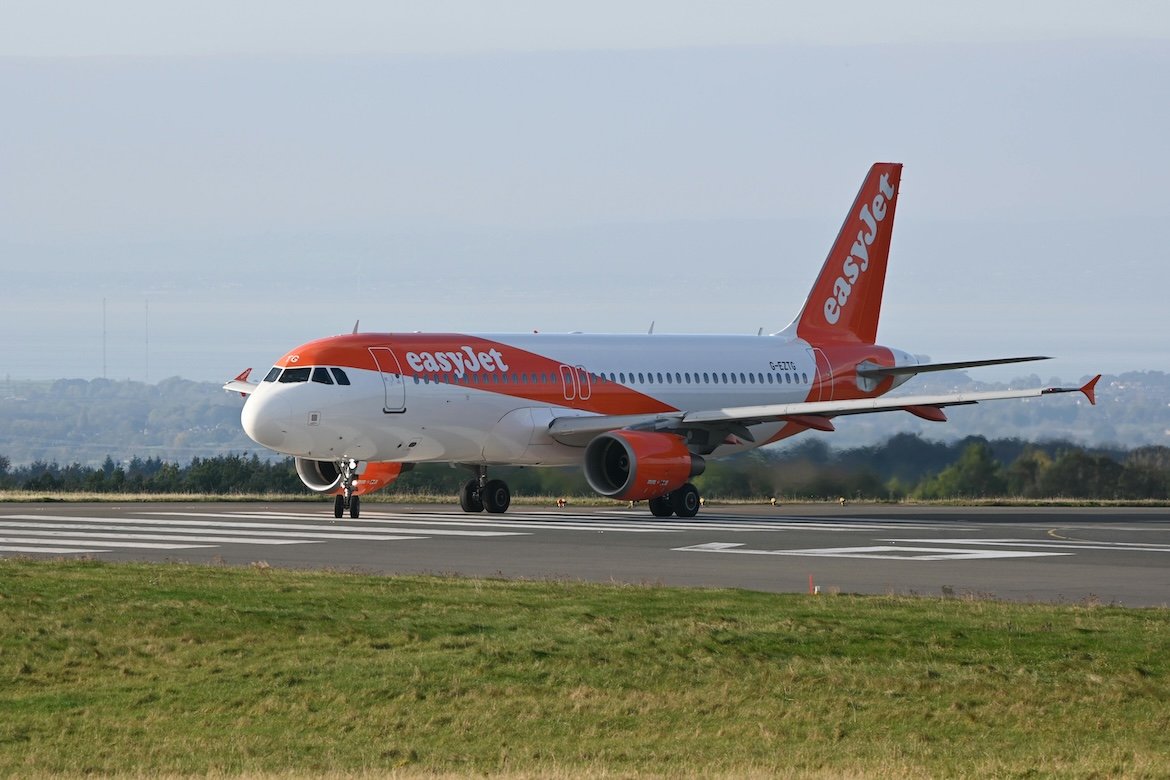
EasyJet shares fell after the low-cost airline flagged growing pressure on its bookings outlook, citing rising fuel costs and escalating tensions in the Middle East as key headwinds.
The stock declined in early trading as investors reacted to weaker forward guidance, with management warning that higher operating costs and softer demand trends could weigh on near-term performance.
Fuel remains one of the airline’s largest expenses, and recent increases in oil prices have pushed costs higher, compressing margins across the aviation sector.
Fuel Costs and Geopolitics Pressure Demand Outlook
EasyJet said that rising jet fuel prices are expected to increase unit costs in the coming quarters, limiting its ability to sustain profit margins despite steady passenger volumes.
At the same time, the ongoing conflict in the Middle East has disrupted travel patterns, particularly on routes linked to affected regions. Geopolitical uncertainty has also dampened consumer confidence, leading to more cautious booking behavior.
Airlines are particularly sensitive to such disruptions, as even small shifts in demand can have a significant impact on load factors and pricing power.
As previously covered, geopolitical tensions have increasingly influenced travel demand, especially in regions reliant on international tourism and business travel.
While EasyJet continues to benefit from strong intra-European travel demand, the broader outlook remains uncertain as macroeconomic and geopolitical risks persist.
Market Reaction Reflects Broader Airline Sector Risks
The decline in EasyJet shares highlights investor concerns about the sustainability of earnings in the airline industry, where profitability is closely tied to volatile input costs and external shocks.
Higher fuel prices not only increase operating expenses but also limit airlines’ flexibility to offer competitive pricing, particularly in a cost-sensitive segment like budget travel.
Analysts note that the sector faces a challenging balance between maintaining ticket demand and protecting margins, especially as consumers remain sensitive to price increases.
At the same time, geopolitical risks add another layer of uncertainty, potentially affecting route networks, capacity planning, and overall demand trends.
For investors, the key question is whether airlines can offset rising costs through pricing power or efficiency gains, or if margins will continue to face downward pressure.
EasyJet’s update reinforces a broader market theme: even as travel demand remains resilient, external factors such as fuel volatility and geopolitical instability continue to shape the sector’s outlook.