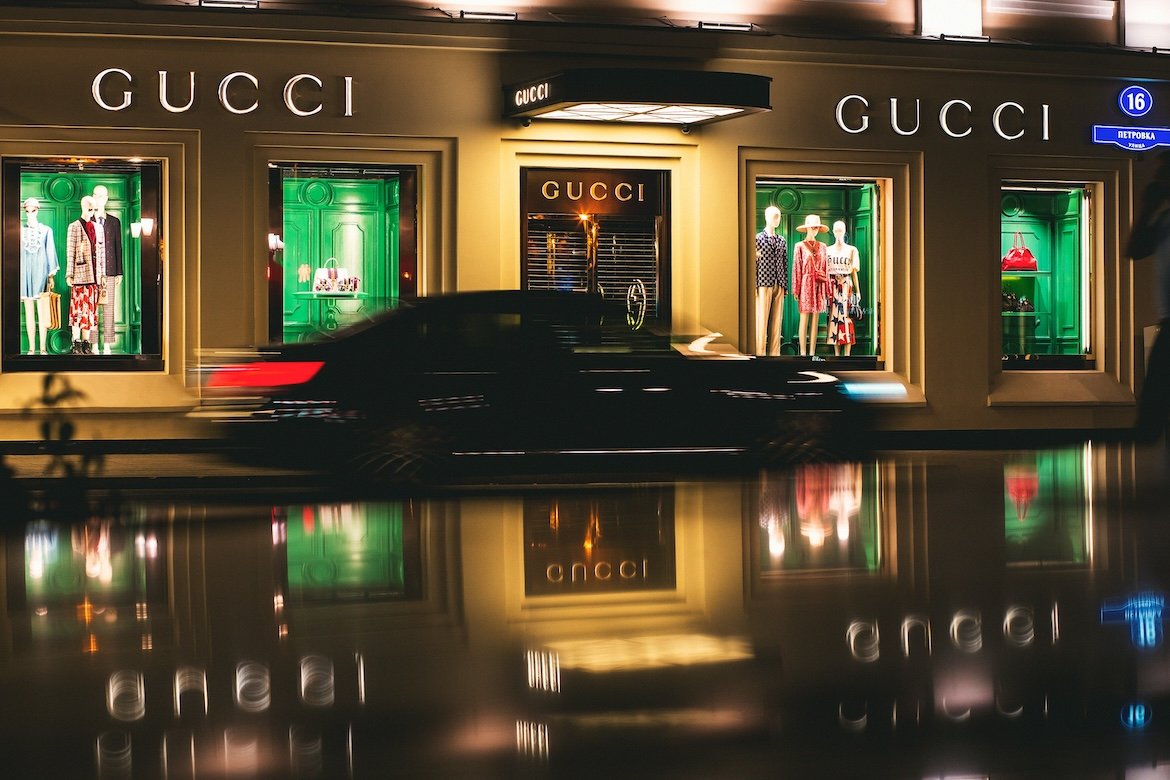
Kering has unveiled an ambitious turnaround strategy aimed at reviving its flagship Gucci brand and doubling group profits over the coming years, as the French luxury group seeks to regain momentum after a period of declining sales.
The announcement comes as Kering faces mounting pressure from investors following weak earnings, including a 6% drop in first-quarter revenue driven by continued softness at Gucci. The brand has struggled to maintain relevance amid shifting consumer preferences and intensifying competition in the luxury sector.
Shares reacted cautiously as investors weighed the credibility of the turnaround plan against ongoing macroeconomic and geopolitical headwinds affecting global demand.
Gucci Turnaround Centers on Brand Reset and Operational Discipline
At the core of Kering’s strategy is a comprehensive repositioning of Gucci, including a renewed focus on product design, brand identity, and pricing strategy.
Management outlined plans to streamline collections, reduce discounting, and enhance exclusivity in an effort to rebuild the brand’s luxury appeal. The company is also investing in creative direction and marketing to better align with evolving consumer tastes.
Operational efficiency is another key pillar of the plan. Kering aims to improve margins through tighter cost controls, optimized supply chains, and more disciplined inventory management.
Executives indicated that the turnaround will take time, with meaningful improvements expected gradually rather than immediately. As previously covered, Gucci has faced several quarters of declining sales, raising concerns about its long-term growth trajectory.
The company is also prioritizing direct-to-consumer channels, including flagship stores and online platforms, to strengthen customer engagement and improve profitability.
Market Skepticism Reflects Execution Risks and Sector Pressures
Despite the ambitious targets, investors remain cautious about Kering’s ability to deliver a sustained recovery, particularly given the broader challenges facing the luxury sector.
Geopolitical tensions, including the ongoing conflict in the Middle East, have weighed on demand, while slower growth in China and Europe has further pressured sales.
Analysts note that doubling profits will require not only a successful Gucci turnaround but also stable performance across Kering’s other brands, including Yves Saint Laurent and Balenciaga.
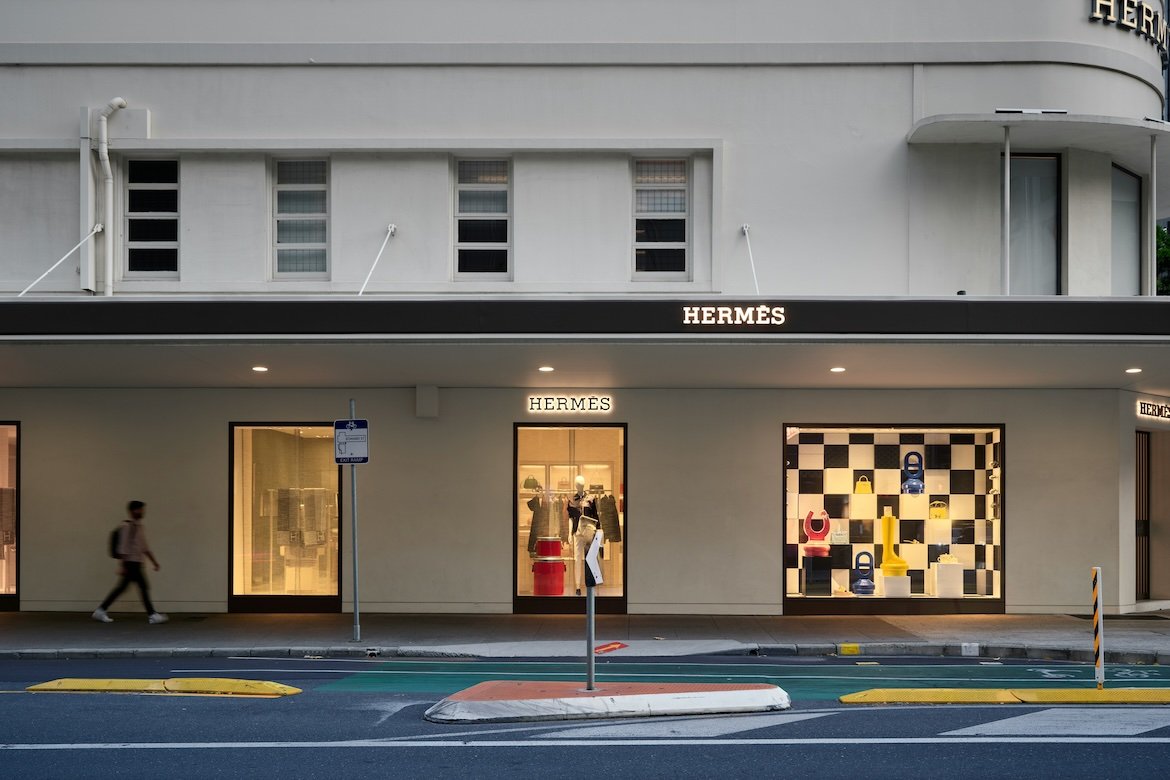
The competitive landscape remains intense, with rivals such as LVMH and Hermès continuing to outperform in terms of brand strength and pricing power.
At the same time, valuation concerns persist as investors reassess growth prospects across the luxury segment.
For Kering, the turnaround plan represents a critical test of its strategic direction. Success will depend on its ability to restore brand desirability, stabilize revenues, and deliver consistent margin expansion.
The coming quarters will be closely watched for early signs of improvement, as markets look for tangible evidence that the Gucci reset is gaining traction.