Finland’s IQM to Go Public at $1.8 Billion, Among Europe’s First Listed Quantum Firms

Finland-based IQM is set to go public at a $1.8 billion valuation, becoming one of Europe’s first listed quantum computing companies. The move marks a milestone for the region’s emerging deep-tech sector.

By Sophia Reynolds | Edited by Oleg Petrenko Published: Updated:
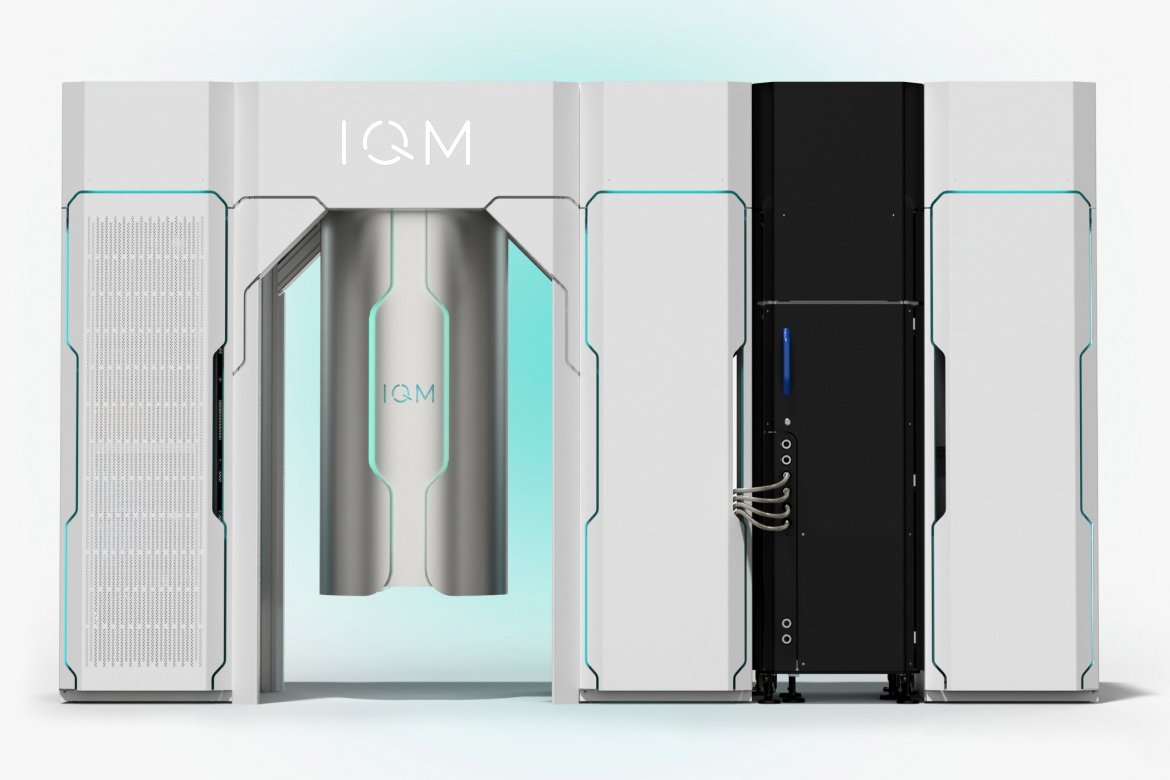
Finland’s IQM is preparing to go public at a $1.8 billion valuation, positioning itself among Europe’s first listed quantum computing firms. The listing represents a significant step forward for the region’s growing deep-tech industry. Photo: IQM Quantum Computers / X

IQM is set to become one of Europe’s first publicly listed quantum computing companies in a transaction valuing the firm at approximately $1.8 billion. The move represents a significant milestone for Europe’s deep-tech ecosystem, as investors increasingly look beyond artificial intelligence to next-generation computing technologies.

The Finnish company, headquartered in Helsinki, has positioned itself as a leading developer of superconducting quantum processors. Its public debut signals growing confidence in the commercial potential of quantum computing, a field long regarded as promising but capital-intensive and technically complex.

The listing comes amid renewed investor interest in frontier technologies as capital flows broaden beyond AI infrastructure and semiconductor plays.

Why IQM’s listing matters for Europe

Europe has historically lagged behind the United States and China in commercializing breakthrough computing technologies. IQM’s public market entry could help close that gap by providing regional investors with direct exposure to quantum innovation.

The $1.8 billion valuation reflects expectations that quantum computing will eventually transform industries such as pharmaceuticals, materials science, cryptography, and complex logistics. While practical, large-scale quantum applications remain in development, companies like IQM are focused on building the hardware foundation needed to scale.

As previously covered, quantum computing has attracted increasing government and institutional backing across the European Union. Public listing could give IQM greater access to capital markets, supporting research, talent acquisition, and industrial partnerships.

Investor outlook and sector risks

Despite the enthusiasm, quantum computing remains a long-term investment theme with substantial uncertainty. Revenues across the sector are still limited, and profitability timelines remain unclear. Investors are effectively betting on future breakthroughs rather than near-term cash flow.

Analysts note that the valuation positions IQM among Europe’s most prominent deep-tech listings, potentially paving the way for additional quantum startups to explore public markets. However, volatility may be high given the early-stage nature of the technology.

The transaction also underscores a broader shift in market appetite. After years dominated by software and AI narratives, investors are increasingly willing to fund hardware-heavy innovation with extended development horizons.

If successful, IQM’s listing could mark the beginning of a new chapter for European technology markets — one in which quantum computing moves from laboratory ambition to publicly traded reality.

Fed Nominee Kevin Warsh Discloses Crypto Investments Worth Over $100 Million

Federal Reserve nominee Kevin Warsh revealed over $100 million in assets, including stakes in crypto and tech ventures, raising questions about potential policy implications.

By Benjamin Harper | Edited by Oleg Petrenko Published:
Federal Reserve nominee Kevin Warsh disclosed more than $100 million in assets, including investments in crypto and technology ventures, prompting questions about potential policy implications. Photo: Oleg Petrenko / MarketSpeaker

Kevin Warsh, a leading candidate for the next Federal Reserve chair, disclosed more than $100 million in personal assets, including investments in cryptocurrency-related companies, according to a recent financial filing that marks a key step in his confirmation process.

The disclosure highlights stakes in firms tied to the digital asset ecosystem, including Ethereum infrastructure provider Tenderly and Latin American crypto platform Lemon Cash. While these investments represent only a portion of his broader portfolio, they underscore Warsh’s exposure to a sector that has faced increasing regulatory attention from U.S. policymakers.

The filing comes as markets closely monitor the nomination process, given the Fed’s central role in shaping monetary policy, financial regulation, and oversight of emerging asset classes such as cryptocurrencies.

Diverse Portfolio Spans Crypto, AI, and Private Markets

Warsh’s financial disclosure shows that the majority of his wealth is concentrated outside the crypto sector. His largest single investment is approximately $100 million in Juggernaut Fund LP, a private investment vehicle.

In addition to larger holdings, Warsh has made smaller venture-style investments typically up to $500,000 per deal through a separate structure. These include stakes in high-profile technology companies such as SpaceX, prediction market platform Polymarket, and several artificial intelligence and fintech startups.

The presence of crypto-related investments, though relatively modest compared to his total assets, is likely to draw scrutiny during Senate confirmation hearings. Regulators have taken a cautious stance toward digital assets, particularly following volatility and high-profile failures in the sector in recent years.

As previously covered, policymakers remain divided on how aggressively to regulate cryptocurrencies, balancing innovation with financial stability risks.

Policy Implications and Market Sensitivity

Warsh’s financial exposure to crypto could raise questions about potential conflicts of interest or policy bias, particularly as the Federal Reserve continues to evaluate its role in overseeing digital asset markets and payment systems.

Investors are likely to watch closely how Warsh addresses these concerns, including whether he commits to divesting certain holdings or recusing himself from related policy decisions if confirmed.

The broader market implications may be nuanced. While the Fed does not directly regulate cryptocurrencies in the same way as securities regulators, its policies on interest rates, liquidity, and banking supervision have significant indirect effects on digital asset markets.

At the same time, Warsh’s background as a former Fed governor and his investment experience across technology sectors may signal a more innovation-friendly approach to financial regulation.

For markets, the key question remains whether leadership at the central bank will lean toward tighter oversight or a more accommodative stance as digital assets become increasingly integrated into the global financial system.

The disclosure adds another layer of complexity to the Fed leadership transition, reinforcing how closely intertwined financial markets, technology innovation, and monetary policy have become.

Novo Nordisk Partners With OpenAI to Accelerate AI-Driven Drug Discovery

Novo Nordisk has partnered with OpenAI to enhance its drug discovery efforts using advanced AI tools, aiming to accelerate identification of new treatments.

By Emma Clarke | Edited by Oleg Petrenko Published: Updated:
Novo Nordisk has entered into a partnership with OpenAI to strengthen its drug discovery capabilities through advanced AI tools, with the goal of accelerating the identification of new treatments. Photo: Oleg Petrenko / MarketSpeaker

Novo Nordisk announced a strategic partnership with OpenAI aimed at accelerating its drug discovery pipeline through advanced artificial intelligence, marking a significant step in the pharmaceutical industry’s push toward data-driven innovation.

The collaboration will enable Novo Nordisk to leverage AI models to process and analyze complex biological and clinical datasets, with the goal of identifying promising drug candidates more efficiently. The Danish drugmaker, best known for its diabetes and obesity treatments, is seeking to shorten development timelines and improve success rates in early-stage research.

Financial terms of the agreement were not disclosed, but the initiative underscores increasing investment across the healthcare sector in AI technologies as companies compete to bring next-generation therapies to market faster.

AI Integration Targets Faster and More Precise Drug Development

At the core of the partnership is the use of advanced machine learning models to uncover patterns in large-scale datasets that would be difficult to detect through traditional research methods. This includes genomic data, clinical trial results, and molecular structures.

Novo Nordisk said the collaboration will focus on improving target identification and validation two of the most critical and time-consuming stages in drug development. By enhancing these processes, the company aims to increase the probability of clinical success and reduce costly late-stage failures.

The move reflects a broader industry trend, as pharmaceutical companies increasingly turn to AI to streamline R&D workflows. As previously covered, firms across the sector have been investing heavily in AI platforms to improve efficiency, reduce development costs, and gain a competitive edge in bringing innovative treatments to market.

Executives highlighted that AI-driven insights could significantly accelerate timelines, potentially shaving years off traditional drug development cycles that typically span more than a decade and cost upwards of $2 billion per successful drug.

Market Implications Highlight Growing AI Investment in Healthcare

The partnership signals Novo Nordisk’s intent to remain at the forefront of innovation amid intensifying competition in the global pharmaceutical market. Investors have closely watched the company’s ability to sustain growth beyond its blockbuster weight-loss and diabetes drugs.

Shares of Novo Nordisk have been supported by strong demand for its GLP-1 treatments, but long-term valuation increasingly depends on the company’s pipeline strength and ability to diversify its portfolio.

By integrating AI into its research processes, Novo Nordisk is positioning itself to enhance productivity and potentially unlock new therapeutic areas, including rare diseases and complex chronic conditions.

The deal also reflects a broader convergence between technology and healthcare, with AI emerging as a critical driver of future growth. Companies that successfully deploy AI at scale could gain significant advantages in speed, cost efficiency, and innovation.

For investors, the collaboration highlights both opportunity and execution risk. While AI offers transformative potential, outcomes remain uncertain, and measurable returns may take years to materialize.

Still, the move reinforces a clear industry direction: pharmaceutical companies are increasingly betting on AI not just as a tool, but as a foundational component of next-generation drug development strategies.

Amazon to Acquire Globalstar in $11.6 Billion Deal to Expand Leo Satellite Network

Amazon agreed to acquire Globalstar to strengthen its low Earth orbit satellite network and accelerate direct-to-device connectivity. The move intensifies competition with SpaceX’s Starlink.

By Daniel Wright | Edited by Oleg Petrenko Published:
Amazon has reached an agreement to acquire Globalstar in a $11.6 billion deal, seeking to enhance its low-Earth orbit satellite network and broaden direct-to-device connectivity capabilities. Photo: Marques Thomas / Unsplash

Amazon has agreed to acquire satellite communications company Globalstar in a deal valued at approximately $11.6 billion, a move designed to accelerate the expansion of its low Earth orbit (LEO) satellite network, Amazon Leo. The acquisition gives Amazon access to Globalstar’s satellite fleet, spectrum licenses, and infrastructure, strengthening its push into space-based internet and mobile connectivity.

Shares of Globalstar surged following the announcement, while Amazon stock also moved modestly higher as investors welcomed the company’s deeper commitment to satellite communications. The deal is expected to close pending regulatory approval, with shareholders offered either $90 per share in cash or equivalent Amazon stock.

Strategic Push Into Direct-to-Device Connectivity

The acquisition is centered on expanding Amazon Leo’s capabilities beyond broadband into direct-to-device (D2D) services, allowing smartphones and other devices to connect directly to satellites without relying on terrestrial networks.

Amazon said Globalstar’s expertise in mobile satellite services and its globally licensed spectrum will enable Leo to deliver voice, messaging, and data services in remote or underserved regions. This includes emergency communications and basic connectivity where traditional cellular coverage is unavailable.

The company is targeting a rollout of next-generation D2D services by 2028, positioning itself in a fast-growing segment of the satellite market.

A key component of the deal is Amazon’s expanded partnership with Apple. Under the agreement, Amazon Leo will power satellite features on supported iPhone and Apple Watch models, including emergency messaging and roadside assistance services.

As previously covered, demand for satellite-based connectivity has increased as telecom operators and tech firms seek to extend coverage globally without building costly ground infrastructure. The integration of D2D services is widely seen as a critical next step in the evolution of mobile networks.

Competition With Starlink and Execution Risks

Amazon’s move intensifies its rivalry with SpaceX’s Starlink, which currently dominates the LEO satellite market with thousands of satellites in orbit and millions of users worldwide.

While Amazon has launched only a few hundred satellites to date, it plans to deploy more than 3,200 satellites by the end of the decade.

The Globalstar acquisition provides an immediate boost in infrastructure and spectrum access, but analysts caution that execution risks remain. Launch bottlenecks and reliance on third-party rockets have slowed Amazon’s rollout, potentially limiting near-term competitiveness.

Still, investors appear optimistic about the long-term opportunity. The global satellite internet market is expected to expand rapidly, driven by enterprise demand, government contracts, and increasing reliance on always-on connectivity.

For Amazon, the deal represents a strategic bet on the convergence of cloud computing, telecommunications, and space infrastructure. By integrating Leo with its broader ecosystem, including AWS, the company aims to capture a significant share of future connectivity spending.

The success of the Globalstar acquisition will ultimately depend on Amazon’s ability to scale its satellite deployment and deliver reliable services at competitive costs—factors that will shape investor sentiment in the quarters ahead.

Blue Origin Develops Technology to Extract Oxygen From Lunar Soil

Blue Origin has developed a system to extract oxygen from lunar soil, a breakthrough that could support future Moon bases. The technology also produces usable metals for construction.

By Emma Clarke | Edited by Oleg Petrenko Published:
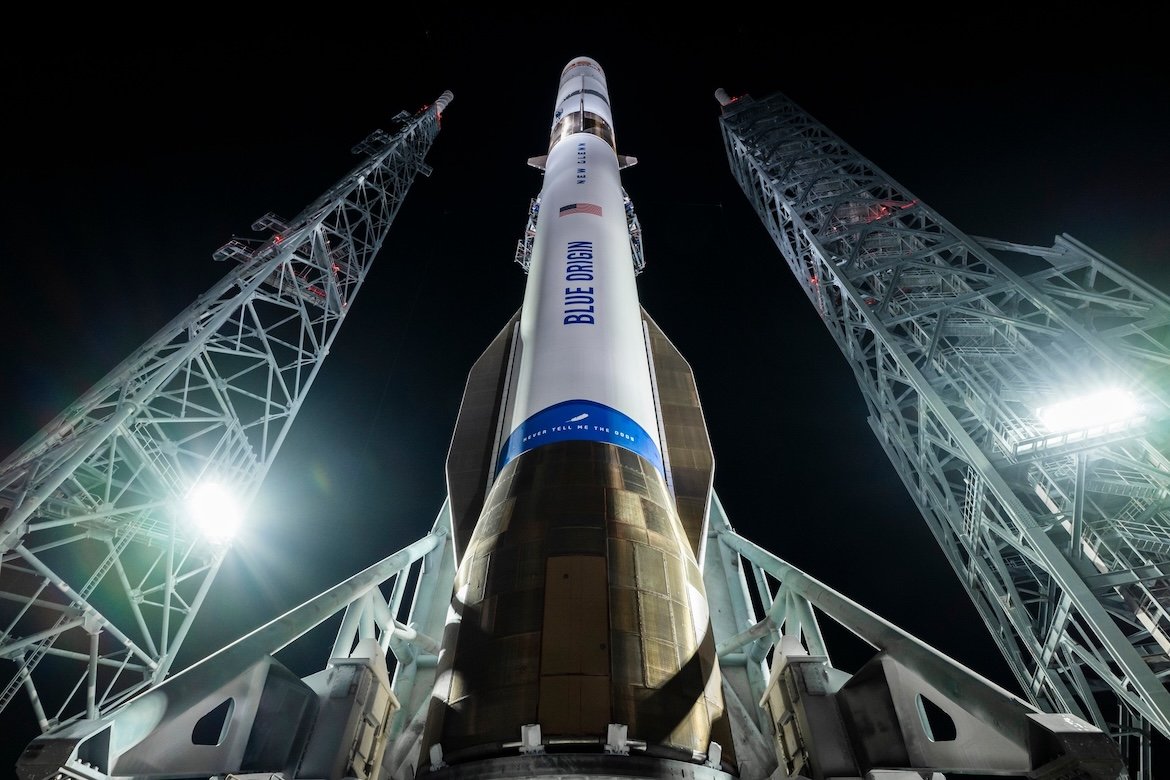
Blue Origin has developed a system that extracts oxygen from lunar soil, a breakthrough that could enable future Moon bases while also producing usable metals for construction. Photo: Blue Origin / Facebook

Blue Origin, the space venture founded by Jeff Bezos, has developed a technology capable of extracting oxygen from lunar soil, marking a significant step toward building sustainable infrastructure on the Moon.

The system works by heating lunar regolith to approximately 1,600°C, then using an electric current to separate oxygen ions from metal and silicon components. The process produces breathable oxygen alongside metals that can be used for construction.

The technology has already been tested on samples collected during the Apollo missions, successfully generating oxygen and usable materials.

Breakthrough in In-Situ Resource Utilization

The development represents a major advance in in-situ resource utilization (ISRU), a key concept for long-term space exploration.

By producing oxygen directly from lunar materials, missions could significantly reduce the need to transport resources from Earth, lowering costs and increasing sustainability.

As previously covered, establishing a permanent human presence on the Moon will require reliable access to air, water, and building materials. The ability to extract both oxygen and metals from regolith could enable the construction of habitats, infrastructure, and fuel systems directly on the lunar surface.

Implications for Space Economy and Future Missions

The breakthrough positions Blue Origin as a key player in the emerging space economy, where companies are racing to develop technologies for off-Earth resource utilization.

For investors and policymakers, such advancements highlight the growing commercial potential of lunar exploration and infrastructure development. The ability to generate essential resources on-site could accelerate timelines for Moon bases and future missions to Mars.

However, challenges remain, including scaling the technology for real-world deployment and integrating it into broader mission architectures. Still, the successful demonstration marks a critical milestone, reinforcing the role of private space companies in shaping the next phase of human space exploration.

Cocoa Prices Collapse Nearly 80% After Record Highs

Cocoa prices have plunged nearly 60% from 2025 highs, extending losses into 2026. The sharp decline follows a historic rally that peaked in late 2024.

By Nathan Cole | Edited by Oleg Petrenko Published:
Cocoa prices have dropped nearly 60% from their 2025 highs, with losses extending into 2026, following a historic rally that peaked in late 2024. Photo: Elly Mar Tamayor / Pexels

Cocoa prices have fallen sharply after reaching historic highs, dropping from around $12,100 in 2025 to approximately $5,800, a decline of nearly 60% over the year. The selloff has accelerated into 2026, with prices falling another 50% to around $2,900, marking one of the steepest reversals in recent commodity market history.

The correction follows a dramatic rally that pushed cocoa prices to nearly $14,000 per tonne in December 2024, driven by supply shortages and strong global demand.

From Historic Rally to Rapid Collapse

The earlier surge in cocoa prices was fueled by supply disruptions in key producing regions, particularly in West Africa, where weather conditions and crop disease impacted output.

As previously covered, tight supply and rising demand from the global chocolate industry pushed prices to unprecedented levels, attracting speculative inflows into the market. However, as supply conditions began to stabilize and demand growth moderated, prices reversed sharply, triggering a wave of selling.

The magnitude of the decline reflects how quickly sentiment can shift in commodity markets once supply constraints ease.

Implications for Commodities and Investors

The collapse in cocoa prices highlights the extreme volatility often seen in agricultural commodities, where prices can swing rapidly based on weather, production cycles, and global demand trends.

For investors, the sharp correction underscores the risks of entering markets at peak levels, particularly during periods of speculative momentum. At the same time, lower prices may provide relief for manufacturers and consumers, potentially stabilizing costs across the food industry. Analysts note that while short-term volatility remains high, long-term demand for cocoa is still supported by global consumption trends. The recent price collapse serves as a reminder that commodity cycles can reverse quickly, especially after periods of historic highs.

Exit mobile version