Amazon has agreed to acquire satellite communications company Globalstar in a deal valued at approximately $11.6 billion, a move designed to accelerate the expansion of its low Earth orbit (LEO) satellite network, Amazon Leo. The acquisition gives Amazon access to Globalstar’s satellite fleet, spectrum licenses, and infrastructure, strengthening its push into space-based internet and mobile connectivity.
Shares of Globalstar surged following the announcement, while Amazon stock also moved modestly higher as investors welcomed the company’s deeper commitment to satellite communications. The deal is expected to close pending regulatory approval, with shareholders offered either $90 per share in cash or equivalent Amazon stock.
Strategic Push Into Direct-to-Device Connectivity
The acquisition is centered on expanding Amazon Leo’s capabilities beyond broadband into direct-to-device (D2D) services, allowing smartphones and other devices to connect directly to satellites without relying on terrestrial networks.
Amazon said Globalstar’s expertise in mobile satellite services and its globally licensed spectrum will enable Leo to deliver voice, messaging, and data services in remote or underserved regions. This includes emergency communications and basic connectivity where traditional cellular coverage is unavailable.
The company is targeting a rollout of next-generation D2D services by 2028, positioning itself in a fast-growing segment of the satellite market.
A key component of the deal is Amazon’s expanded partnership with Apple. Under the agreement, Amazon Leo will power satellite features on supported iPhone and Apple Watch models, including emergency messaging and roadside assistance services.
As previously covered, demand for satellite-based connectivity has increased as telecom operators and tech firms seek to extend coverage globally without building costly ground infrastructure. The integration of D2D services is widely seen as a critical next step in the evolution of mobile networks.
Competition With Starlink and Execution Risks
Amazon’s move intensifies its rivalry with SpaceX’s Starlink, which currently dominates the LEO satellite market with thousands of satellites in orbit and millions of users worldwide.
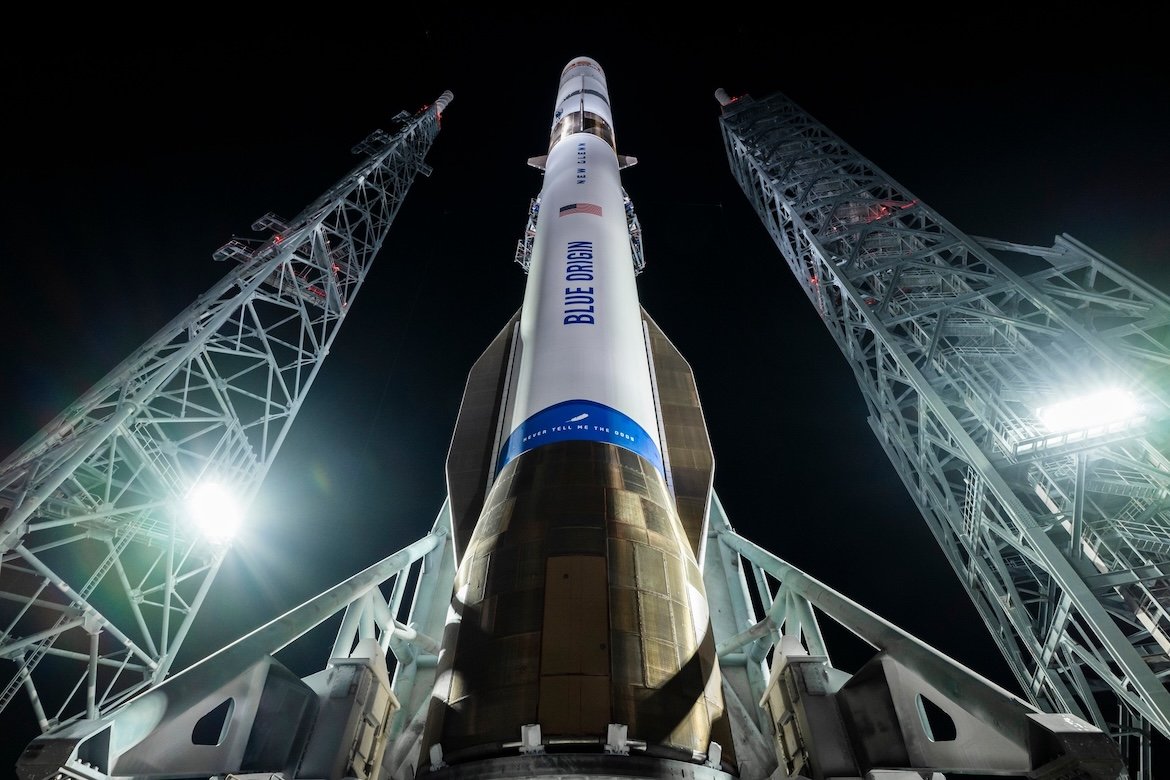
While Amazon has launched only a few hundred satellites to date, it plans to deploy more than 3,200 satellites by the end of the decade.
The Globalstar acquisition provides an immediate boost in infrastructure and spectrum access, but analysts caution that execution risks remain. Launch bottlenecks and reliance on third-party rockets have slowed Amazon’s rollout, potentially limiting near-term competitiveness.
Still, investors appear optimistic about the long-term opportunity. The global satellite internet market is expected to expand rapidly, driven by enterprise demand, government contracts, and increasing reliance on always-on connectivity.
For Amazon, the deal represents a strategic bet on the convergence of cloud computing, telecommunications, and space infrastructure. By integrating Leo with its broader ecosystem, including AWS, the company aims to capture a significant share of future connectivity spending.
The success of the Globalstar acquisition will ultimately depend on Amazon’s ability to scale its satellite deployment and deliver reliable services at competitive costs—factors that will shape investor sentiment in the quarters ahead.