Adobe has announced a $25 billion share buyback program, signaling a strong commitment to returning capital to shareholders while addressing investor concerns over intensifying competition in artificial intelligence.
The repurchase authorization will run through April 2030, giving the company flexibility to execute buybacks over the coming years. The move comes as Adobe faces growing scrutiny over how effectively it can compete with emerging AI tools reshaping the creative software landscape.
Shares reacted modestly following the announcement, as investors weighed the impact of capital returns against long-term growth prospects in an increasingly competitive environment.
Buyback Aims to Support Valuation Amid AI Competition
The buyback program is widely seen as a strategic effort to stabilize Adobe’s stock and reinforce confidence in its underlying business model.
Companies often deploy share repurchases to signal that management views the stock as undervalued, while also improving earnings per share by reducing the number of outstanding shares.
Adobe’s move comes amid rising competition from AI-driven platforms that offer automated design, image generation, and content creation tools—areas that overlap with its core products.
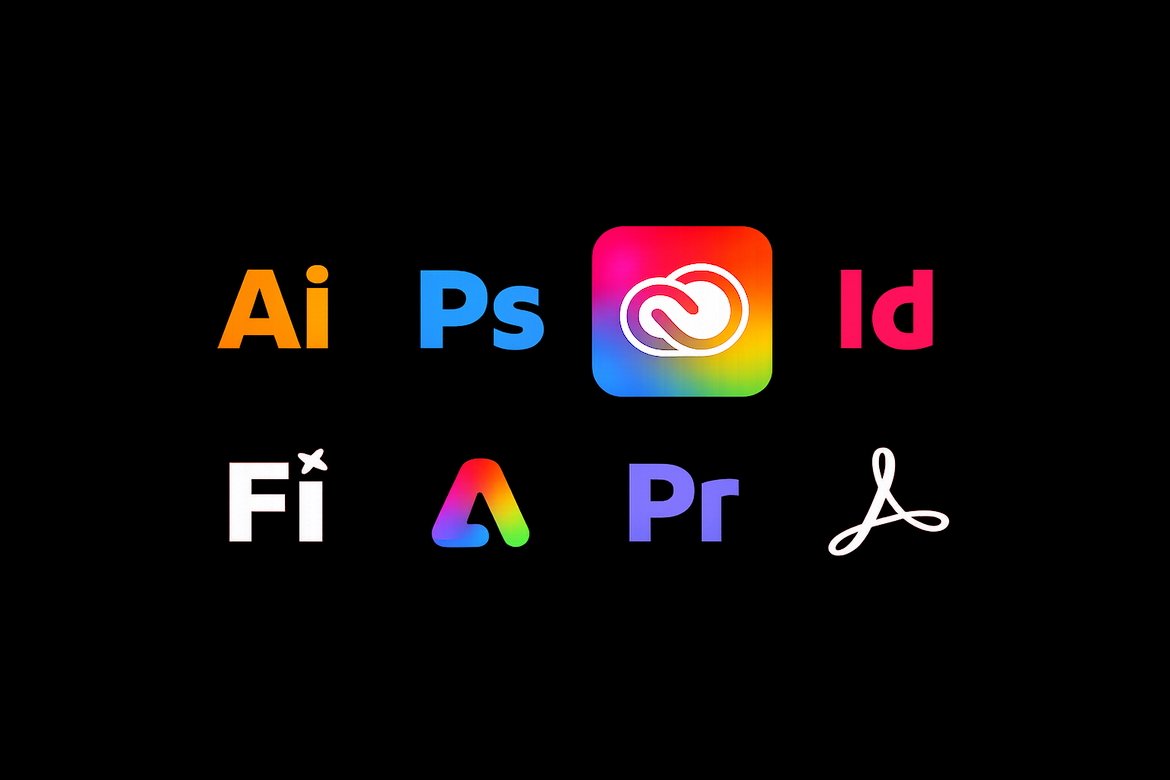
In response, Adobe has been investing heavily in its own AI capabilities, including its Firefly platform, which integrates generative AI features across its Creative Cloud ecosystem.
As previously covered, the emergence of generative AI has disrupted traditional software models, forcing incumbents to adapt quickly to maintain market share.
Market Reaction Reflects Balance Between Growth and Capital Returns
The announcement highlights a broader tension facing technology companies: balancing investment in future growth with the need to deliver near-term shareholder returns.
While the $25 billion buyback provides immediate support for Adobe’s stock, investors remain focused on the company’s ability to monetize AI innovations and defend its competitive position.
Analysts note that Adobe continues to generate strong cash flow, providing the financial flexibility to fund both buybacks and ongoing AI development.
However, questions remain about pricing power and customer retention as lower-cost or free AI tools gain traction among users.
For investors, the key issue is whether Adobe can successfully integrate AI into its platform in a way that drives incremental revenue rather than cannibalizing its existing business.
The buyback underscores management’s confidence in the company’s long-term outlook, but also reflects the growing importance of AI as a defining factor in valuation and investor sentiment.