Tesla Expands Robotaxi Service to Dallas and Houston

Tesla launched its robotaxi service in Dallas and Houston, marking a further expansion of its autonomous ride-hailing network in the U.S.

By Daniel Wright | Edited by Oleg Petrenko Published:
Tesla rolled out its robotaxi service in Dallas and Houston, expanding its autonomous ride-hailing network further across the U.S. Photo: Maxim / Unsplash

Tesla has expanded its robotaxi service to Dallas and Houston, extending its autonomous ride-hailing network beyond its initial launch in Austin and accelerating its push into AI-driven mobility.

The company showcased its Model Y vehicles operating without a human driver or front-seat monitor, signaling continued progress in fully autonomous driving technology. Tesla also released service maps outlining coverage areas in both cities, though it did not disclose details on fleet size or pricing.

The expansion marks a significant milestone in Tesla’s broader strategy to commercialize self-driving technology and generate new revenue streams beyond traditional vehicle sales.

Autonomous Expansion Signals Progress in AI-Driven Mobility

Tesla’s robotaxi rollout reflects years of investment in its Full Self-Driving (FSD) software, which relies heavily on neural networks and real-world driving data to improve performance.

By launching in multiple cities, Tesla is testing the scalability of its autonomous system in different traffic environments, road conditions, and regulatory frameworks.

Dallas and Houston represent large, high-traffic urban markets, offering a critical testing ground for refining the service and gathering additional data.

As previously covered, Tesla has positioned its robotaxi initiative as a key pillar of its long-term growth strategy, with CEO Elon Musk previously suggesting the service could significantly boost the company’s valuation if successfully scaled.

The move also places Tesla in direct competition with other autonomous ride-hailing providers, including Alphabet’s Waymo and traditional mobility platforms exploring driverless solutions.

Market Implications Highlight New Revenue Opportunities and Risks

The expansion of robotaxi services is being closely watched by investors as a potential catalyst for Tesla’s next phase of growth.

Autonomous ride-hailing could offer higher-margin revenue streams compared to vehicle sales, particularly if Tesla can achieve large-scale deployment with minimal human oversight.

However, significant challenges remain, including regulatory approval, safety validation, and public adoption. The absence of disclosed pricing or fleet size suggests the service is still in an early-stage rollout phase.

At the same time, competition in the autonomous driving space continues to intensify, with both technology companies and automakers investing heavily in similar capabilities.

For markets, Tesla’s expansion reinforces a key theme: AI-driven mobility is emerging as one of the most important battlegrounds in the next generation of transportation.

Investors will be watching closely for updates on usage metrics, safety performance, and revenue contribution as Tesla continues to scale its robotaxi network.


Robotics Stocks to Watch in 2026 as AI Drives Industry Growth

Robotics stocks including AeroVironment, Rockwell, and Symbotic are gaining attention as AI adoption accelerates automation across industries in 2026.

By Daniel Wright | Edited by Oleg Petrenko Published:
Robotics stocks such as AeroVironment, Rockwell, and Symbotic are attracting increased attention as AI adoption accelerates automation across industries in 2026. Photo: Kindel Media / Pexels

Robotics stocks are drawing renewed investor interest in 2026 as artificial intelligence accelerates automation across industries, from manufacturing and logistics to defense and autonomous systems.

Companies including AeroVironment, Rockwell Automation, Symbotic, Tesla, Honeywell and Teradyne are emerging as key players in this trend, supported by strong revenue growth and expanding commercial adoption of robotics technologies.

The sector is benefiting from a structural shift as businesses seek to reduce labor costs, improve efficiency, and deploy AI-powered systems capable of handling increasingly complex tasks.

AI Adoption and Automation Demand Drive Sector Momentum

AeroVironment has stood out with rapid growth, reporting revenue expansion of over 140% and securing more than $1.1 billion in orders, driven by demand for autonomous drones and defense-related robotics systems.

Rockwell Automation has delivered steady performance, with sales rising about 12% and operating profits increasing 36%, reflecting strong demand for industrial automation and control systems.

Warehouse robotics firm Symbotic has also gained traction, reaching approximately $630 million in revenue and achieving profitability milestones as retailers scale automation in logistics operations.

Meanwhile, Tesla continues to generate investor attention through its Optimus humanoid robot program, which aims to integrate AI into manufacturing and potentially broader commercial applications.

Honeywell and Teradyne are expanding their automation portfolios, focusing on industrial robotics, testing systems, and collaborative robots, positioning themselves to benefit from long-term growth in factory and warehouse automation.

As previously covered, the convergence of AI and robotics is creating new commercial use cases, enabling machines to operate more flexibly in real-world environments.

Market Outlook Points to Long-Term Structural Opportunity

The robotics sector is increasingly viewed as a multi-decade growth opportunity, with applications extending beyond traditional manufacturing into healthcare, logistics, and autonomous mobility.

Analysts highlight that rising labor costs and supply chain complexity are driving sustained demand for automation solutions, while AI advancements are improving the adaptability and efficiency of robotic systems.

At the same time, investor enthusiasm has been amplified by the broader AI boom, which continues to attract capital into adjacent sectors such as robotics and industrial automation.

However, risks remain. Many companies in the sector face high capital requirements, long development cycles, and competitive pressures from both established players and emerging startups.

For investors, the key focus will be on companies that demonstrate consistent revenue growth, scalable business models, and clear pathways to profitability.

The outlook for 2026 suggests that robotics is transitioning from a niche technology theme into a core pillar of the global economy, with significant implications for labor markets, productivity, and corporate investment strategies.

Nvidia Rival Euclyd Seeks $118 Million as Europe’s AI Chip Market Gains Momentum

Dutch chip startup Euclyd is targeting at least €100 million in funding as Europe ramps up efforts to compete in the fast-growing AI semiconductor market.

By Daniel Wright | Edited by Oleg Petrenko Published:
Dutch chip startup Euclyd is seeking at least €100 million in funding as Europe intensifies efforts to compete in the rapidly expanding AI semiconductor market. Photo: Oleg Petrenko / MarketSpeaker

Dutch semiconductor startup Euclyd is seeking to raise at least €100 million (approximately $118 million) in new funding, positioning itself as a potential challenger to Nvidia amid surging demand for AI chips.

The company, backed by the former chief executive of ASML, is currently in discussions with investors as Europe intensifies efforts to build a competitive domestic semiconductor ecosystem.

The fundraising effort comes at a time when global demand for AI chips continues to accelerate, driven by the rapid adoption of artificial intelligence across industries.

European Push to Build AI Chip Independence

Euclyd’s ambitions reflect a broader strategic push across Europe to reduce reliance on U.S. and Asian semiconductor giants.

The region has increasingly prioritized chip sovereignty, investing heavily in domestic production capabilities and innovation as geopolitical tensions reshape global supply chains.

Euclyd aims to develop advanced processors tailored for AI workloads, focusing on efficiency and performance to compete in a market currently dominated by Nvidia.

The involvement of leadership with ties to ASML one of the world’s most critical suppliers of chipmaking equipment adds credibility to the startup’s technical and strategic positioning.

As previously covered, governments and private investors across Europe have ramped up funding for semiconductor initiatives, viewing the sector as essential to economic security and technological competitiveness.

Market Implications Highlight Intensifying AI Chip Competition

The push by emerging players like Euclyd underscores how competitive the AI chip market has become, with new entrants seeking to capitalize on soaring demand.

Nvidia remains the dominant force in AI hardware, but rising demand and supply constraints have created opportunities for alternative providers.

Investors are increasingly interested in backing companies that can offer differentiated solutions, particularly in areas such as energy efficiency and specialized AI processing.

However, the barriers to entry remain high, requiring significant capital investment, advanced engineering capabilities, and long development timelines.

For markets, Euclyd’s fundraising effort highlights a key trend: the AI chip race is expanding beyond traditional leaders, with regional players seeking to carve out a share of a rapidly growing market.

The outcome of this competition will play a crucial role in shaping the future of AI infrastructure and global technology leadership.

Uber Raises Stake in Delivery Hero With $318 Million Deal

Uber increased its stake in Delivery Hero through a $318 million share purchase, strengthening its position in the competitive food delivery market.

By Daniel Wright | Edited by Oleg Petrenko Published:
Uber boosted its stake in Delivery Hero with a $318 million share purchase, reinforcing its position in the highly competitive food delivery market. Photo: John M / Pexels

Uber has increased its stake in Delivery Hero through a $318 million deal, acquiring an additional 4.5% shareholding from Prosus and reinforcing its strategic position in the global food delivery market.

The transaction, valued at approximately €270 million, raises Uber’s total stake in the Berlin-based delivery company to around 7%, making it one of the firm’s largest shareholders.

The move highlights Uber’s continued push to expand its presence in Europe, where competition among food delivery platforms remains intense and margins are under pressure.

Strategic Investment Signals Deeper Push Into European Delivery Market

Uber’s decision to increase its stake in Delivery Hero reflects a broader strategy to strengthen its foothold in key European markets, including Austria, Denmark, and Greece.

By investing in a major regional player rather than pursuing a full acquisition, Uber gains exposure to local market dynamics while maintaining operational flexibility.

Delivery Hero operates in around 65 countries and has built strong positions across Europe, Asia, and the Middle East, making it an attractive partner for global expansion.

The deal also comes as Prosus, Delivery Hero’s largest shareholder, reduces its stake to comply with European regulatory requirements tied to its acquisition of Just Eat Takeaway.

As previously covered, consolidation and strategic partnerships have become a defining trend in the food delivery sector, as companies seek scale and efficiency in a highly competitive environment.

Market Implications Highlight Consolidation Trend in Food Delivery

The investment underscores increasing consolidation across the global food delivery industry, where rising costs and competitive pressures are pushing companies toward partnerships and minority stakes.

Uber’s expanded position could provide strategic insights into Delivery Hero’s operations, while also offering potential financial upside if the company improves profitability.

Analysts note that the deal is unlikely to signal an immediate takeover but may open the door for deeper collaboration or future transactions, depending on market conditions.

The broader industry is also undergoing structural changes, including the adoption of automation and AI-driven logistics, which could significantly reshape cost structures over time.

For investors, the deal reflects a key theme: major platforms are seeking strategic positioning rather than outright dominance, balancing growth opportunities with regulatory constraints.

The transaction reinforces Uber’s long-term commitment to the delivery business, even as competition intensifies and profitability remains a central challenge across the sector.

Oil Falls to $81 as Iran Reopens Strait of Hormuz, U.S. Markets Add $430 Billion

Oil dropped to $81 per barrel after Iran reopened the Strait of Hormuz, while U.S. markets surged, adding roughly $430 billion in market value.

By Nathan Cole | Edited by Oleg Petrenko Published:
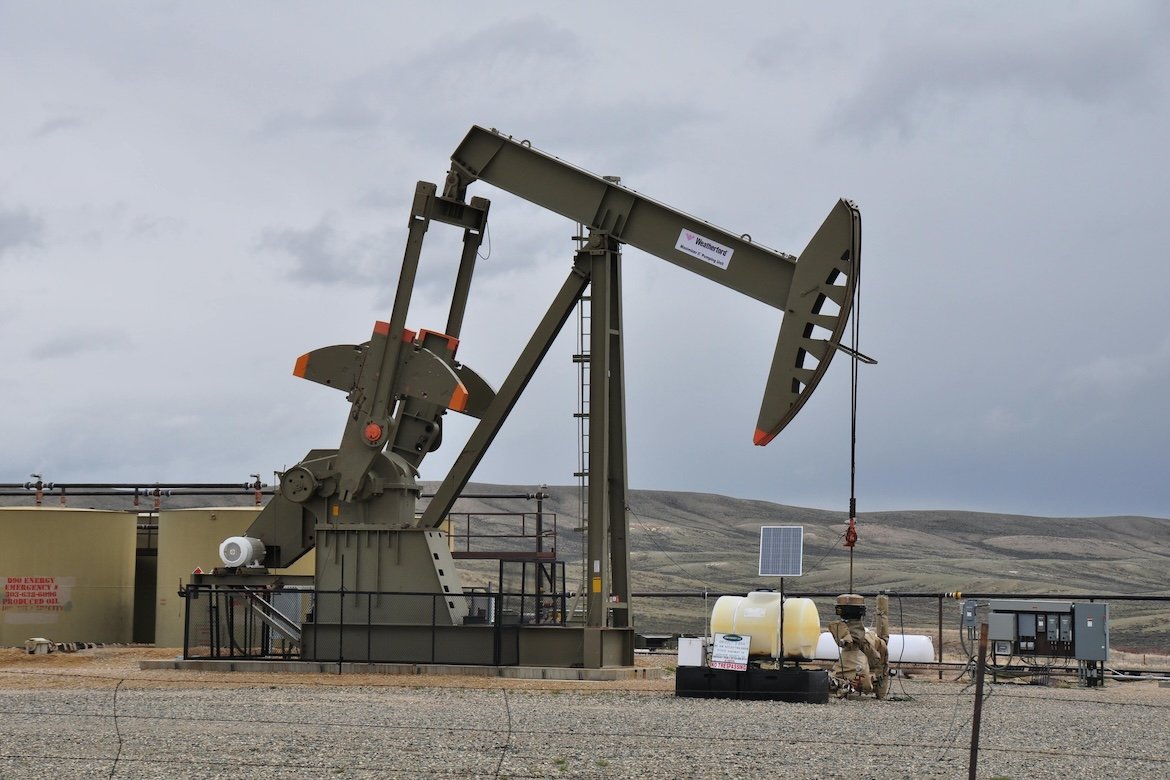
Oil fell to around $81 per barrel after Iran reopened the Strait of Hormuz, while U.S. equities rallied sharply, adding roughly $430 billion in market value. Photo: Tom Fournier / Pexels

Oil prices in the United States fell to approximately $81 per barrel after Iran officially reopened the Strait of Hormuz for the remainder of a ceasefire period, easing fears of supply disruptions across global energy markets.

The Strait, a critical chokepoint for nearly 20% of global oil shipments, had been at the center of recent geopolitical tensions. Its reopening prompted traders to unwind risk premiums that had pushed crude prices higher in recent sessions.

At the same time, U.S. equity markets surged, with major indexes posting solid gains as investor sentiment improved on the back of reduced geopolitical risk.

The S&P 500 rose 0.73%, adding roughly $430 billion in market capitalization, while the Nasdaq gained 0.89%, increasing its value by approximately $180 billion. The Dow Jones Industrial Average climbed 1.2%, contributing an additional $120 billion in market value.

Easing Supply Risks Drive Oil Price Decline

The reopening of the Strait of Hormuz significantly reduces immediate concerns about disruptions to oil flows from the Middle East, a region central to global energy supply.

During the peak of tensions, markets had priced in the possibility of restricted shipping routes, pushing oil prices higher. The latest development has reversed part of that surge, bringing prices back toward more stable levels.

Lower oil prices could help ease inflationary pressures, particularly in sectors heavily dependent on fuel costs, such as transportation and manufacturing.

As previously covered, geopolitical developments in the Middle East remain one of the most important drivers of short-term oil price volatility.

Equity Rally Reflects Sharp Shift in Risk Sentiment

The rebound in U.S. equities highlights how quickly markets can react to changes in geopolitical risk.

Lower energy prices tend to support corporate margins and consumer spending, while also reducing pressure on central banks to maintain restrictive monetary policy.

Technology stocks led gains, benefiting from declining inflation expectations and improved risk appetite, while industrial and consumer sectors also advanced on the prospect of more stable global conditions.

The $430 billion increase in market capitalization underscores the scale of the market’s response, reflecting a broad-based rally across sectors.

However, analysts caution that the situation remains fluid. Any renewed escalation in the region could quickly reverse gains in both oil and equity markets.

For investors, the latest move reinforces a key theme: global markets remain highly sensitive to geopolitical developments, with energy prices and equity valuations closely tied to shifts in risk perception.

Madison Air Raises $2.23 Billion in Largest U.S. Industrial IPO in 27 Years

Madison Air Solutions raised $2.23 billion in its IPO, marking the largest U.S. industrial listing in nearly three decades and signaling strong investor demand.

By Michael Foster | Edited by Oleg Petrenko Published:
Madison Air Solutions raised $2.23 billion in its IPO, marking the largest U.S. industrial listing in nearly three decades and reflecting strong investor demand. Photo: Oleg Petrenko / MarketSpeaker

Madison Air Solutions raised $2.23 billion in its initial public offering, pricing shares at $27 each the top end of its targeted range in what marks the largest U.S. industrial IPO in 27 years.

The deal represents the biggest U.S. listing of 2026 so far and signals renewed strength in the IPO market, particularly for industrial and infrastructure-focused companies. The company’s strong debut highlights investor appetite for businesses tied to energy efficiency, cooling systems, and large-scale industrial operations.

Shares traded higher following the listing, reflecting robust demand from institutional investors seeking exposure to stable, cash-generating sectors amid broader market uncertainty.

Strong Demand Signals Revival in Industrial IPO Market

The successful offering comes at a time when IPO activity is rebounding after a period of muted issuance, driven by higher interest rates and market volatility in prior years.

Madison Air’s ability to price at the top of its range indicates strong order books and confidence in its long-term growth prospects. The company operates in the industrial cooling and ventilation segment, a market benefiting from increased demand tied to data centers, manufacturing, and energy infrastructure.

Analysts note that rising global demand for cooling solutions particularly in AI-driven data centers is creating a structural tailwind for companies in this space.

As previously covered, infrastructure supporting AI and digital transformation has become a key investment theme, attracting both public and private capital.

The IPO also reflects a broader shift in investor preferences toward companies with tangible assets and predictable revenue streams, especially in a higher-rate environment.

Market Implications Highlight IPO Momentum and Sector Rotation

The scale of the Madison Air listing suggests that the IPO window is reopening, with investors showing willingness to back large-cap industrial offerings.

Market participants are increasingly rotating into sectors perceived as more resilient, including industrials, energy infrastructure, and utilities, as opposed to higher-growth but more volatile technology segments.

At the same time, the success of the offering could encourage other companies to accelerate their own IPO plans, particularly those that delayed listings during periods of market instability.

The deal also adds momentum to expectations for a strong IPO pipeline in 2026, with several high-profile listings anticipated across sectors including AI, space, and technology.

For investors, Madison Air’s debut will serve as a key test case for how public markets value industrial growth stories in the current macroeconomic environment.

The company’s performance in the coming quarters will be closely watched as an indicator of broader IPO market health and investor sentiment toward capital-intensive industries.

Exit mobile version