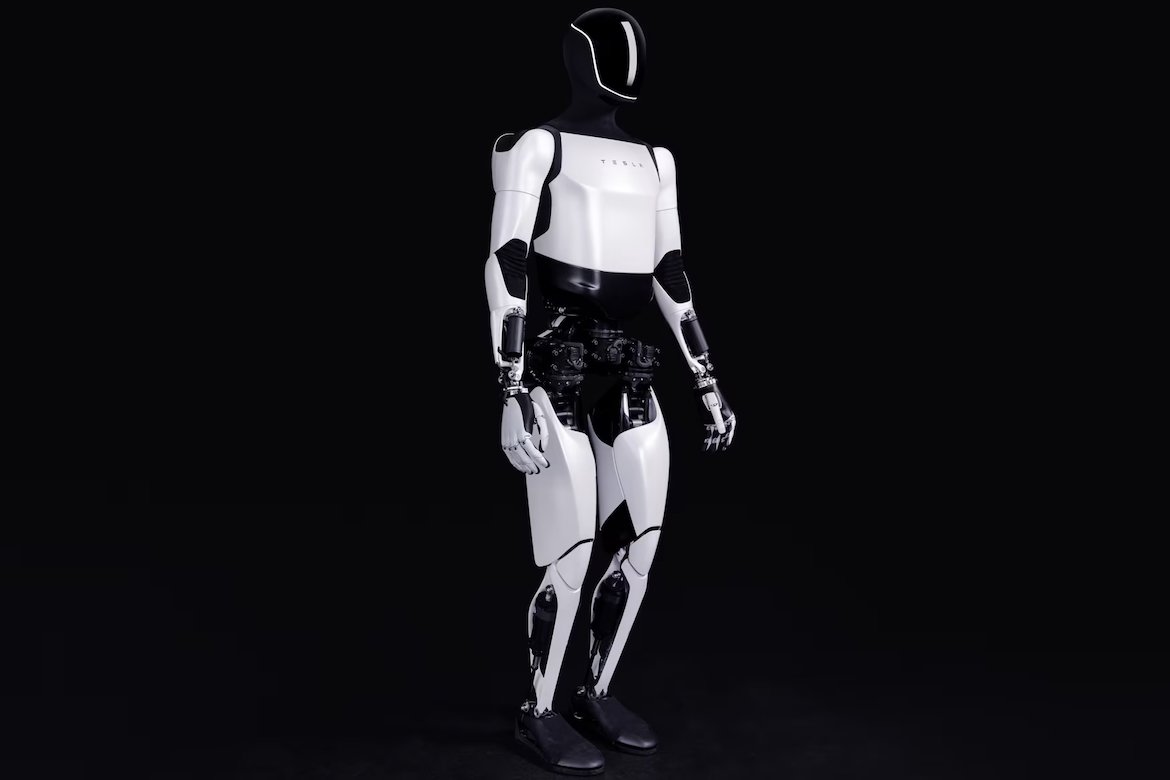
Tesla will discontinue production of its flagship Model S and Model X vehicles and repurpose its Fremont, California, factory to manufacture humanoid robots, marking one of the most dramatic strategic shifts in the company’s history. Chief executive Elon Musk said Tesla plans to complete the final production of the two models as early as the second quarter before retooling the facility.
Musk described the move as a “transition to the future,” signaling Tesla’s intention to pivot away from low-volume premium vehicles toward what it views as a far larger long-term opportunity in robotics. Once fully converted, the Fremont plant is expected to produce up to one million Optimus humanoid robots per year.
The decision underscores Tesla’s evolving identity, positioning the company less as a traditional automaker and more as an artificial intelligence and robotics firm.
Why Tesla is pivoting away from Model S and X
Model S and Model X were instrumental in establishing Tesla as a premium electric vehicle brand, but their relative importance has diminished over time. Compared with mass-market models such as the Model 3 and Model Y, the two vehicles account for a small share of Tesla’s overall deliveries while requiring complex and costly production processes.
Musk has repeatedly argued that Tesla’s future value lies in scalable technologies built on artificial intelligence rather than in incremental vehicle upgrades. As previously covered, Tesla has been investing heavily in AI training, autonomous systems, and robotics, with Optimus positioned as a core pillar of that strategy.
By reallocating Fremont – one of Tesla’s most advanced manufacturing sites – to robotics, the company is prioritizing capacity for products it believes can achieve far greater unit volumes and margins over time. The goal of producing up to one million robots annually reflects Musk’s view that humanoid robots could ultimately outnumber cars in economic importance.
What the shift means for investors and markets
For investors, the announcement reinforces Tesla’s long-term bet on non-automotive revenue streams. While the end of Model S and X production removes two iconic products from Tesla’s lineup, their financial contribution has been modest relative to the company’s broader operations.
The pivot also raises execution risks. Scaling humanoid robot production to industrial levels presents significant technical and regulatory challenges, and commercial demand for such robots remains largely unproven. Analysts note that while the opportunity is potentially enormous, timelines and profitability are uncertain.
At the same time, the move could reshape how markets value Tesla. If investors increasingly view the company as a robotics and AI platform rather than a carmaker, valuation frameworks may shift accordingly, placing greater emphasis on future optionality rather than near-term vehicle margins.
Looking ahead, attention will focus on Tesla’s progress in deploying Optimus in real-world applications and on whether the Fremont conversion proceeds on schedule. Musk’s vision marks a bold departure from conventional automotive strategy – one that could redefine Tesla’s role in global technology markets if successful.