Global markets were rocked as oil prices surged toward $120 per barrel amid escalating conflict involving Iran, raising fears of severe disruptions to global energy supplies.
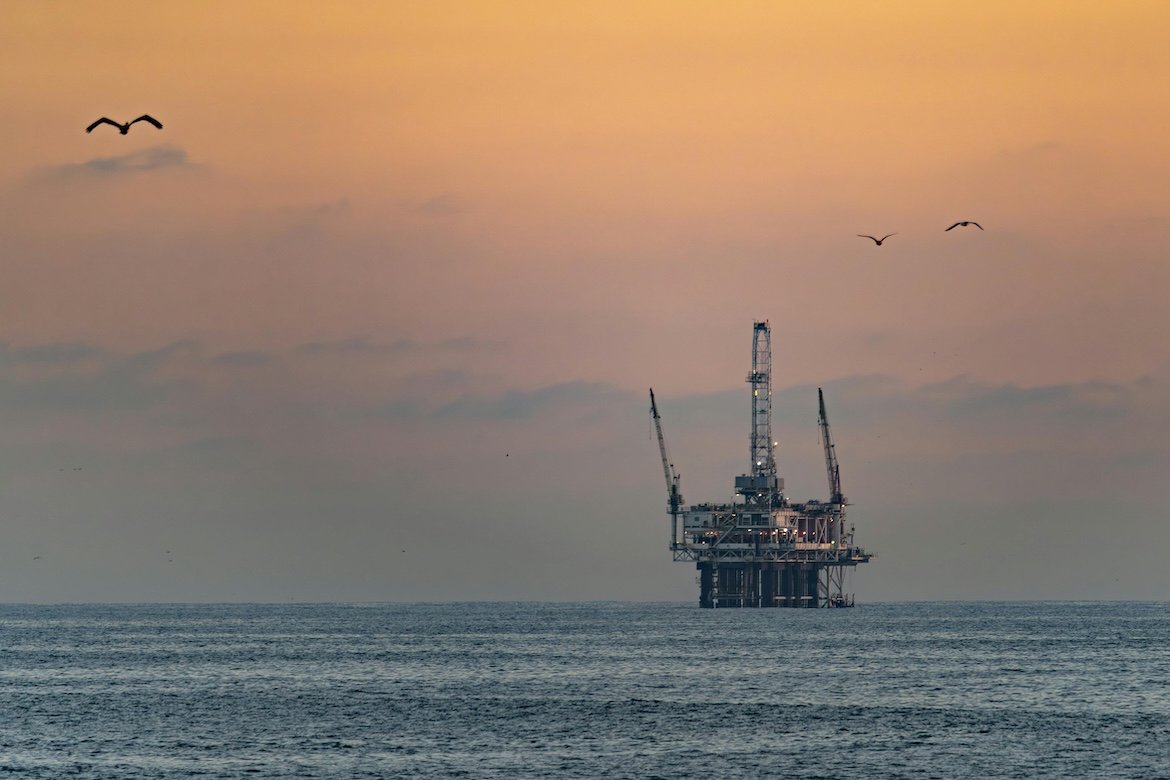
Crude oil prices climbed sharply during trading, with Brent crude briefly rising above $119 per barrel – the highest level in more than three and a half years. The surge reflects mounting concerns that tensions in the Middle East could disrupt shipments through the Strait of Hormuz, one of the world’s most critical oil transport routes.
If supply flows through the strait are significantly affected, analysts warn the shock could push energy prices higher and intensify inflation pressures across the global economy.
Oil Shock Sends Stocks Lower
The rapid rise in oil prices triggered a broad selloff in equity markets. The S&P 500 fell around 2%, while the Nasdaq 100 declined roughly 2.3%. The Dow Jones Industrial Average dropped approximately 2.2% as investors reduced exposure to risk assets.
Energy markets moved in the opposite direction. U.S. benchmark WTI crude jumped about 26.5%, while Brent crude surged roughly 23% during the latest rally.
The sharp divergence highlights how energy shocks often pressure equities while boosting commodity markets. Higher oil prices increase costs for businesses and consumers, raising fears of slower economic growth and persistent inflation.
As previously covered, oil price spikes tied to geopolitical conflicts can have broad economic consequences, especially when they involve key shipping routes such as the Strait of Hormuz.
Asia-Pacific Markets Extend the Selloff
Stock markets across the Asia-Pacific region also fell sharply during morning trading as investors reacted to the escalating conflict and rising energy prices.
Japan’s Nikkei 225 dropped more than 7%, while Hong Kong’s Hang Seng index fell over 3%. Australia’s ASX 200 declined more than 4%.
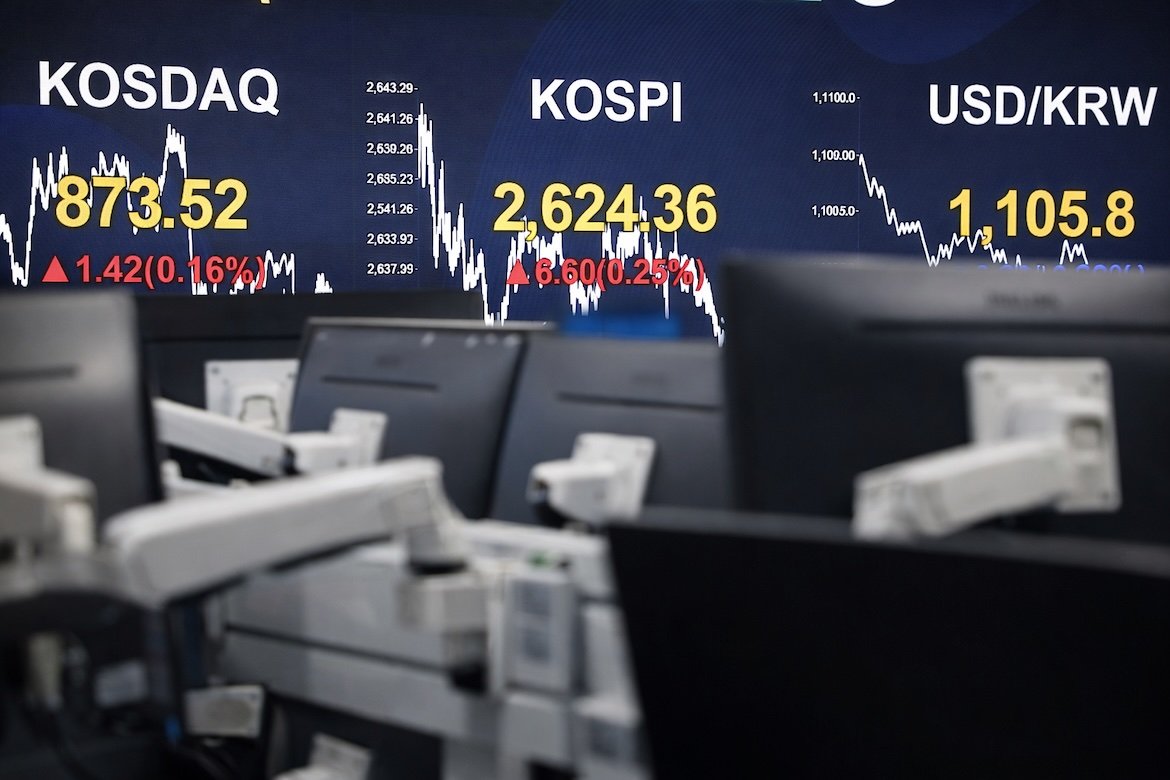
South Korea’s KOSPI, which has been particularly sensitive since the conflict began, fell more than 8%, triggering a 20-minute trading halt as circuit breakers were activated.
The widespread declines underscore how quickly geopolitical shocks can ripple through global financial markets. Investors remain focused on developments in the Middle East, particularly any signs of disruptions to energy infrastructure or shipping routes.
For now, the surge in oil prices and the simultaneous decline in global equities reflect a classic risk-off reaction as markets brace for the potential economic consequences of prolonged conflict.