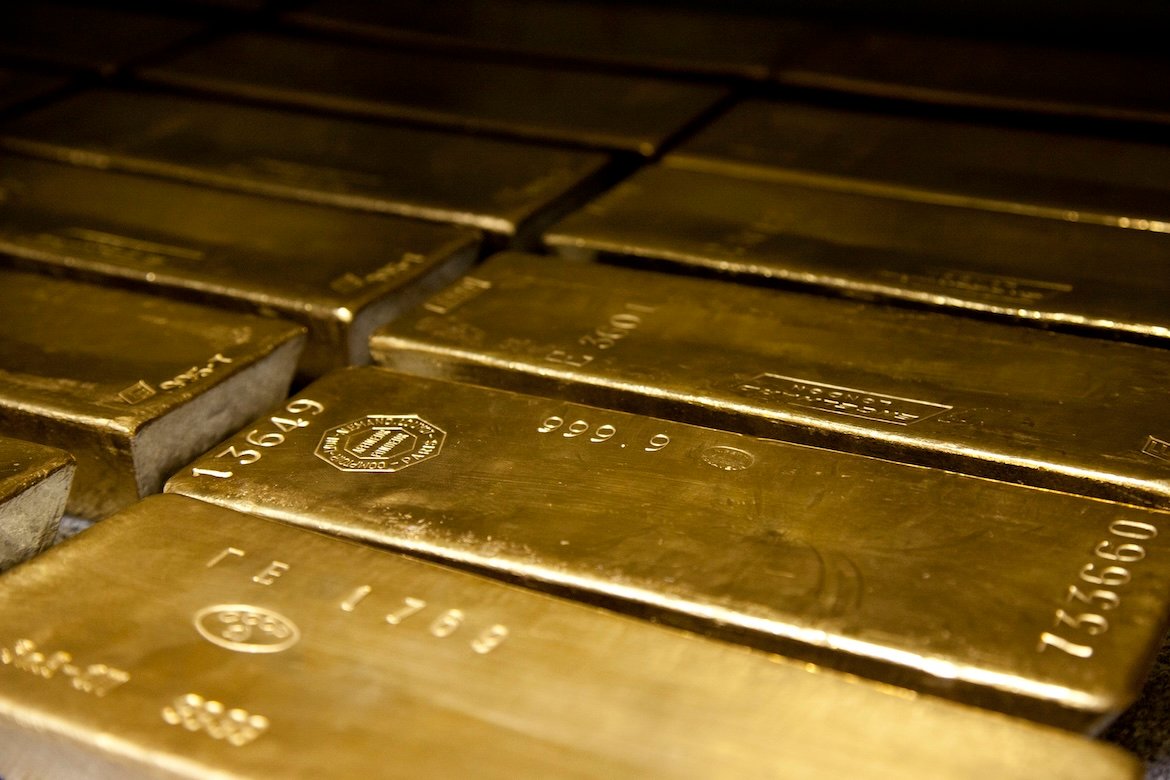
Gold has overtaken U.S. government bonds in central bank reserves for the first time in at least 20 years, marking a major realignment in global reserve management, according to analysts. The value of gold held in official reserves has climbed to roughly $5 trillion, surpassing the $3.9 trillion held in U.S. Treasuries.
The shift reflects growing unease over currency stability, sovereign debt levels, and geopolitical risk, prompting central banks to favor assets with no counterparty risk. Analysts describe the move as a defining moment for the global financial system, signaling gold’s return as the cornerstone defensive reserve asset.
The milestone comes amid extreme volatility in precious metals markets and heightened scrutiny of traditional safe havens.
Why central banks are prioritizing gold
Central banks have accelerated gold purchases over recent years as part of diversification strategies aimed at reducing reliance on dollar-denominated assets. As previously covered, concerns over sanctions exposure, rising fiscal deficits, and long-term inflation risks have driven reserve managers to reassess portfolio composition.
Gold’s appeal lies in its physical nature and independence from any single issuer. Unlike government bonds, it carries no default risk and is not directly tied to monetary policy decisions. These characteristics have become increasingly attractive as global debt levels rise and confidence in fiat currencies weakens.
The shift away from U.S. Treasuries also reflects changing perceptions of liquidity and safety. While Treasuries remain highly liquid, analysts note that their real returns have been eroded by inflation and rising interest rate volatility, diminishing their traditional role as the ultimate reserve asset.
What the volatility says about market stress
Despite gold’s growing importance in reserves, the market has not been immune to sharp swings. In one recent episode, gold prices erased nearly $3 trillion in market value within a single hour, highlighting the scale of positioning and the speed at which capital now moves across asset classes.
The magnitude of that move was comparable to the entire capitalization of the global cryptocurrency market, underscoring how even the most established assets can experience crypto-like volatility in modern markets.
Analysts say such turbulence reflects thin liquidity during periods of intense demand, combined with large derivatives exposure and algorithmic trading. While short-term price shocks may persist, they argue that central bank demand provides a structural backstop for gold over the longer term.
For investors, the reserve shift sends a clear signal about the evolving hierarchy of safe assets. Gold is no longer merely a hedge on the margins of portfolios but is increasingly viewed as a core component of global financial stability.
Looking ahead, analysts expect gold’s role in reserves to remain elevated, particularly if geopolitical tensions and fiscal uncertainty persist. The displacement of U.S. Treasuries marks a historic change – one that could reshape capital flows and reserve strategies for years to come.