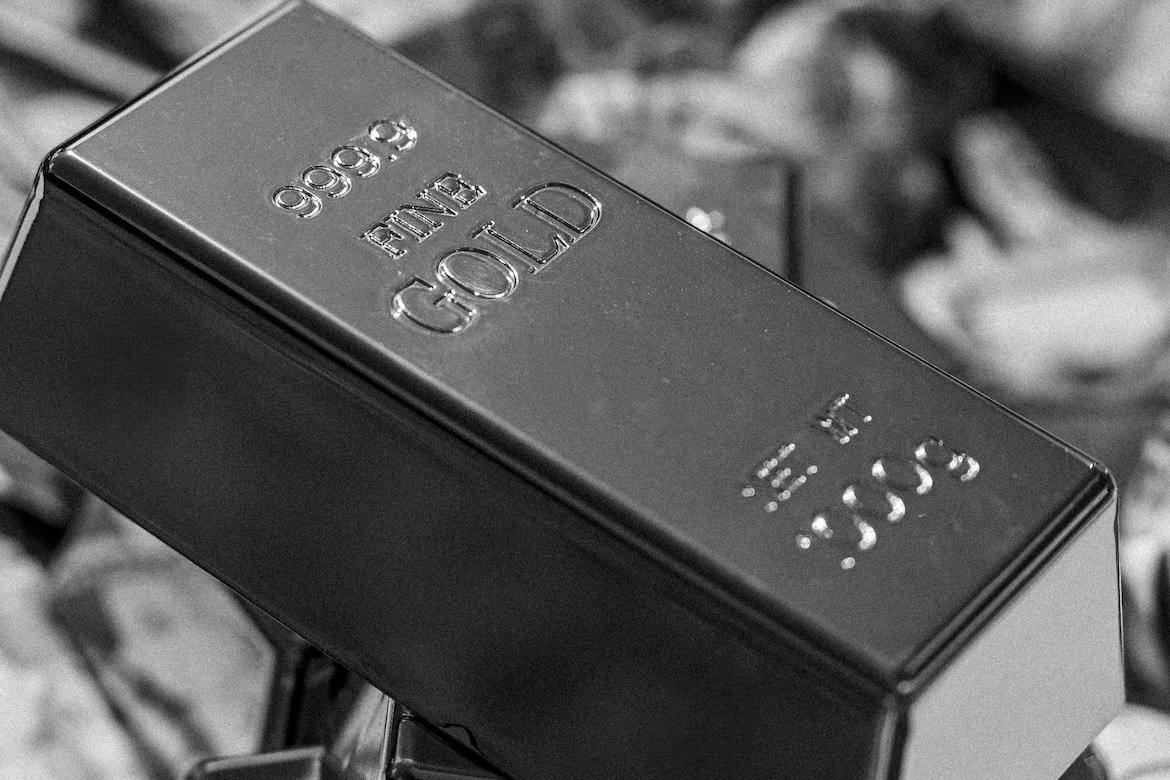
Gold endured the most volatile trading day in its history, according to analysts, as extraordinary price swings erased and restored trillions of dollars in market value within hours. The episode underscored the intensity of stress gripping global markets and highlighted how even traditional safe-haven assets are now subject to extreme turbulence.
Between 9:30 a.m. and 10:25 a.m. U.S. time, gold’s market capitalization plunged by an estimated $3.2 trillion – equivalent to roughly $58 billion per minute. The rapid selloff stunned traders and briefly rattled broader commodities markets.
What followed was an equally dramatic reversal. From 10:25 a.m. through the close of the U.S. session at 4:00 p.m., gold clawed back approximately $2.3 trillion in market value, ending the day far off its lows but still deeply volatile.
Why gold saw unprecedented volatility
Analysts attribute the extreme moves to a convergence of thin liquidity, heavy derivatives positioning, and heightened macro uncertainty. As previously covered, gold has attracted massive inflows in recent months amid currency weakness, central bank buying, and fears over financial stability, leaving the market vulnerable to sudden, amplified swings.
The initial collapse was likely intensified by forced liquidations, margin calls, and algorithmic selling once key technical levels were breached. With positioning crowded on the long side, even modest triggers were enough to spark a cascade of sell orders.
The sharp rebound suggests strong underlying demand. Buyers quickly stepped in as prices fell, viewing the drop as an opportunity rather than a signal of deteriorating fundamentals. Central bank accumulation and strategic long-term investors are believed to have played a role in stabilizing the market.
What the scale of the swings means for markets
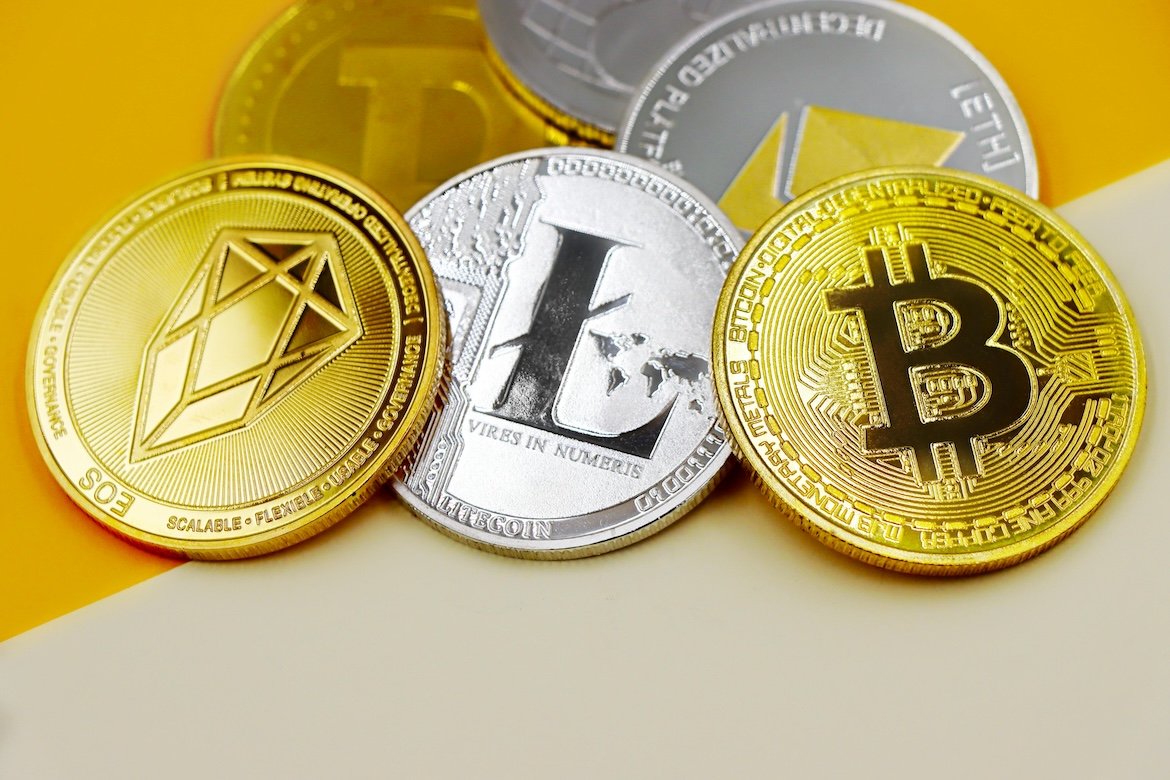
Over a span of just 6.5 hours, the total amplitude of gold’s market value swings exceeded three times the entire market capitalization of Bitcoin. The comparison highlights how traditional assets can now experience volatility once associated almost exclusively with cryptocurrencies.
Analysts noted that intraday volatility surpassed levels recorded during the 2008 global financial crisis, a benchmark long considered the gold standard for market stress. The episode raises questions about liquidity resilience, risk management practices, and the growing influence of leveraged trading in commodities markets.
For investors, the day served as a stark reminder that gold is no longer immune to violent price action, even as it retains its role as a core defensive asset. While long-term demand drivers remain intact, short-term swings may continue to be severe as markets digest shifting monetary and geopolitical signals.
Looking ahead, traders will closely monitor futures positioning, margin requirements, and central bank activity. If volatility remains elevated, regulators and exchanges may face pressure to reassess safeguards designed to contain extreme price moves.
Analysts say this session is likely to be remembered for decades – not just for its scale, but for what it revealed about the evolving structure of global markets, where even the oldest safe havens can move with unprecedented force.