U.S. Stocks Stage Sharp Intraday Reversal After Hundreds of Billions Swing

U.S. equities experienced a dramatic intraday reversal, wiping out hundreds of billions of dollars before recovering nearly the same amount within hours. Major indices swung from losses of more than 1% to solid gains by the close.

By Sophia Reynolds | Edited by Oleg Petrenko Published: Updated:
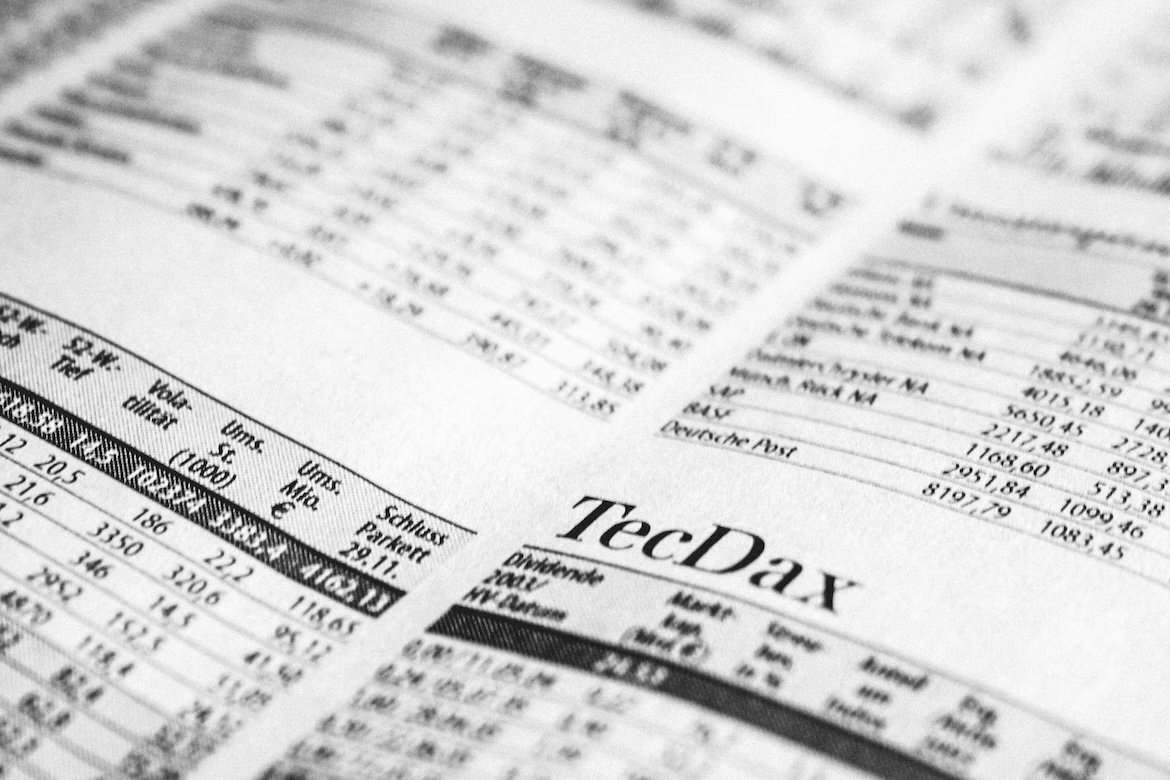
U.S. equities staged a sharp intraday turnaround, erasing hundreds of billions of dollars in market value before regaining nearly the same amount within hours. Major indices moved from losses of more than 1% to firm gains by the end of the session. Photo: Markus Spiske / Pexels

The U.S. stock market experienced a sharp intraday reversal, with hundreds of billions of dollars in market capitalization erased and then largely restored within a matter of hours. The dramatic swings highlighted heightened volatility and fragile investor sentiment across major indices.

Early in the session, selling pressure pushed broad benchmarks lower, briefly intensifying fears of a deeper correction. However, buyers returned aggressively, triggering a rapid recovery that reversed most of the losses.

The scale of the moves underscores how quickly capital is rotating in and out of risk assets in the current environment.

How the major indices swung

The S&P 500 initially fell about 1%, wiping out roughly $600 billion in market value. It later reversed course, rising approximately 1.1% and adding back around $650 billion.

The Nasdaq dropped as much as 1.34% earlier in the session, erasing about $536 billion before rebounding 1.43%, restoring roughly $540 billion in capitalization.

The Dow Jones Industrial Average slid 1.13%, destroying about $258 billion in value, then climbed 1% to recover approximately $240 billion.

Meanwhile, the Russell 2000 declined 1.31%, removing around $40 billion, before rising 1.36% and adding back roughly $42 billion.

What the volatility signals

Such rapid reversals reflect a market environment driven by short-term positioning and algorithmic flows rather than clear fundamental shifts. As previously covered, periods of elevated uncertainty often produce exaggerated intraday swings as traders react quickly to headlines and technical levels.

The sharp bounce suggests that dip-buying appetite remains strong despite earlier weakness. Investors appear willing to step in when losses accelerate, preventing broader downside momentum from taking hold.

At the same time, the magnitude of the intraday destruction and recovery highlights the fragility of sentiment. With markets trading near historically elevated valuations, small shifts in risk perception can translate into large capitalization swings.

For investors, the session serves as a reminder that volatility remains elevated, even when daily closing levels appear relatively stable. The ability of indices to recover losses may reinforce confidence in the short term, but analysts caution that continued choppiness is likely as markets digest macroeconomic signals and corporate earnings.

As capital continues to move rapidly across asset classes, such intraday reversals may become more common – underscoring the importance of risk management in a market defined by speed and scale.
SpaceX Targets $2 Trillion Valuation in Potential Record IPO

SpaceX is targeting a valuation of more than $2 trillion in its upcoming IPO, according to reports. The listing could become the largest in stock market history.

By Sophia Reynolds | Edited by Oleg Petrenko Published:
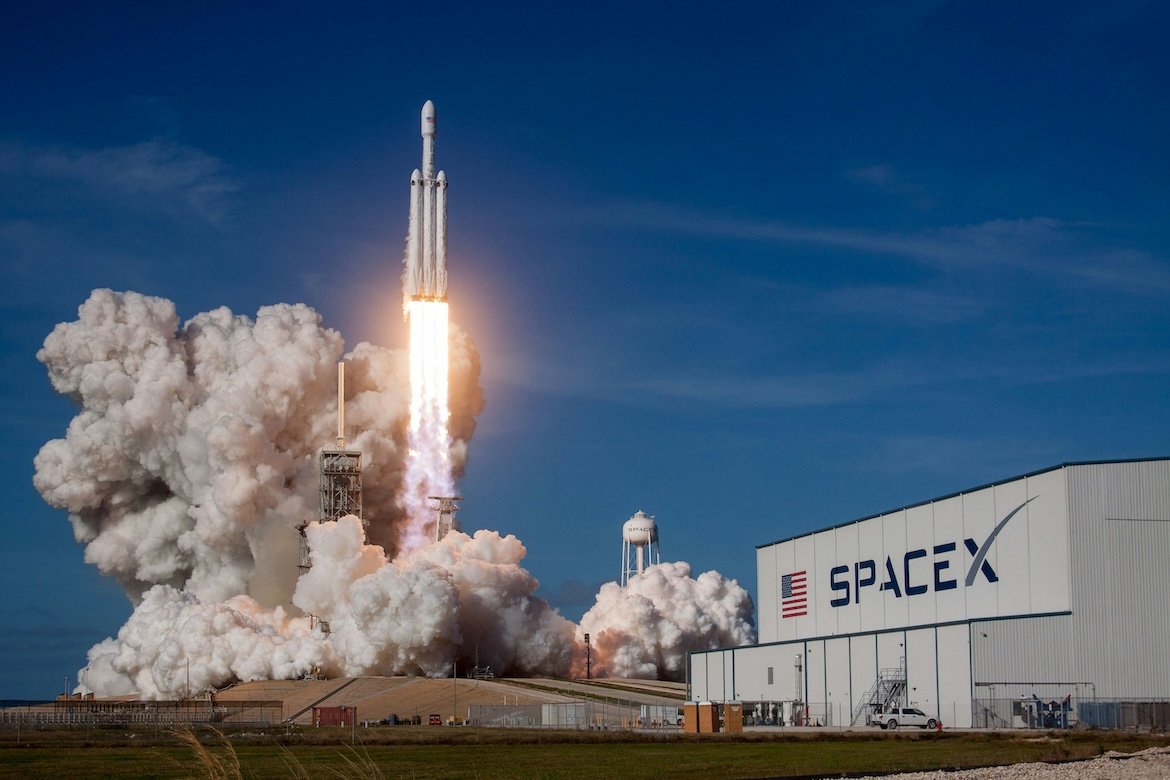
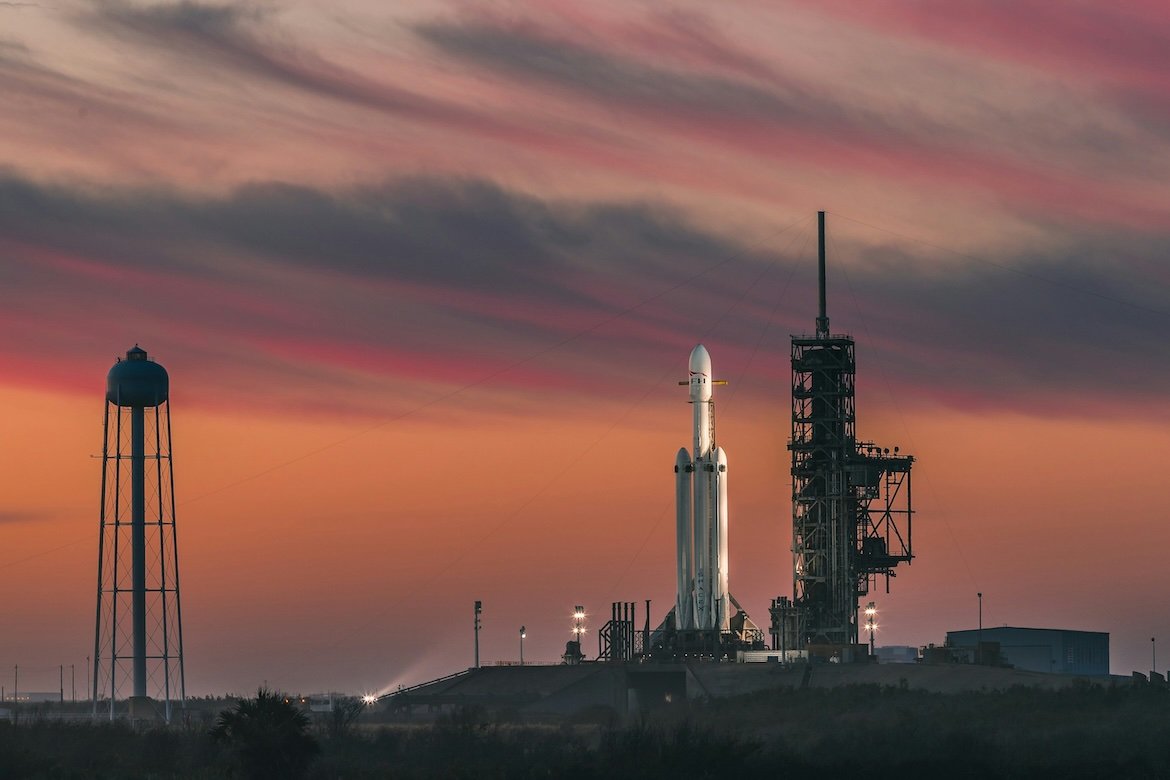
SpaceX is reportedly targeting a valuation above $2 trillion for its upcoming IPO, a move that could make it the largest stock market listing in history. Photo: SpaceX / Unsplash

SpaceX is targeting a valuation of more than $2 trillion for its upcoming initial public offering, according to reports, positioning the company for what could become the largest stock market debut on record.

The company has reportedly begun floating the valuation to prospective investors following its confidential IPO filing with U.S. regulators, as it prepares for a potential market debut later this year.

The move underscores the scale of investor interest in high-growth technology platforms at the intersection of space infrastructure and artificial intelligence.

Valuation Ambitions Reflect Strategic Expansion

SpaceX’s ambitious valuation target follows its recent merger with xAI, a deal that valued the rocket company at approximately $1 trillion and the AI business at $250 billion. The combined structure is designed to integrate space-based infrastructure with advanced AI capabilities, including satellite communications and data processing.

As previously covered, SpaceX has rapidly expanded its Starlink satellite network while maintaining dominance in commercial launch services, creating multiple high-growth revenue streams.

The company’s ability to scale both launch capacity and global connectivity has been a key factor behind its rising valuation expectations.

Implications for Markets and IPO Pipeline

A successful listing at or near the $2 trillion level would set a new benchmark for global equity markets and could reshape investor expectations for large-scale IPOs. The offering is widely seen as a potential catalyst for a broader reopening of the IPO market, particularly for capital-intensive technology companies.

Analysts note that strong demand for the deal could pave the way for other major listings, especially in artificial intelligence and infrastructure sectors. However, such a high valuation also raises questions around sustainability, capital requirements, and execution risks in a highly competitive environment.

Still, SpaceX’s positioning at the center of two transformative industries space and AI continues to attract significant investor attention.

If successful, the IPO could mark a defining moment for global markets, reinforcing the shift toward next-generation technology platforms as key drivers of valuation.

OpenAI Secures $122 Billion Funding Round Ahead of Potential IPO

OpenAI has raised $122 billion in a record-breaking funding round to accelerate AI development. The deal comes as expectations grow for a future public offering.

By Emma Clarke | Edited by Oleg Petrenko Published: Updated:
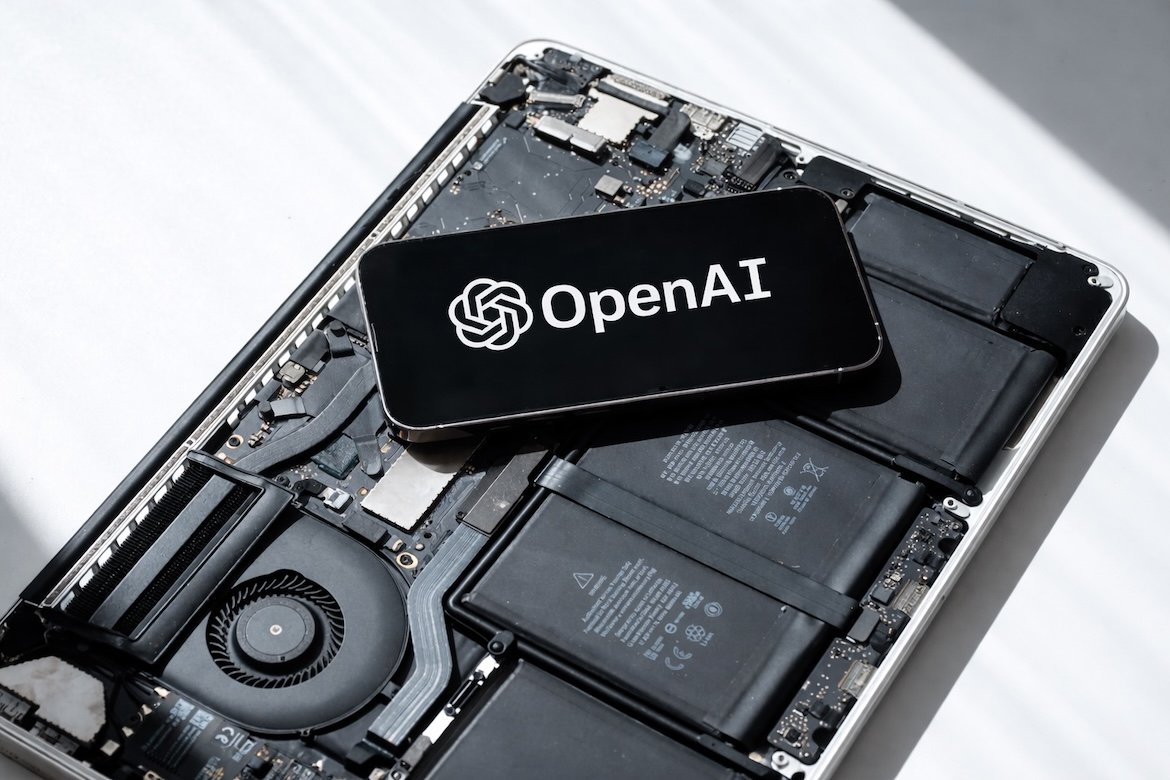
OpenAI has secured $122 billion in a record-breaking funding round to accelerate AI development, as expectations build around a potential future IPO. Photo: Focal Foto / Wikimedia

OpenAI has secured $122 billion in committed capital in one of the largest funding rounds ever, underscoring the escalating scale of investment in artificial intelligence as the company prepares for its next phase of growth.

The financing comes amid growing expectations that OpenAI could move toward a public listing, positioning itself as a central player in the rapidly expanding AI economy. The capital will be used to scale infrastructure, advance research, and expand commercial applications of AI technologies.

Massive Capital Push to Scale AI Infrastructure

The size of the funding round reflects the enormous cost of building and maintaining advanced AI systems, particularly in areas such as data centers, chip procurement, and model training.

OpenAI has been aggressively investing in compute capacity to support increasingly complex models, as competition intensifies across the technology sector. As previously covered, AI development requires billions in ongoing investment, with companies racing to secure both hardware and talent to maintain a competitive edge. The latest funding round significantly strengthens OpenAI’s ability to scale its operations and accelerate product deployment across enterprise and consumer markets.

It also signals continued confidence from investors in the long-term potential of AI-driven platforms.

Implications for Markets and the AI Race

The $122 billion raise highlights how artificial intelligence is reshaping capital allocation across global markets, with unprecedented sums flowing into the sector. For investors, the deal reinforces the view that AI will remain a dominant theme driving valuations in Big Tech and adjacent industries.

At the same time, the scale of spending raises questions about profitability timelines and capital efficiency, particularly as companies face mounting infrastructure costs.

OpenAI has indicated plans to reach profitability in the coming years, though analysts note that the path forward will depend heavily on monetization and cost management. The funding round also increases pressure on competitors, who may need to raise additional capital to keep pace with the rapidly evolving AI landscape. As anticipation builds around a potential IPO, OpenAI’s latest move positions it at the center of one of the most significant technological and financial shifts in recent history.

SpaceX Files Confidentially for IPO Ahead of Potential June Listing

SpaceX has reportedly filed confidentially for an IPO, with a potential listing as early as June. The move could kick off a wave of major tech offerings.

By Sophia Reynolds | Edited by Oleg Petrenko Published: Updated:
SpaceX has reportedly filed confidentially for an IPO, with a potential listing as early as June, a move that could trigger a new wave of major tech offerings. Photo: SpaceX / Unsplash

SpaceX has confidentially filed for an initial public offering, according to reports, signaling a potential market debut as early as June and setting the stage for one of the most anticipated listings in years.

The move comes as investor appetite for high-growth technology companies shows signs of returning, particularly in sectors tied to artificial intelligence and advanced infrastructure.

If completed, the offering could rank among the largest IPOs in history, given SpaceX’s massive valuation and dominant position in the global space industry.

IPO Momentum Builds Across Big Tech

SpaceX’s filing could mark the beginning of a broader wave of major public offerings, with companies such as OpenAI and Anthropic also widely expected to pursue listings in the near future.

The timing reflects improving market conditions after a period of muted IPO activity, as volatility stabilizes and investor confidence gradually returns.

As previously covered, companies in capital-intensive sectors like AI and space technology are increasingly turning to public markets to fund expansion and offset rising operational costs.

For SpaceX, going public could provide additional capital to scale its satellite network, launch capabilities, and long-term ambitions in deep space exploration.

Implications for Markets and Investors

A successful SpaceX IPO would likely attract significant institutional demand, given the company’s leadership in commercial space launches and satellite communications. It could also serve as a key test of market appetite for large-scale, high-valuation tech listings following a cautious period for IPOs.

Analysts say a strong debut may pave the way for other major tech firms to accelerate their own listing plans, potentially reshaping capital markets in the second half of the year.

However, risks remain, including valuation sensitivity, broader market conditions, and the capital intensity of SpaceX’s business model.

Still, the confidential filing marks a critical step toward public markets and reinforces the growing intersection between advanced technology sectors and investor capital.

Apple Co-Founder Ron Wayne Claims He Still Owns 10% Stake

Apple’s third co-founder Ron Wayne says he still owns a 10% stake in the company despite exiting shortly after its founding. The claim has reignited debate over early ownership agreements.

By Emma Clarke | Edited by Oleg Petrenko Published:
Apple’s third co-founder Ron Wayne claims he still holds a 10% stake in the company despite leaving shortly after its founding, reigniting debate over early ownership agreements. Photo: Laurenz Heymann / Unsplash

Ron Wayne, the lesser-known third co-founder of Apple, has renewed claims that he still holds a 10% ownership stake in the company despite leaving just days after its founding.

Wayne, who exited Apple roughly 12 days after its creation in 1976, was reportedly bought out for a relatively small sum at the time, relinquishing his formal stake in the business.

His latest remarks have sparked renewed discussion around the company’s early ownership structure and the legal interpretation of its founding agreements.

A Contested Claim Rooted in Apple’s Early Days

Wayne co-founded Apple alongside Steve Jobs and Steve Wozniak but quickly withdrew due to concerns over financial risk. At the time, he agreed to sell his stake back to the company, a decision that has since become one of the most widely cited missed opportunities in business history. Despite this, Wayne has argued that certain aspects of the original agreement may leave room for interpretation regarding his ownership.

As previously covered, early-stage startup agreements in the 1970s were often informal, which can complicate retrospective claims decades later. However, there is no widely recognized legal basis supporting Wayne’s current assertion of ownership.

Implications and Market Perspective

While Wayne’s claim is unlikely to have any direct impact on Apple’s current valuation or shareholder structure, it has drawn attention due to the company’s immense scale.

Apple remains one of the most valuable companies in the world, with a market capitalization measured in trillions of dollars. A hypothetical 10% stake today would be worth hundreds of billions, underscoring the magnitude of Wayne’s early exit. For investors, the situation serves more as a historical footnote than a material development.

Still, the renewed claim highlights the enduring fascination with Silicon Valley origin stories and the long-term consequences of early business decisions.

It also reflects how narratives around Big Tech founders continue to shape public and investor interest, even decades after a company’s formation.

Eli Lilly Strikes Up to $2.75 Billion AI Drug Deal With Insilico Medicine

Eli Lilly will pay up to $2.75 billion to bring AI-developed drugs from Insilico Medicine to market. The deal highlights growing momentum in AI-driven drug discovery.

By Emma Clarke | Edited by Oleg Petrenko Published: Updated:
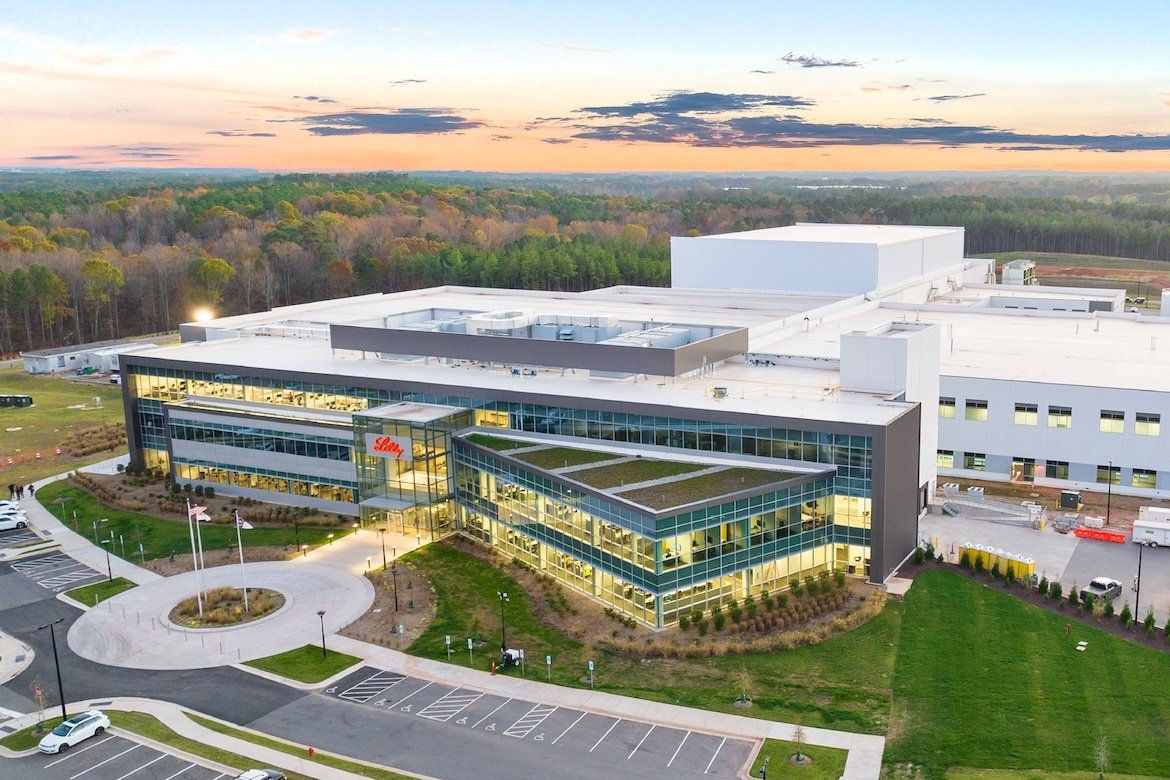
Eli Lilly will pay up to $2.75 billion to bring AI-developed drugs from Insilico Medicine to market, underscoring growing momentum in AI-driven drug discovery. Photo: Eli Lilly / Facebook

Eli Lilly has agreed to pay up to $2.75 billion to Insilico Medicine to advance and commercialize drugs developed using artificial intelligence. The agreement includes an upfront payment of $115 million, with additional milestone payments tied to regulatory approvals and future sales performance. The partnership marks a significant step in bringing AI-designed therapies from development into global markets.

AI-Driven Drug Discovery Gains Traction

Insilico Medicine has been working with Eli Lilly since 2023 and has already developed at least 28 drug candidates using AI technologies.

Roughly half of these candidates are currently undergoing clinical trials, highlighting the accelerating pace of AI-driven pharmaceutical innovation.

The use of artificial intelligence allows researchers to significantly reduce the time and cost associated with traditional drug discovery processes. As previously covered, major pharmaceutical companies are increasingly turning to AI to improve efficiency, identify new compounds, and streamline clinical development. The collaboration reflects a broader industry shift toward integrating machine learning into core research and development pipelines.

Implications for Pharma and Investors

The deal underscores growing confidence in AI as a transformative force within the pharmaceutical industry. For Eli Lilly, the partnership provides access to a pipeline of potentially high-value treatments without bearing the full cost of early-stage research.

For Insilico Medicine, the agreement validates its AI platform and opens the door to substantial long-term revenue through milestone payments and royalties.

Investors are closely watching such partnerships as indicators of how quickly AI can translate into commercial success in healthcare. However, risks remain, including regulatory hurdles, clinical trial outcomes, and the uncertainty surrounding long-term efficacy of AI-developed therapies. Still, the scale of the agreement highlights how competition among pharmaceutical giants is intensifying, particularly in the race to leverage AI for breakthrough treatments.

As AI continues to reshape the biotech landscape, deals like this may become increasingly common, signaling a new era of innovation in drug development.

Exit mobile version