Transcend Halts SSD Production as NAND Supply From Samsung and SanDisk Collapses

Transcend has suspended SSD manufacturing after losing access to NAND chips from Samsung and SanDisk, leaving the company without supply for months and signaling deeper strain in the consumer storage market.

By Oleg Petrenko Published:
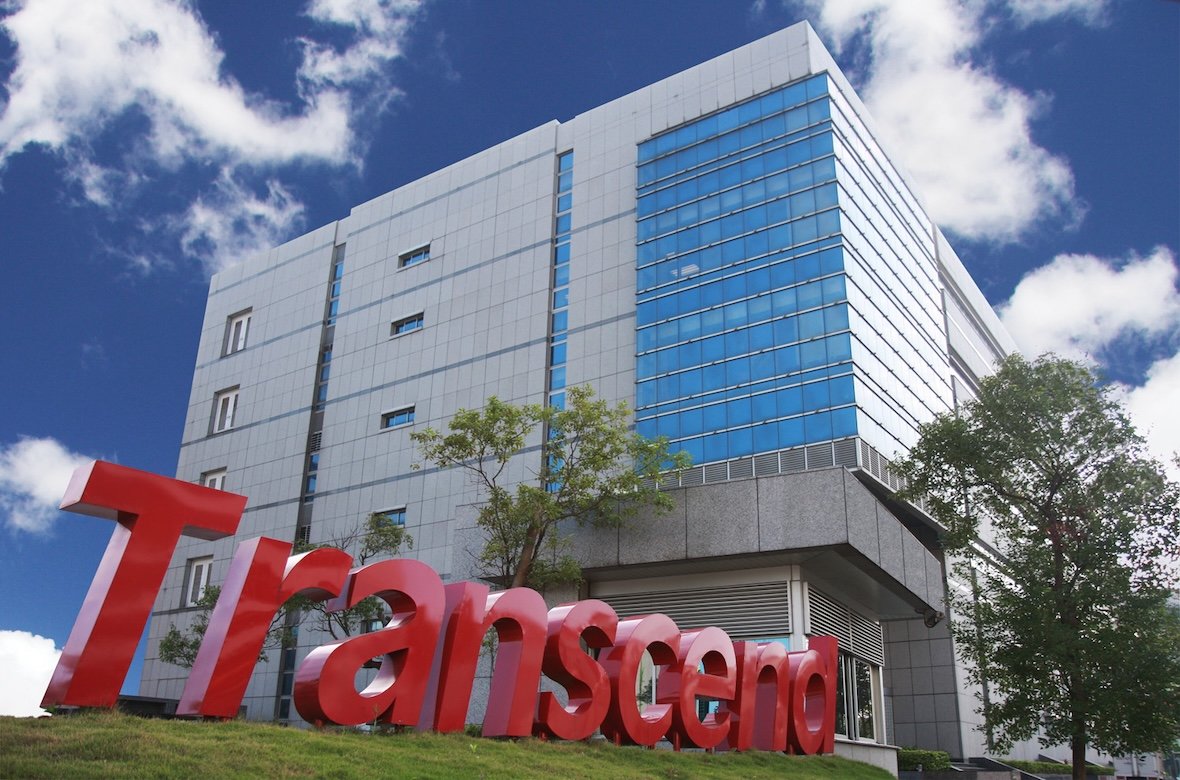
NAND supply tightens globally, forcing Transcend to freeze SSD output. The shortage underscores how AI-driven demand is reshaping chip allocations. Photo: Agnes Lai / Wikimedia

Transcend has suspended all SSD production and shipments after losing access to NAND flash chips from major suppliers Samsung and SanDisk, marking one of the most severe supply disruptions the consumer storage market has seen in years. According to company communications sent to clients, NAND deliveries stopped in October, leaving Transcend without the essential components required to build its solid-state drives.

The stoppage stems from a dramatic shift in chip allocation by Samsung and SanDisk. Both suppliers have redirected large volumes of NAND inventory away from consumer electronics and toward AI infrastructure, hyperscale data centers, and enterprise-grade storage systems – segments experiencing record demand in 2025.

As a result, Transcend said it will be unable to fulfill SSD orders for at least three to five months, warning partners that meaningful supply normalization may not arrive until 2026. Industry distributors have already reported significant price spikes due to constrained availability.

The SSD Shortage Emerged

Samsung and SanDisk, two of the world’s largest NAND producers, have been under mounting pressure to serve AI clusters, cloud providers, and enterprise customers requiring massive amounts of high-performance storage. As previously covered, chipmakers across multiple categories – GPUs, DRAM, and specialty semiconductors – have prioritized AI-related demand, squeezing out lower-margin retail buyers.

For NAND flash, the pivot has been even more pronounced. Data centers are rapidly expanding to support generative AI workloads, while cloud operators are rebuilding storage fleets to keep pace with multi-petabyte training datasets. Compared to consumer SSDs, enterprise orders are larger, more predictable, and far more profitable, incentivizing suppliers to reallocate inventory.

Transcend, which relies heavily on third-party NAND rather than in-house fabrication, is particularly vulnerable to such shifts. With suppliers halting consumer-grade shipments entirely, the company has effectively been cut off from the market.

Industry sources say NAND spot prices have surged sharply since October, with some distributors lifting quotes by double-digit percentages in a matter of weeks. That volatility made it impractical for Transcend to continue sourcing components at scale.

Market Impact

The production freeze underscores how deeply AI-driven demand is reshaping global semiconductor supply chains. For consumers and PC makers, the immediate consequence is higher SSD prices throughout 2025, especially in entry-level and midrange segments where Transcend has been a key supplier.

Retail inventories are expected to tighten further in the coming months, and other consumer-focused storage brands may face similar shortages if suppliers continue prioritizing enterprise customers. Analysts warn that the mismatch between AI infrastructure demand and NAND manufacturing capacity could persist well into next year.

Transcend told clients it expects supply conditions to improve only in 2026, when expanded NAND production from major manufacturers begins to come online. Until then, the company will remain dependent on the timing and volume of resumed shipments from Samsung and SanDisk.

For investors, the disruption highlights the increasing bifurcation of the memory market – with AI and data center demand driving record profitability for chipmakers, while traditional consumer electronics manufacturers bear the cost of constrained supply.


‘Mystery Dumpling’ Craze Drives New Wave of Collectible Demand

A new viral toy, ‘Mystery Dumpling’, is rapidly gaining popularity, overtaking Labubu as the latest collectible trend. The surge is fueling investor interest in companies tied to the craze.

By Emma Clarke | Edited by Oleg Petrenko Published: Updated:
A viral toy known as 'Mystery Dumpling' is quickly gaining popularity, surpassing Labubu as the latest collectible trend. The surge is drawing investor interest toward companies linked to the craze. Photo: David Kristianto / Unsplash

A new viral collectible known as “Mystery Dumpling” is rapidly gaining traction, emerging as the latest consumer craze and overtaking previously popular toys such as Labubu.

The toy, produced by RMS USA, has spread quickly across social media platforms, with unboxing videos and collectible hunts driving demand among younger consumers and collectors alike.

Retailers have reported strong sales momentum as the product gains visibility online, highlighting the continued influence of viral trends on consumer behavior.

Social Media Fuels Demand Surge

The rise of “Mystery Dumpling” reflects a broader pattern in the collectibles market, where social media platforms play a central role in driving demand.

Short-form video content has amplified interest in surprise-based toys, where consumers are drawn to the unpredictability of each purchase. This model encourages repeat purchases, as buyers seek rare or unique variations within a product line. As previously covered, similar trends have fueled past collectible booms, with products gaining rapid popularity before transitioning into mainstream retail channels.

Manufacturers and distributors are increasingly designing products specifically for viral potential, leveraging digital platforms to accelerate adoption.

Implications for Retail and Investors

The surge in demand for “Mystery Dumpling” is drawing attention from investors, particularly those focused on consumer and retail sectors.

Companies linked to the production and distribution of viral toys may see short-term revenue boosts as demand spikes. However, analysts caution that such trends can be highly cyclical, with popularity often fading as quickly as it emerges.

For investors, the challenge lies in distinguishing between short-lived fads and sustainable product lines that can drive long-term growth. Still, the latest craze underscores the growing intersection between social media trends and financial markets, where consumer behavior can quickly translate into stock market movement.

As digital platforms continue to shape purchasing decisions, viral products like “Mystery Dumpling” highlight how rapidly consumer trends can evolve and how quickly markets respond.

Alphabet Could Rally 40% as Google Gains Ground in AI Race, Wells Fargo Says

Alphabet shares could rise as much as 40% as Google strengthens its position in artificial intelligence, according to Wells Fargo. Analysts cite improving monetization and AI leadership potential.

By Sophia Reynolds | Edited by Oleg Petrenko Published: Updated:
Alphabet shares could rise as much as 40% as Google strengthens its position in artificial intelligence, according to Wells Fargo. Analysts cite improving monetization and AI leadership potential. Photo: Allen Boguslavsky / Pexels

Alphabet could see its shares rise by as much as 40%, according to analysts at Wells Fargo, who argue that Google is emerging as a leading force in the artificial intelligence race.

The bullish outlook reflects growing confidence that Alphabet can successfully monetize its AI capabilities across search, cloud computing, and enterprise software. Investors have increasingly focused on how AI integration could drive the company’s next phase of growth.

AI Leadership Drives Bullish Outlook

Wells Fargo analysts point to Google’s deep integration of AI across its core products, including search and advertising, as a key advantage.

The company has been embedding generative AI tools into its search engine and productivity software, aiming to enhance user engagement and create new revenue streams. Google Cloud is also emerging as a major growth driver, offering AI infrastructure and services to enterprise clients seeking to deploy machine-learning applications.

As previously covered, competition in the AI space has intensified among major technology firms, with companies investing heavily in infrastructure, talent, and product development.

Alphabet’s scale, data resources, and existing ecosystem position it strongly to compete with rivals in both consumer and enterprise AI markets.

Implications for Investors

The projected 40% upside suggests analysts believe Alphabet remains undervalued relative to its AI potential, despite recent gains in technology stocks.

If the company successfully translates AI innovation into revenue growth, it could strengthen its position across multiple business segments. However, risks remain. The cost of building and maintaining AI infrastructure is rising rapidly, and competition from other Big Tech players continues to intensify.

Regulatory scrutiny also remains a concern, particularly as governments examine the growing influence of large technology companies in AI development. Still, the outlook from Wells Fargo highlights a broader market narrative: artificial intelligence is becoming a primary driver of valuation across the technology sector.

For Alphabet, the challenge will be executing its AI strategy while maintaining profitability and managing rising investment costs.

Novartis Acquires Excellergy for $2 Billion in Immunology Push

Novartis has agreed to acquire immunology biotech Excellergy for $2 billion, marking its second major deal in a week. The move strengthens its pipeline in next-generation allergy treatments.

By Emma Clarke | Edited by Oleg Petrenko Published:
Novartis has agreed to acquire immunology biotech Excellergy for $2 billion, marking its second major deal in a week. The move strengthens its pipeline in next-generation allergy treatments. Photo: Novartis / Facebook

Novartis has agreed to acquire Excellergy for $2 billion, marking its second multibillion-dollar deal within a week as the pharmaceutical giant accelerates its push into immunology.

The acquisition is aimed at strengthening Novartis’s pipeline of next-generation treatments, particularly in the fast-growing allergy and immune-response segment.

The deal underscores increasing competition among major drugmakers to secure innovative therapies in high-demand therapeutic areas.

Strategic Bet on Next-Generation Allergy Treatments

Excellergy is developing advanced immunology therapies that aim to deliver faster and more effective responses compared to existing allergy treatments.

Novartis is betting that these next-generation solutions could capture a significant share of a global market that continues to expand due to rising rates of allergic conditions.

The acquisition aligns with the company’s broader strategy of focusing on high-growth areas such as immunology, oncology, and gene therapy.

As previously covered, large pharmaceutical companies have been actively pursuing biotech acquisitions to replenish drug pipelines and secure access to breakthrough technologies.

By acquiring Excellergy, Novartis gains both proprietary research capabilities and potential future blockbuster treatments.

M&A Momentum Builds in Biotech Sector

The deal highlights a renewed wave of consolidation in the biotechnology sector, as major pharmaceutical firms seek to accelerate innovation through acquisitions rather than internal development alone.

Analysts say rising research costs and the need for specialized expertise are pushing companies toward partnerships and acquisitions. For investors, the transaction signals continued confidence in biotech innovation despite broader market volatility.

It also reflects a competitive race among pharmaceutical companies to secure promising assets early in their development cycle. With two major deals completed in a short period, Novartis appears to be moving aggressively to strengthen its long-term growth pipeline.

As demand for advanced therapies continues to rise, acquisitions like Excellergy may play a critical role in shaping the future of the pharmaceutical industry.

Moves Closer to Allowing Crypto in $12 Trillion 401(k) Market

The U.S. is preparing to allow cryptocurrencies and alternative assets in 401(k) retirement accounts. The move could open a $12 trillion market to digital assets and private investments.

By David Sinclair | Edited by Oleg Petrenko Published:
The U.S. is set to allow cryptocurrencies and alternative assets in 401(k) retirement accounts, potentially opening a $12 trillion market to digital assets and private investments. Photo: Marta Branco / Pexels

The United States is moving closer to allowing cryptocurrencies and other alternative assets in retirement accounts, marking a major shift in investment policy for the country’s $12 trillion 401(k) market.

A long-anticipated rule from the U.S. Department of Labor has completed final review at the White House and is expected to be published in the coming weeks, paving the way for broader access to digital assets within retirement portfolios.

The proposal would allow Americans to hold cryptocurrencies alongside traditional assets such as stocks and bonds in tax-advantaged retirement accounts.

Opening Retirement Portfolios to Alternative Assets

The rule is expected to significantly expand the range of eligible investments in 401(k) plans, including not only cryptocurrencies but also private equity, private debt, and infrastructure assets.

The move follows earlier policy changes aimed at loosening restrictions introduced in 2021 that had limited the inclusion of digital assets in retirement accounts.As previously covered, policymakers have been working to modernize retirement investment frameworks to reflect evolving financial markets and growing demand for alternative assets.

Supporters argue that expanding access could improve diversification and allow long-term investors to participate in emerging asset classes.

Implications for Markets and Investors

The potential inclusion of cryptocurrencies in retirement accounts could represent a major catalyst for digital asset adoption. With the U.S. retirement market valued at approximately $12 trillion, even a small allocation to crypto could translate into significant capital inflows.

Analysts say the rule could also accelerate institutional acceptance of digital assets, further integrating them into mainstream financial systems. However, the move is likely to face scrutiny due to concerns about volatility, investor protection, and fiduciary responsibilities.

Critics warn that cryptocurrencies may not be suitable for retirement portfolios given their price swings and regulatory uncertainties. Still, the proposal reflects a broader shift in financial markets, where alternative assets are increasingly viewed as a standard component of diversified portfolios.

If implemented, the rule could reshape how Americans invest for retirement, signaling a new phase in the convergence of traditional finance and digital assets.

OpenAI Shuts Down Sora Video Model Amid Soaring AI Costs

OpenAI is shutting down its Sora video generation model, citing undisclosed reasons. Reports suggest the product may have been costing up to $15 million per day to operate.

By Emma Clarke | Edited by Oleg Petrenko Published:
OpenAI is shutting down its Sora video generation model for undisclosed reasons, with reports indicating the product may have cost as much as $15 million per day to run. Photo: Rohan Sahai / X

OpenAI is shutting down its widely discussed Sora video generation model, a product that helped drive a surge of AI-generated content across social media platforms over the past year.

The company has not yet provided an official explanation for the decision but said more details about the shutdown of both the application and API will be released soon.

Sora gained rapid attention after its launch, becoming one of the most advanced tools for generating realistic video content using artificial intelligence.

Rising Costs Behind AI Video Generation

While OpenAI has not confirmed the reasons, industry estimates suggest the model may have been extremely expensive to operate.

Some analysts believe Sora could have been consuming between $10 million and $15 million per day in compute costs, driven by the immense processing power required for high-quality video generation.

On an annual basis, that would imply operating costs of up to $5.4 billion, highlighting the economic challenges of scaling advanced generative AI systems. Video generation is significantly more computationally intensive than text or image models, requiring large-scale GPU clusters and vast amounts of energy.

As previously covered, the rapid expansion of AI services has led to soaring infrastructure spending across the industry, with companies investing heavily in data centers and specialized hardware.

Implications for the AI Industry

The shutdown of Sora raises broader questions about the sustainability of high-cost AI products, particularly those that generate rich media content.

While demand for AI-generated video remains strong, the economics of delivering such services at scale remain challenging. Companies may need to rethink pricing models, optimize infrastructure, or limit access to manage costs effectively.

The move could also signal a shift in strategy, with OpenAI potentially reallocating resources toward more commercially viable products or enterprise-focused solutions.

At the same time, the rise of AI-generated video sometimes referred to as “neural content” or “AI slop” has sparked debate about content quality, misinformation, and platform regulation. The decision to shut down Sora underscores a key tension in the AI industry: balancing rapid innovation with the financial realities of operating cutting-edge technology.

As competition intensifies and infrastructure costs continue to rise, companies may face increasing pressure to prioritize profitability alongside technological advancement.

Exit mobile version