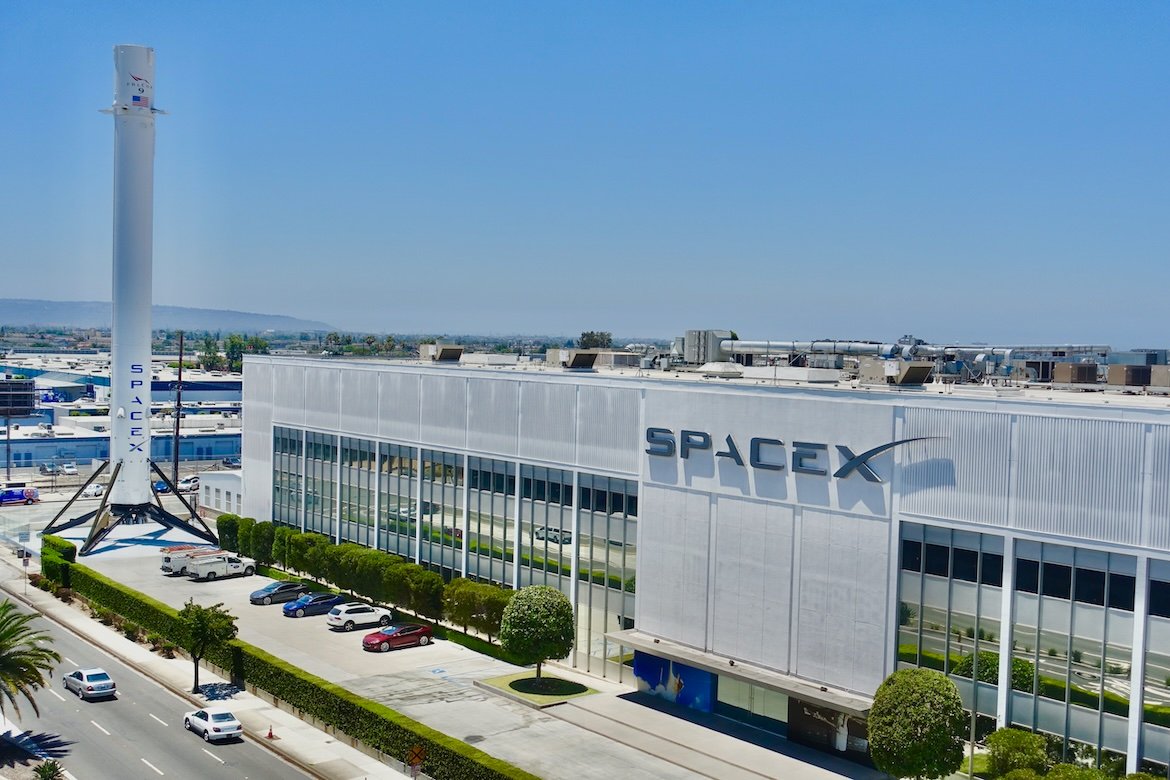
SpaceX has officially announced the acquisition of xAI, formalizing a long-rumored move to combine space infrastructure with advanced artificial intelligence capabilities. The company said the merger is intended to accelerate what it described as “the future of humanity,” signaling an ambitious expansion beyond traditional aerospace operations.
The announcement confirms that xAI will be fully integrated into SpaceX’s broader ecosystem, which includes launch services, satellite communications, and data-intensive space infrastructure. While financial terms were not disclosed, the deal represents one of the most consequential technology acquisitions in recent years.
The move comes as SpaceX prepares for its next phase of growth and follows months of speculation about closer integration between Elon Musk’s ventures.
Why SpaceX is bringing xAI in-house
SpaceX said the acquisition is designed to tightly link artificial intelligence development with its rapidly expanding infrastructure in orbit. Through its Starlink satellite network, SpaceX controls one of the world’s largest global data and communications platforms, generating vast volumes of real-time information.
As previously covered, xAI was founded to develop large-scale AI models with a focus on reasoning, data interpretation, and alignment. Folding xAI into SpaceX allows those capabilities to be deployed directly across satellite operations, autonomous systems, and future space missions.
Company executives described the merger as a way to remove organizational barriers between hardware, software, and intelligence layers. By unifying launch systems, satellites, and AI under one structure, SpaceX aims to accelerate development cycles and reduce dependence on external partners.
The acquisition also reflects Elon Musk’s broader strategy of vertical integration, concentrating critical technologies within a single corporate framework.
What the deal means for markets and technology
The SpaceX–xAI combination creates a unique hybrid company operating at the intersection of aerospace, telecommunications, and artificial intelligence. Analysts say the move could significantly reshape how investors and regulators view SpaceX, particularly as the company moves closer to a potential public listing.
By embedding AI directly into its infrastructure, SpaceX could unlock new applications ranging from autonomous satellite management to advanced data services for governments and enterprises. The deal also strengthens SpaceX’s position relative to competitors that rely on third-party AI providers.
From a market perspective, the acquisition underscores the accelerating convergence of AI and physical infrastructure. As capital flows increasingly favor platforms that control both data generation and intelligence, SpaceX’s integrated model could command a premium valuation.
However, the merger also raises questions around governance, transparency, and regulatory oversight. Combining two capital-intensive businesses with global reach may draw increased scrutiny, particularly given SpaceX’s role in national security and critical communications.
Looking ahead, analysts expect the integration of xAI to play a central role in SpaceX’s long-term strategy. Whether powering next-generation satellites, autonomous spacecraft, or AI-driven services on Earth, the acquisition positions SpaceX as more than a space company — but as a foundational technology platform shaping the next phase of global infrastructure.