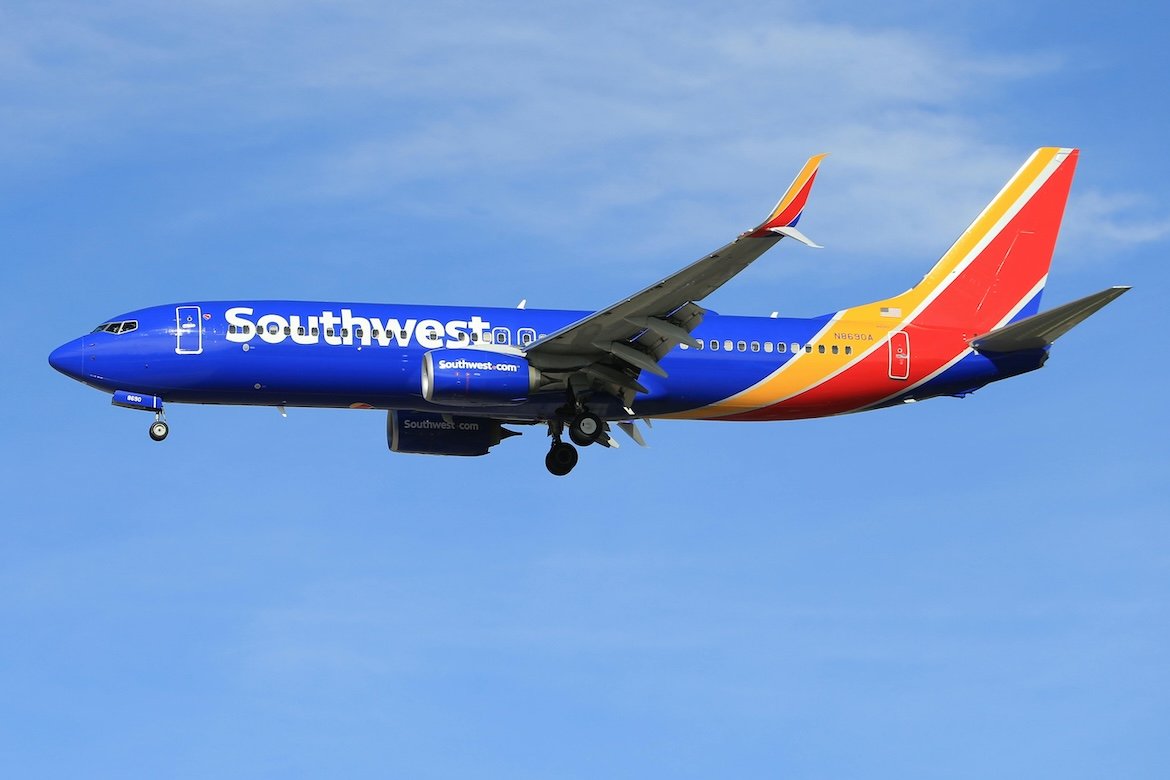
Southwest Airlines delivered an upbeat message to investors in its fourth-quarter earnings call, pointing to a combination of operational, commercial, and structural changes that are beginning to improve financial performance. The carrier reported a notable profit rebound in the quarter and said it expects the benefits of its strategy overhaul to build through 2026.
Executives described the period as a turning point for the airline after several challenging years marked by rising costs, operational disruptions, and uneven demand recovery. While management acknowledged that transformation efforts are still underway, confidence was high that the company is now on a more durable earnings trajectory.
Why Southwest is changing its playbook
Management said the financial improvement reflects a broad reassessment of how the airline operates and competes. Key initiatives include tighter cost discipline, more flexible scheduling, and changes to fare structures designed to better capture demand across different customer segments.
Southwest has also been refining its network and capacity deployment, focusing on routes with stronger yield potential while reducing exposure to underperforming markets. As previously covered, U.S. airlines have increasingly shifted toward profitability-focused growth rather than pure capacity expansion, a trend Southwest is now embracing more explicitly.
On the revenue side, the company highlighted progress in ancillary offerings and loyalty engagement, areas that historically played a smaller role in its business model. Executives said these adjustments are helping narrow the gap with rivals that generate a higher share of revenue beyond ticket sales.
What the outlook means for investors
The tone of the earnings call contrasted sharply with more cautious commentary from earlier quarters. Management said the combined impact of pricing discipline, operational efficiency, and improved demand visibility is expected to support stronger margins and cash generation in 2026.
For investors, the renewed optimism suggests Southwest may be closing the performance gap with other major U.S. carriers that have already restored profitability. Analysts noted that while execution risks remain, the airline’s balance sheet strength and brand loyalty provide a solid foundation for the turnaround.
The company also indicated that capital allocation priorities are shifting toward strengthening long-term competitiveness rather than simply managing short-term volatility. That includes continued investment in fleet efficiency and technology, alongside a focus on maintaining financial flexibility.
More broadly, Southwest’s results add to evidence that the U.S. airline sector is entering a more stable phase after years of disruption. While fuel costs, labor expenses, and economic uncertainty remain key variables, management’s confidence suggests the worst of the post-pandemic adjustment may be over.
Looking ahead, investors will be watching whether Southwest can sustain momentum as industry capacity grows and competitive pressures intensify. If the outlined changes continue to translate into earnings growth, the airline’s fourth-quarter performance could mark the beginning of a longer-term recovery.