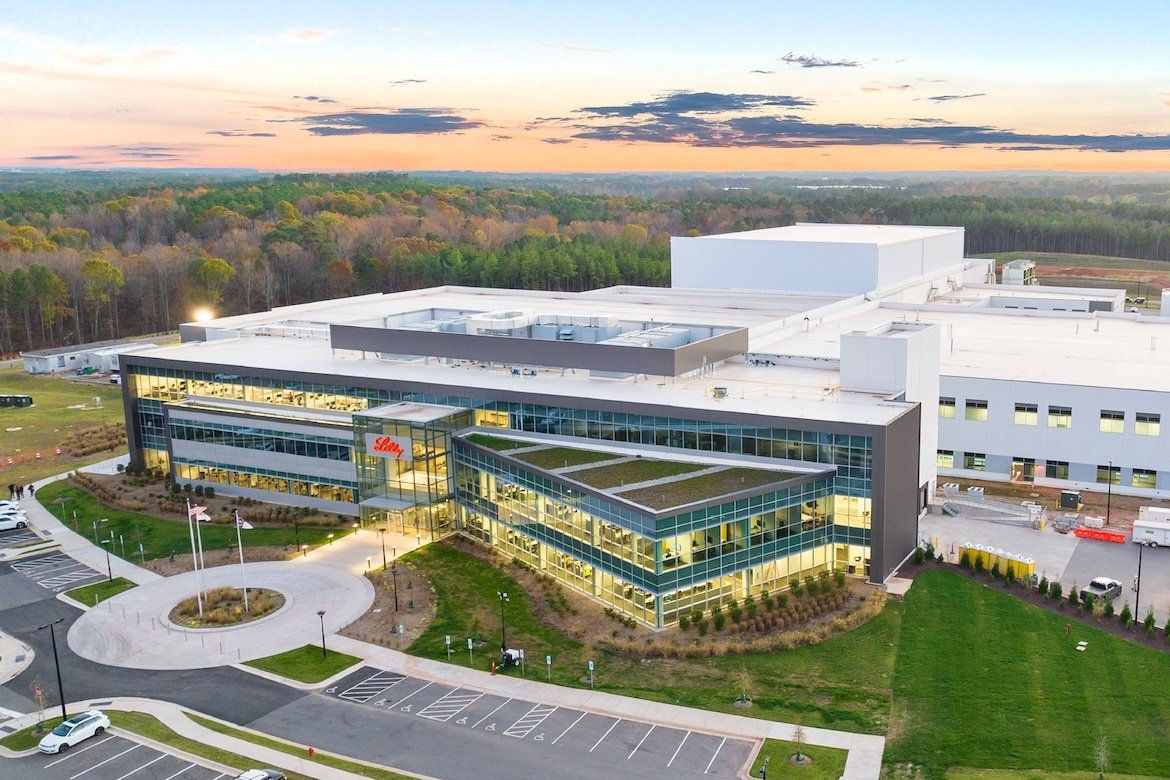
Eli Lilly has agreed to pay up to $2.75 billion to Insilico Medicine to advance and commercialize drugs developed using artificial intelligence. The agreement includes an upfront payment of $115 million, with additional milestone payments tied to regulatory approvals and future sales performance. The partnership marks a significant step in bringing AI-designed therapies from development into global markets.
AI-Driven Drug Discovery Gains Traction
Insilico Medicine has been working with Eli Lilly since 2023 and has already developed at least 28 drug candidates using AI technologies.
Roughly half of these candidates are currently undergoing clinical trials, highlighting the accelerating pace of AI-driven pharmaceutical innovation.
The use of artificial intelligence allows researchers to significantly reduce the time and cost associated with traditional drug discovery processes. As previously covered, major pharmaceutical companies are increasingly turning to AI to improve efficiency, identify new compounds, and streamline clinical development. The collaboration reflects a broader industry shift toward integrating machine learning into core research and development pipelines.
Implications for Pharma and Investors
The deal underscores growing confidence in AI as a transformative force within the pharmaceutical industry. For Eli Lilly, the partnership provides access to a pipeline of potentially high-value treatments without bearing the full cost of early-stage research.
For Insilico Medicine, the agreement validates its AI platform and opens the door to substantial long-term revenue through milestone payments and royalties.
Investors are closely watching such partnerships as indicators of how quickly AI can translate into commercial success in healthcare. However, risks remain, including regulatory hurdles, clinical trial outcomes, and the uncertainty surrounding long-term efficacy of AI-developed therapies. Still, the scale of the agreement highlights how competition among pharmaceutical giants is intensifying, particularly in the race to leverage AI for breakthrough treatments.
As AI continues to reshape the biotech landscape, deals like this may become increasingly common, signaling a new era of innovation in drug development.