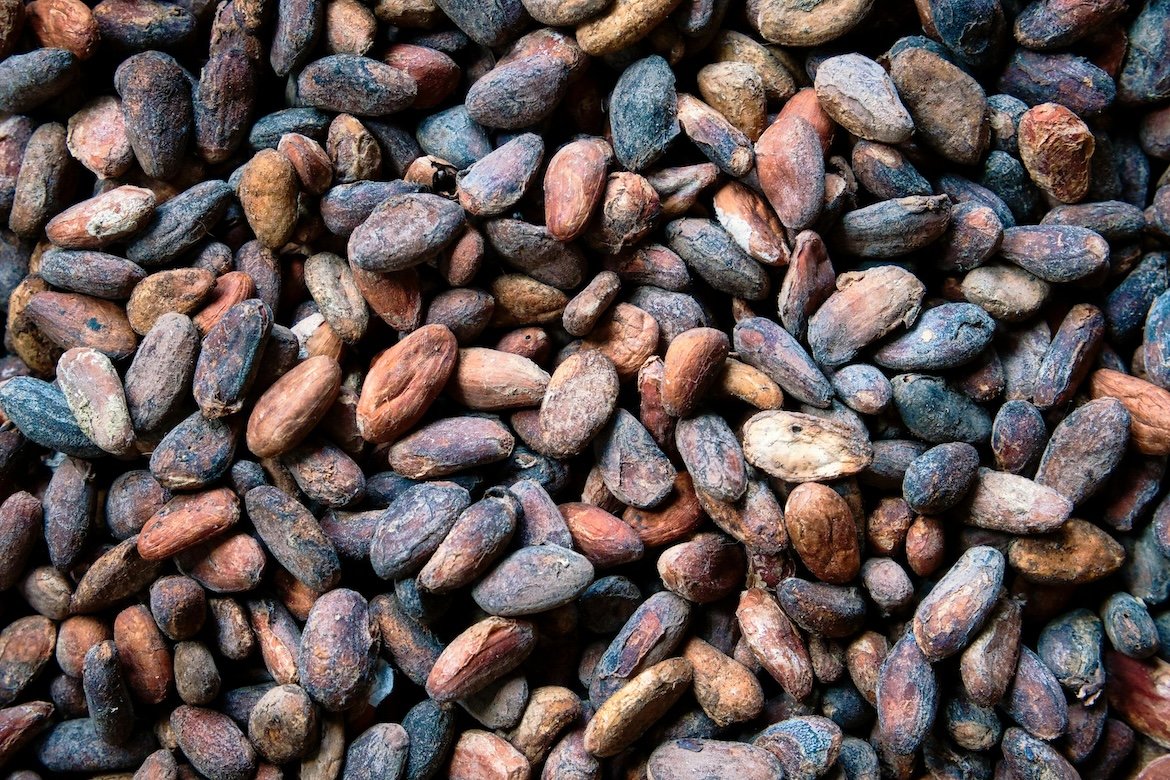
Cocoa prices have fallen sharply after reaching historic highs, dropping from around $12,100 in 2025 to approximately $5,800, a decline of nearly 60% over the year. The selloff has accelerated into 2026, with prices falling another 50% to around $2,900, marking one of the steepest reversals in recent commodity market history.
The correction follows a dramatic rally that pushed cocoa prices to nearly $14,000 per tonne in December 2024, driven by supply shortages and strong global demand.
From Historic Rally to Rapid Collapse
The earlier surge in cocoa prices was fueled by supply disruptions in key producing regions, particularly in West Africa, where weather conditions and crop disease impacted output.
As previously covered, tight supply and rising demand from the global chocolate industry pushed prices to unprecedented levels, attracting speculative inflows into the market. However, as supply conditions began to stabilize and demand growth moderated, prices reversed sharply, triggering a wave of selling.
The magnitude of the decline reflects how quickly sentiment can shift in commodity markets once supply constraints ease.
Implications for Commodities and Investors
The collapse in cocoa prices highlights the extreme volatility often seen in agricultural commodities, where prices can swing rapidly based on weather, production cycles, and global demand trends.
For investors, the sharp correction underscores the risks of entering markets at peak levels, particularly during periods of speculative momentum. At the same time, lower prices may provide relief for manufacturers and consumers, potentially stabilizing costs across the food industry. Analysts note that while short-term volatility remains high, long-term demand for cocoa is still supported by global consumption trends. The recent price collapse serves as a reminder that commodity cycles can reverse quickly, especially after periods of historic highs.