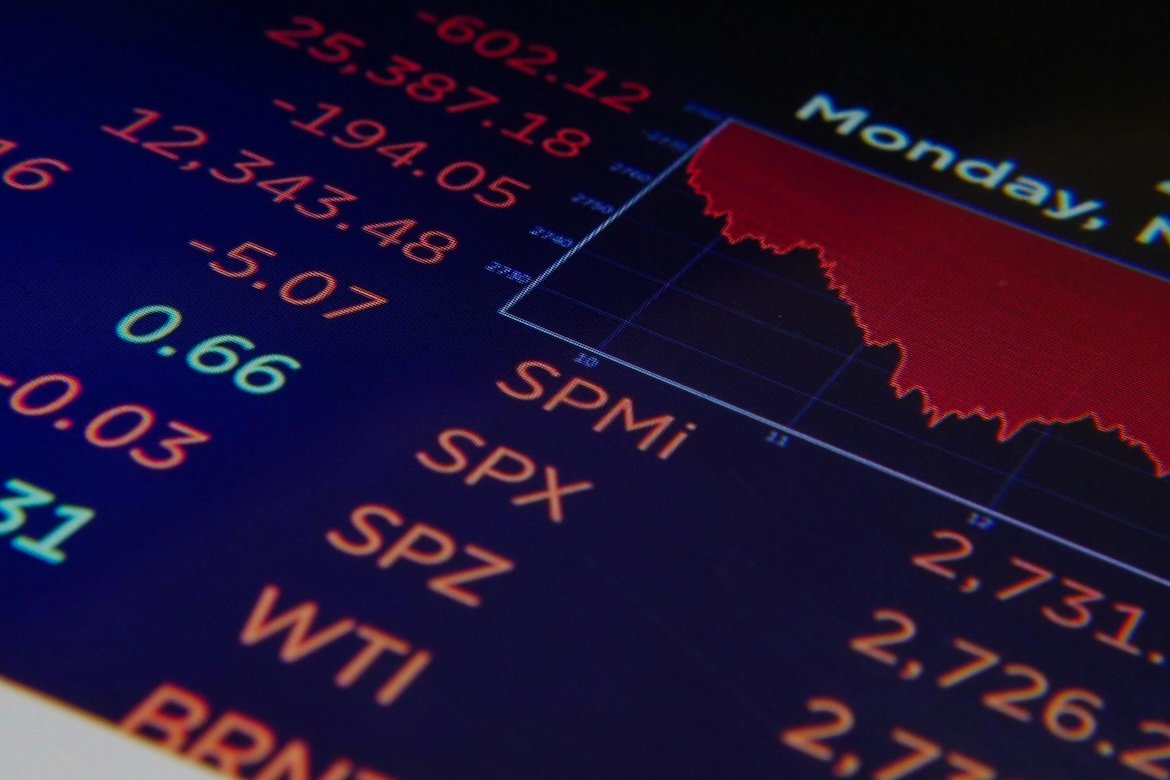
The cryptocurrency market has entered a sharp downturn, with bitcoin falling below $75,000 and roughly $700 billion wiped out in two weeks. Selling pressure is spreading across commodities, equities, and digital assets, fueling fears of deeper losses.
By David Sinclair | Edited by Oleg Petrenko
Published:
Updated:
The cryptocurrency market has slid into a sharp downturn, with bitcoin dropping below $75,000 and about $700 billion erased in just two weeks. The selloff is spilling over into commodities, equities, and other digital assets, raising concerns about further losses ahead. Photo: Jonathan Borba / Pexels
The cryptocurrency market is undergoing a steep selloff, with Bitcoin sliding below $75,000 and extending losses to its lowest level since April 2025. Over the past two weeks alone, an estimated $700 billion has evaporated from the total crypto market, underscoring a rapid deterioration in investor sentiment.
The decline has not been confined to digital assets. Pressure has intensified across multiple asset classes, signaling a broader risk-off environment. Bitcoin’s drop has coincided with sharp losses in commodities, equities, and alternative assets, amplifying concerns that markets are entering a period of sustained instability.
On European trading venues, bitcoin briefly fell below €64,000 on Coinbase, highlighting the global scale of the selloff.
Why selling pressure is spreading
Analysts point to tightening financial conditions, extreme positioning, and cascading liquidations as key drivers behind the current downturn. As previously covered, periods of elevated leverage tend to produce synchronized selloffs once prices begin to slide, dragging down assets that previously moved independently.
The breadth of recent losses is striking. Over the latest stretch, natural gas has dropped about 15.5%, Ethereum is down roughly 10.5%, silver has fallen 8.0%, gold 5.5%, and bitcoin itself about 5.5%. Oil prices, measured by WTI crude, have declined 4.5%, while major equity indices have also moved lower, with the Nasdaq 100 down 1.5% and the S&P 500 off 1.2%.
Market commentary has turned increasingly cautious. Television personality Jim Cramer said earlier this week that at around $77,000 he expected buyers to step in aggressively and push bitcoin back toward $82,000. Instead, prices continued to fall, suggesting that dip-buying appetite may be weakening.
What markets are signaling next
Analysts say the current environment is marked by historically high volatility, particularly in commodity markets, where price swings are feeding back into broader risk sentiment. Crypto markets, often the most sensitive to shifts in liquidity, have borne the brunt of the adjustment.
Prediction markets are reflecting growing pessimism. On Polymarket, traders currently assign a higher probability to bitcoin falling below $45,000 than rebounding to $120,000, a notable reversal from bullish expectations seen earlier in the year.
For investors, the synchronized decline across assets suggests that diversification benefits are temporarily breaking down. When commodities, equities, and crypto sell off together, it often reflects forced deleveraging rather than asset-specific fundamentals.
Looking ahead, analysts warn that volatility is likely to remain elevated as markets search for a new equilibrium. Bitcoin’s ability to stabilize above key technical levels will be closely watched, as a failure to do so could trigger further liquidations.
While long-term adoption narratives around crypto remain intact, the near-term outlook has become increasingly fragile. The past two weeks have demonstrated how quickly confidence can unwind and how digital assets remain deeply exposed to shifts in global risk appetite.
The precious metals market suffered an unprecedented selloff as gold and silver lost more than $10 trillion in market value in a single day. Extreme volatility pushed gold below $4,400 per ounce and forced Thailand to temporarily halt gold futures trading.
By Nathan Cole | Edited by Oleg Petrenko
Published:
Updated:
The precious metals market was hit by an unprecedented selloff, with gold and silver shedding more than $10 trillion in market value in a single day. Violent volatility drove gold below $4,400 per ounce and prompted Thailand to temporarily suspend gold futures trading. Photo: Kindel Media / Pexels
The global precious metals market experienced one of the most violent selloffs in history, with gold and silver losing a combined $4.02 trillion in market capitalization in a single trading day, according to analysts. The collapse extended a brutal three-day stretch that has already wiped more than $10 trillion from the sector, underscoring the scale of the shock hitting what are traditionally considered safe-haven assets.
Gold prices fell sharply below $4,400 per ounce, while silver dropped under $71.5, breaching multiple technical support levels in rapid succession. The selloff intensified as liquidity thinned and volatility surged across futures and spot markets worldwide.
Spot gold was hit particularly hard, sliding below $4,400 per ounce for the first time since January 9 and closing the day down 7.9%, one of its steepest daily declines on record.
What triggered the historic collapse
Analysts point to a combination of forced liquidations, extreme leverage, and crowded positioning following months of relentless gains in precious metals. As previously covered, gold and silver had surged to record levels amid currency weakness, central bank buying, and strong speculative inflows, leaving markets highly vulnerable to abrupt reversals.
Once prices broke below key thresholds, margin calls and algorithmic selling accelerated the decline. Futures markets amplified the move as traders rushed to reduce exposure, while physical markets struggled to absorb the sudden wave of selling pressure.
Silver’s losses were compounded by its higher volatility and thinner liquidity compared with gold. The metal’s dual role as both an industrial input and a monetary asset made it especially sensitive to shifts in risk sentiment, exacerbating intraday swings.
Market fallout and emergency measures
The scale of the volatility prompted intervention in some markets. In Thailand, authorities temporarily suspended online trading of gold futures on the Thailand Futures Exchange (TFEX) as price swings reached destabilizing levels. The move highlighted growing concerns about orderly market functioning amid unprecedented turbulence.
For investors, the episode has shattered assumptions about the stability of precious metals during periods of stress. While gold and silver are often viewed as defensive assets, the past three days have shown that extreme positioning and leverage can turn even safe havens into sources of systemic risk.
The combined $10 trillion loss over three days rivals some of the largest market drawdowns in modern financial history, placing the precious metals rout alongside major equity and credit crises in terms of scale.
Looking ahead, analysts expect volatility to remain elevated as markets attempt to find a new equilibrium. Attention will focus on futures positioning, margin requirements, and whether physical demand can re-emerge at lower price levels.
While long-term demand drivers such as reserve diversification and inflation hedging remain intact, the current episode serves as a stark reminder that no asset is immune to violent repricing when market structure breaks down. Analysts say this collapse will likely be studied for years as a case study in how rapidly sentiment and liquidity can reverse — even in the oldest markets in the world.
Join our list to receive latest Blockchain, Crypto & Fintech news:
WordPress database error: [Table 'u752143311_Kem9N.wp_coingecko_coins' doesn't exist]
            SELECT coins.*, meta.post_id as post_id
            FROM `wp_coingecko_coins` coins
            INNER JOIN wp_postmeta meta ON (meta.meta_key = 'wpcf-coin-main-tag' AND meta.meta_value = coins.slug )
            ORDER BY market_cap_usd
            DESC LIMIT 9